
Grooming Audit Checklist
Check off the habits you currently maintain. Identify blind spots to achieve a sharper look.
Excellent!
You are avoiding the most common grooming mistakes. Keep up this consistency—it builds confidence and respect.
Good Start!
You have the basics down. Review the unchecked items above—they are often the easiest quick fixes for an immediate upgrade in appearance.
Time for a Tune-Up
Several key areas need attention. Pick one unchecked habit to focus on this week. Small changes compound over time.
Ready to Begin?
Grooming is about self-respect. Start by checking off just one area today. Consistency beats complexity every time.
You look in the mirror, fix your hair, maybe splash some water on your face, and head out the door. You think you're ready. But later that day, someone mentions your shirt has a stain, or you realize your breath isn't exactly fresh. Sound familiar? Most of us run on autopilot when it comes to personal grooming. We stick to habits we picked up years ago, even if they aren't working anymore. The truth is, small grooming mistakes can make you look tired, sloppy, or older than you are. And the worst part? They’re usually easy to fix.
This isn't about becoming a high-maintenance perfectionist. It’s about spotting the blind spots that hold you back. Whether you’re trying to impress at work, date more effectively, or just feel better in your own skin, avoiding these common pitfalls makes a huge difference. Let’s break down the most frequent errors people make and how to correct them without overhauling your entire life.
The Myth of "Less Is More" with Fragrance
Here’s a hard truth: if people can smell you from across the room, you’ve made a mistake. Many men and women believe that applying more cologne or perfume equals a stronger presence. Actually, it often signals insecurity or a lack of self-awareness. Scent should be discovered, not announced.
When you spray fragrance, aim for two spots max-usually the wrists or behind the ears. Why there? Because these are pulse points where body heat helps diffuse the scent gently throughout the day. Spraying your chest or neck directly can overwhelm your own olfactory senses, leading you to apply too much because you stop smelling it yourself after ten minutes. This phenomenon is called olfactory fatigue. Your nose gets used to the smell, but everyone else’s doesn’t.
Also, consider the context. A heavy oud or musk might work for a night out, but it can be suffocating in a small office elevator. Switch to lighter citrus or aquatic notes for daytime wear. If you’re unsure, ask a trusted friend or partner to give you an honest rating. If they wince, cut the amount in half.
Neglecting the Details: Nose, Ears, and Eyebrows
We spend hours styling our hair and picking the right outfit, yet we ignore the tiny hairs that stick out where they shouldn’t. Untrimmed nose and ear hair are immediate turn-offs. They signal a lack of attention to detail. You don’t need to pluck everything, but keeping stray hairs under control is basic hygiene.
Invest in a quality trimmer specifically designed for facial hair removal. These tools have rounded blades that prevent nicks and cuts inside sensitive areas like the nostrils and ear canals. Do this once a week while showering. It takes two minutes and saves you from awkward moments when someone leans in close.
Eyebrows are another common trouble spot. Over-plucking creates thin, unnatural arches that age you instantly. Instead, focus on tidying up only the obvious strays between your brows (the unibrow area) and below the main line. Leave the top alone unless you have significant excess hair. A well-groomed brow frames your face; a shaved-off one looks like a mistake from the 1990s.
Skincare Isn't Just for Women
Many guys still wash their faces with bar soap and call it a day. That’s a recipe for dry, irritated skin. Bar soap strips natural oils, leaving your face tight and vulnerable to premature aging. If you want healthy skin, you need a routine that actually respects your skin barrier.
A simple three-step system works for almost everyone:
- Cleanser: Use a gentle, pH-balanced facial cleanser morning and night. Avoid anything with harsh fragrances or alcohol.
- Moisturizer: Hydration keeps skin looking plump and reduces fine lines. Even oily skin needs moisture; otherwise, it produces more oil to compensate.
- Sunscreen: Sun damage is the number one cause of visible aging. Apply SPF 30 or higher every morning, regardless of the weather.
If you have specific issues like acne or hyperpigmentation, add targeted treatments like salicylic acid or vitamin C serums. But start with the basics first. Consistency beats complexity every time.
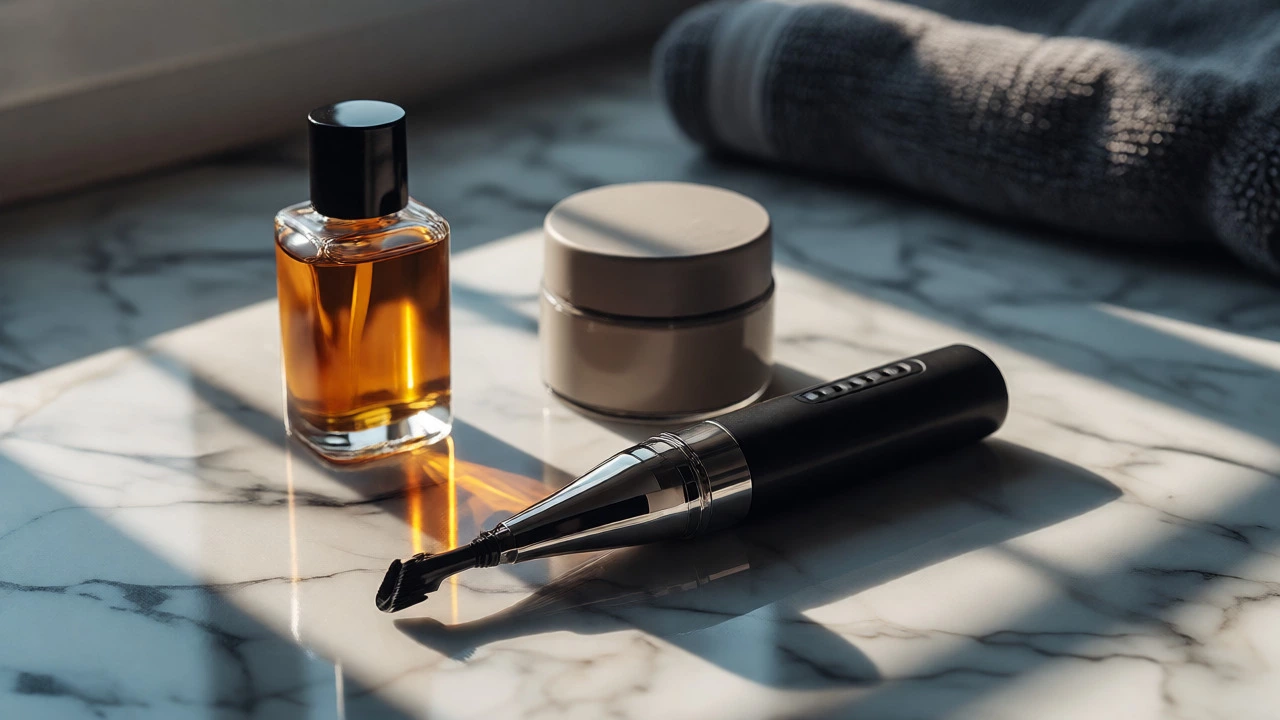
Beard Care: Beyond Just Growing It Out
Letting your beard grow wild isn’t always rugged; sometimes it just looks messy. A unkempt beard can hide your jawline and make you look disheveled. The key to a great beard is maintenance, not just growth.
First, keep the neckline sharp. Imagine a curved line from one earlobe to the other, passing just above your Adam's apple. Everything below that line should be shaved clean. A fuzzy neck beard adds visual weight to your face and makes your chin look smaller.
Second, hydrate the hair. Facial hair pulls moisture away from the skin underneath, leading to itchiness and dandruff (beardruff). Use a dedicated beard oil daily. Apply a few drops to damp hair and massage it into the skin. This softens the coarse hairs and prevents flaking. If your beard is long, comb it weekly to remove tangles and distribute natural oils evenly.
Oral Hygiene Goes Beyond Brushing
You brush twice a day, so you’re good, right? Not quite. Brushing misses about 40% of tooth surfaces, especially between teeth where plaque loves to hide. Flossing is non-negotiable if you want fresh breath and white teeth. Plaque buildup leads to gum disease, which causes bad breath no matter how much mouthwash you use.
Try flossing before you brush. This loosens debris so your toothbrush can wash it away more effectively. Also, don’t forget your tongue. Bacteria thrive on the rough surface of your tongue, contributing significantly to halitosis. Use a tongue scraper or your toothbrush to clean it gently every morning.
If you drink coffee, tea, or red wine regularly, these beverages stain enamel over time. Rinsing your mouth with water after consuming them can help minimize discoloration. For deeper cleaning, consider using an electric toothbrush with a pressure sensor. It ensures you’re brushing thoroughly without damaging your gums by pressing too hard.

Shaving Errors That Cause Irritation
Razor burn, ingrown hairs, and cuts are often the result of poor technique rather than bad products. Shaving against the grain might give you a closer shave, but it drastically increases irritation risk, especially for those with curly hair.
Always shave with the grain (in the direction hair grows) for the first pass. If you need a closer shave, re-lather and go across the grain. Reserve shaving against the grain for final touches on less sensitive areas. Never drag a dull blade across your skin. Replace disposable razor blades every 5-7 shaves. A dull blade tugs at hair instead of cutting it cleanly, causing inflammation.
Preparation matters too. Shave after a hot shower when your pores are open and hair is softened. Use a quality shaving cream or gel, not cheap aerosol foam that contains drying propellants. Finish with an alcohol-free aftershave balm containing soothing ingredients like aloe vera or chamomile to calm the skin.
| Issue | Common Cause | Immediate Solution |
|---|---|---|
| Bad Breath | Tongue bacteria, food particles | Use tongue scraper, floss daily |
| Dry/Flaky Skin | Harsh soap, lack of moisturizer | Switch to gentle cleanser, apply moisturizer immediately after washing |
| Unkempt Beard | No neckline definition, dry hair | Trim neckline, apply beard oil |
| Razor Burn | Dull blade, shaving against grain | Replace blade, shave with grain, use cooling balm |
| Overpowering Scent | Olfactory fatigue, wrong concentration | Reduce sprays, switch to lighter notes |
Hair Care: Washing Frequency Matters
How often you wash your hair depends entirely on your hair type. Washing daily can strip natural oils from thick, curly hair, leaving it frizzy and brittle. Conversely, skipping washes for weeks with fine, straight hair leads to greasy roots and flat volume.
Fine hair typically needs washing every 1-2 days. Thick or curly hair benefits from washing 2-3 times a week. Between washes, use dry shampoo to absorb excess oil at the roots. It’s a lifesaver for extending the life of your style. When you do wash, focus shampoo on the scalp, not the ends. Conditioner goes on the mid-lengths and ends, never the roots, to avoid weighing hair down.
Heat styling tools like blow dryers and straighteners cause cumulative damage. Always use a heat protectant spray before applying heat. Keep your dryer on medium heat rather than high to reduce stress on hair strands. Regular trims every 6-8 weeks prevent split ends from traveling up the shaft, keeping your hair looking healthier longer.
Final Thoughts on Building Better Habits
Grooming isn’t about vanity; it’s about respect-for yourself and the people around you. You don’t need expensive products or complicated routines. Start by fixing one mistake at a time. Maybe this week you commit to flossing. Next week, you adjust your fragrance application. Small changes compound over time.
Pay attention to how people react when you tweak your routine. Notice if colleagues stand closer during conversations or if compliments increase. Feedback is data. Use it to refine your approach. Remember, consistency is key. Doing the basics well every day beats doing fancy treatments sporadically. Take pride in your appearance, not because you need validation, but because feeling put-together boosts confidence naturally.
How often should I replace my razor blade?
You should replace disposable razor blades every 5 to 7 shaves. Dull blades tug at hair and cause irritation. If you notice pulling or increased friction, change it immediately, regardless of the count.
Is it okay to use body lotion on my face?
Generally, no. Body lotions are often thicker and contain fragrances or ingredients that can clog facial pores, leading to breakouts. Facial skin is more delicate and requires lighter, non-comedogenic moisturizers specifically formulated for the face.
What is the best way to handle ingrown hairs?
Exfoliate the area gently 2-3 times a week to remove dead skin cells that trap hair. Use a warm compress to soften the skin and help the hair emerge. Avoid picking at it with dirty fingers, as this can lead to infection and scarring.
Do I really need sunscreen if I stay indoors?
Yes, if you sit near windows. UVA rays, which cause aging, penetrate glass. Daily sunscreen protects against incidental sun exposure and blue light from screens, helping prevent premature wrinkles and dark spots.
How can I tell if I'm wearing too much cologne?
If you can smell it strongly within the first hour, you likely applied too much. Ideally, others should only detect your scent when they are within arm's reach. Ask a friend for an honest opinion, as your nose adapts quickly to the scent.