
Low Testosterone Symptom Checker
This tool helps you recognize if your symptoms might be related to low testosterone. Based on your responses, you'll receive personalized recommendations and guidance on next steps.
Check the symptoms you're experiencing:
Your Results
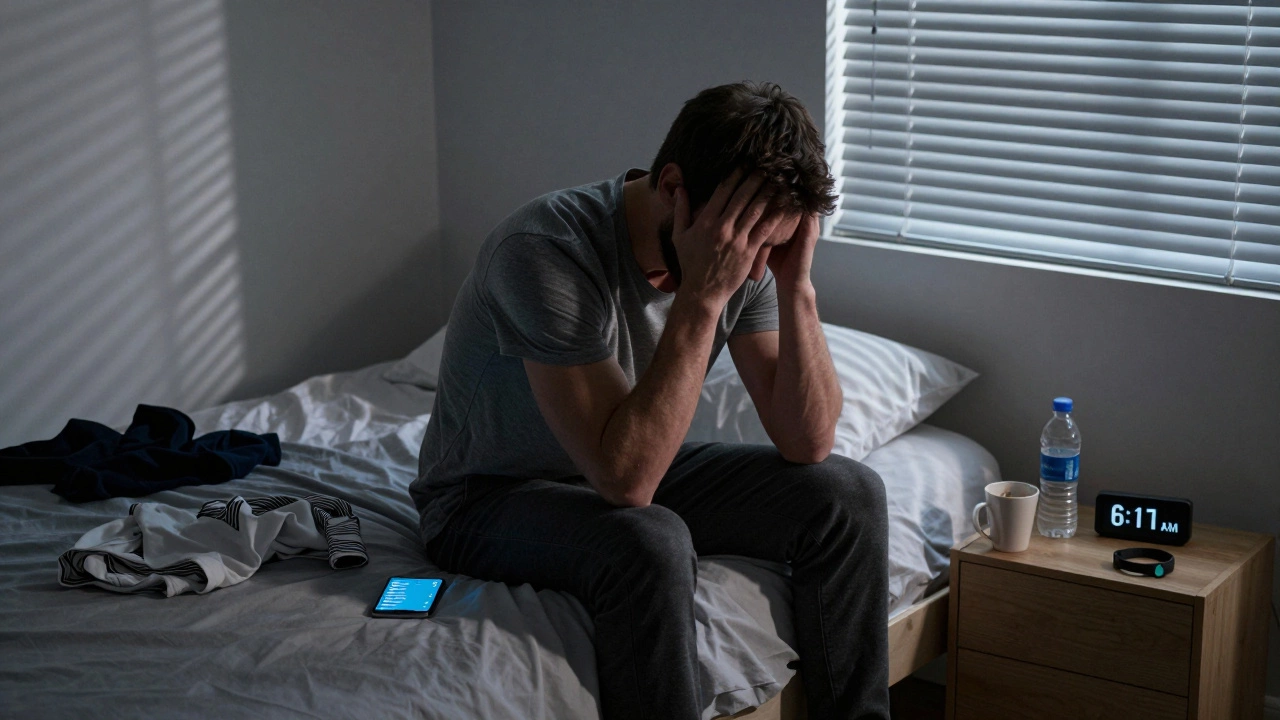
Men often ignore the quiet changes in their bodies-until they can’t. You’re tired all the time, even after a full night’s sleep. Your libido has dropped so much you’ve stopped initiating sex. You’ve gained weight around the middle, even though you’re eating the same way. You feel irritable, foggy, or just… off. It’s not aging. It’s not stress. It might be low testosterone.
What low testosterone really looks like
Testosterone isn’t just about muscle or sex drive. It’s the engine behind energy, mood, metabolism, bone strength, and even how you think. When levels drop below normal-usually below 300 ng/dL, according to the British Society for Sexual Medicine-you start noticing subtle shifts long before blood tests confirm it.
Early signs don’t scream "hormone problem." They whisper. You might think you’re just getting older, working too hard, or depressed. But these symptoms cluster together in a pattern:
- Constant fatigue-even small tasks feel exhausting
- Reduced sex drive or trouble getting/maintaining erections
- Loss of morning erections (a key early marker)
- Increased body fat, especially around the abdomen
- Muscle loss despite regular exercise
- Mood swings, irritability, or feelings of sadness without clear cause
- Difficulty concentrating or brain fog
- Decreased body hair or thinning facial hair
These aren’t random. A 2023 study in The Journal of Clinical Endocrinology & Metabolism tracked over 1,200 men aged 35-60 and found that those with testosterone levels under 350 ng/dL were 3.5 times more likely to report all of the above symptoms together-compared to men with levels above 500 ng/dL.
Why it happens (beyond just getting older)
Testosterone naturally declines about 1% per year after age 30. But that’s not the whole story. Many men in their 30s and 40s have levels way below what’s normal for their age-not because of aging, but because of lifestyle.
Obesity is the biggest hidden cause. Fat cells convert testosterone into estrogen, lowering your levels further. Chronic stress raises cortisol, which directly suppresses testosterone production. Poor sleep-especially under 6 hours a night-can drop testosterone by 15% in just one week, according to research from the University of Chicago.
Other culprits:
- Regular alcohol use (even 3-4 drinks a week)
- Too much sitting (sedentary jobs or commuting)
- Exposure to endocrine disruptors (plastic containers, certain cosmetics, pesticides)
- Chronic illnesses like type 2 diabetes or high blood pressure
It’s not just about age. It’s about how you live.
What to do-before you reach for a prescription
Before you jump to testosterone replacement therapy (TRT), try fixing the root causes. Many men see big improvements-sometimes normalizing levels-without medication.
1. Lose body fat
Every 10 pounds of fat lost can raise testosterone by 10-20%. Focus on protein, healthy fats, and fiber. Cut sugary drinks, processed snacks, and refined carbs. You don’t need to starve yourself-just eat real food. A 2024 trial in Leeds found that men who swapped out ultra-processed foods for whole foods saw an average 22% increase in testosterone over 12 weeks, even without weightlifting.
2. Lift heavy, not just long
Cardio is good for your heart, but strength training-especially compound lifts like squats, deadlifts, and push presses-is the best natural testosterone booster. Three 45-minute sessions a week, lifting weights at 75-85% of your max, can increase testosterone for up to 48 hours after each workout. Don’t do endless reps. Lift heavy. Rest. Repeat.
3. Sleep like your hormones depend on it
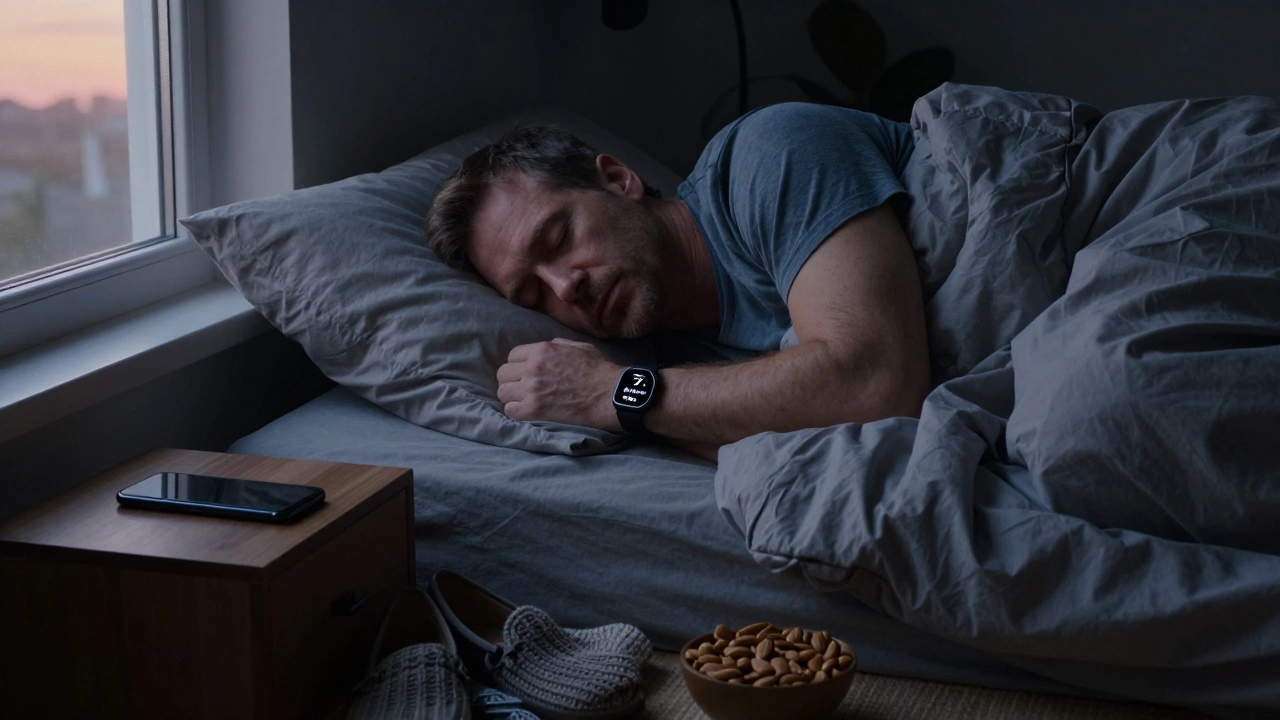
They do. Aim for 7-9 hours. Keep your room cool (around 18°C), dark, and screen-free for at least an hour before bed. Blue light from phones suppresses melatonin, which disrupts your body’s natural hormone rhythm. One man I spoke to in Bradford-42, office worker, slept 5 hours a night-saw his testosterone jump from 280 to 490 ng/dL after just 6 weeks of consistent 7-hour sleep.
4. Reduce stress
Chronic stress = high cortisol = low testosterone. Try daily breathing exercises (5 minutes of box breathing: inhale 4 sec, hold 4, exhale 4, hold 4). Walk outside without your phone. Play music. Laugh. These aren’t fluff-they’re biological regulators.

When to see a doctor
If you’ve tried lifestyle changes for 3-4 months and still feel the same, it’s time for a blood test. Don’t wait until you’re in crisis. Ask for a full hormone panel: total testosterone, free testosterone, SHBG, estradiol, LH, FSH, and prolactin.
Timing matters. Testosterone peaks in the morning, so get tested between 7-10 a.m. on an empty stomach. One bad test doesn’t mean you have low T. Repeat it if results are borderline.
If levels are confirmed low and symptoms are affecting your life, treatment options exist:
- Topical gels (applied daily to skin)
- Injections (every 1-2 weeks)
- Pellets (inserted under the skin every 3-6 months)
Each has pros and cons. Gels are easy but can transfer to partners. Injections work fast but cause mood swings between doses. Pellets are low-maintenance but require a minor procedure. Your doctor should help you choose based on your lifestyle, not just cost.
Never buy testosterone online. It’s illegal in the UK, unregulated, and dangerous. Fake products can damage your liver, shut down natural production, or cause heart problems.
What doesn’t work
There’s a lot of noise out there. Supplements like D-aspartic acid, fenugreek, or “testosterone boosters” from the gym store? Most have no real evidence. A 2025 meta-analysis of 32 studies found that none of these supplements consistently raised testosterone in healthy men. Some might help slightly if you’re severely deficient in zinc or vitamin D-but if you’re eating well, you’re probably fine.
And no, cold showers won’t fix it. Neither will pine pollen. Don’t waste your money.
What to expect after treatment
If you start TRT, don’t expect instant magic. Energy improves in 2-4 weeks. Libido and erections usually bounce back in 6-8 weeks. Muscle mass and fat loss take 3-6 months. Mood stabilizes over time.
But here’s the catch: TRT doesn’t fix your lifestyle. If you keep sleeping poorly, eating junk, and sitting all day, your body will still struggle. Treatment works best when paired with real change.
Many men report feeling like they’ve gotten their 20s back-not because of a pill, but because they finally took their health seriously.
It’s not weakness. It’s biology.
Men are taught to push through fatigue, ignore mood changes, and tough out low sex drive. But ignoring low testosterone isn’t strength. It’s self-neglect.
This isn’t about vanity. It’s about living fully-having energy to play with your kids, staying sharp at work, feeling like yourself again. Low T is common. It’s treatable. And it’s not something you have to accept as part of getting older.
Start with sleep. Move your body. Eat real food. See a doctor if it doesn’t improve. Your future self will thank you.
Can low testosterone cause depression?
Yes. Low testosterone is strongly linked to low mood, lack of motivation, and symptoms that mimic depression-even when no psychological trigger is present. Many men on testosterone therapy report improved mood and emotional resilience within weeks, not because they’re "happier," but because their brain chemistry is returning to balance.
Is low testosterone only a problem for older men?
No. While levels naturally decline with age, men in their 20s and 30s can have low testosterone due to obesity, chronic stress, poor sleep, or illness. I’ve seen men as young as 28 with levels in the 200s ng/dL-symptoms included fatigue, brain fog, and low libido. Age isn’t the only factor.
Can I test my testosterone at home?
Home test kits are available, but they’re unreliable. They measure total testosterone only and don’t account for SHBG, free testosterone, or other hormones that affect how your body uses it. A blood test at a clinic with a full panel is the only accurate way to know your status.
Does testosterone therapy make you more aggressive?
No, that’s a myth. In fact, most men report feeling calmer and more emotionally stable after starting treatment. Aggression is linked to low testosterone, not high. When levels are too low, irritability increases. Normalizing levels often reduces mood swings, not causes them.
Will testosterone therapy shrink my testicles?
Yes, temporarily. When you add external testosterone, your body stops making its own. This can cause testicular shrinkage. It’s not dangerous, but it’s reversible. Stopping TRT usually brings natural production back, though it can take months. Some men use HCG alongside TRT to maintain testicular size-talk to your doctor if this concerns you.
How long does it take to feel better after starting treatment?
Energy and mood often improve in 2-4 weeks. Sexual desire and erections usually return in 6-8 weeks. Muscle gain and fat loss take 3-6 months. Full benefits can take up to a year. Patience and consistency matter more than speed.