Professional Attire Advisor
Define Your Situation
Your Recommended Look
Core Wardrobe Items
Critical Advice
The Silent Signal Your Clothes Send
You walk into a meeting, ready to present your ideas. Before you speak a single word, everyone already has a mental image of your competence. It sounds harsh, but research consistently shows that first impressionsjudgments made within seconds of meeting someone shape how people treat you afterward. You might think your resume and portfolio do the heavy lifting, but your clothing creates the frame through which they are viewed. When you get dressed for work, you are curating how you want the world to interact with you.
In Leeds, where the business landscape shifts from traditional finance on the Square to creative agencies in the cultural quarter, understanding these signals is vital. If you want to reach leadership positions or close deals, your wardrobe acts as a tool kit. Ignoring the visual component of your career is like showing up to a coding interview with a calculator in your pocket-useful, but wrong context.
Defining the Modern Professional Standard
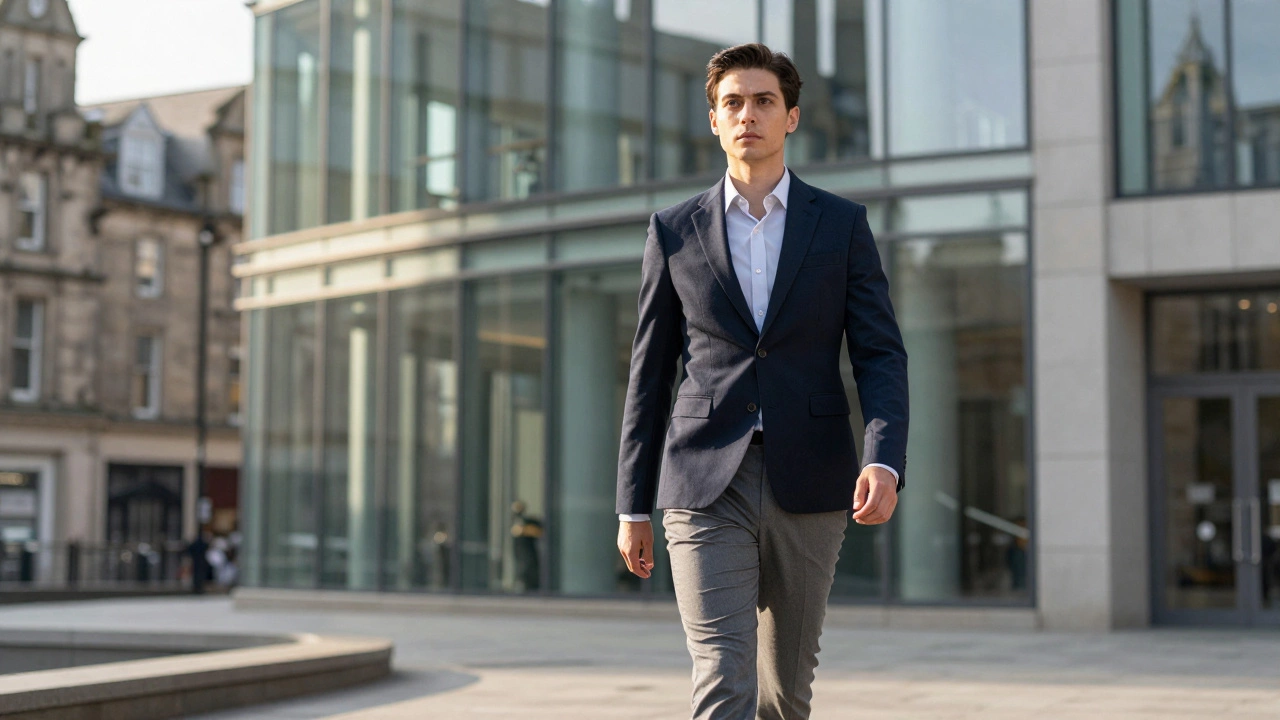
We need to move past outdated notions of stiff suits and neckties being the only path to power. While certain industries still cling to formality, the definition of Professional Dressclothing selected to convey authority and respect in a work setting has evolved. The shift toward remote work has changed the baseline, yet the expectation for high-stakes moments remains unchanged.
You must identify your company's actual standard versus its written policy. In tech hubs, a hoodie might fly, but walking into a bank boardroom in one creates distance. Conversely, wearing a three-piece suit to a startup pitch meeting makes you look out of touch with their agile culture. The goal is alignment. You want your attire to match the expectations of the room so your clothes fade into the background, leaving your expertise to take center stage.
To nail this, observe the decision-makers. What do the senior partners wear on Fridays? Do they change when clients visit? These nuances tell you more than any HR handbook regarding the unwritten social contract of your organization. Align your wardrobe slightly above that baseline. If the boss wears chinos and a button-down, you wear trousers and a blazer. Being the most appropriately dressed person builds subconscious trust.
The Foundation of Fit and Fabric
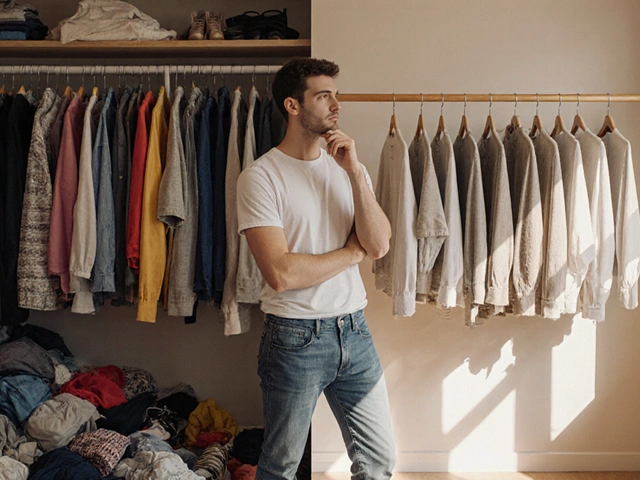
Clothes sitting in racks look one way; once you put them on, another reality emerges. Fit is non-negotiable. You can buy a £100 shirt that looks sharper than a £400 garment if the cut matches your proportions. Baggy jackets imply a lack of discipline, while skin-tight options suggest insecurity. The middle ground projects confidence.
Fabric quality also speaks volumes about your attention to detail. Cheap synthetic blends trap heat and crease easily, making you look uncomfortable by lunchtime. Investing in natural fibers like wool, cotton, or linen breathes better and retains structure. A Wardrobe Capsulea collection of interchangeable clothing pieces that maximize outfit possibilities allows you to rotate pieces without overcomplicating decisions every morning.
- Tailoring: Most mass-market sizing doesn't account for body variance. Spend on alterations rather than expensive labels. Hems, sleeve lengths, and waist adjustments cost pennies compared to buying bespoke but offer 90% of the custom look.
- Color Palette: Stick to a cohesive range of neutrals like navy, grey, and earth tones. It ensures everything mixes and matches instantly, reducing decision fatigue.
- Maintenance: Nothing kills credibility faster than wrinkled shirts or scuffed shoes. Keep a steamer handy and learn basic stain removal protocols immediately.
Decoding Specific Workplace Environments
Not all offices demand the same uniform. Knowing the hierarchy of environments saves you from standing out for the wrong reasons.
| Environment Type | Typical Attire | Psychological Impact |
|---|---|---|
| Corporate / Financial | Suits, ties, polished leather shoes | Conveys tradition, stability, and authority |
| Business Casual | Chinos, polos, smart blazers, loafers | Projects approachability without sacrificing professionalism |
| Creative Agency | Designer jeans, unique accessories, boots | Signals innovation, flexibility, and aesthetic awareness |
If you are in a hybrid role where you see clients some days and screen-share others, you might feel tempted to skip the effort entirely. Don't. The moment you step into a client office, your casual home attire becomes visible. Many professionals now opt for "dual-dressing": comfortable bottoms at home with a sharp top layer, allowing a quick transition when a meeting is called unexpectedly. This keeps your mind focused on performance rather than discomfort.
Footwear and the Ground Game
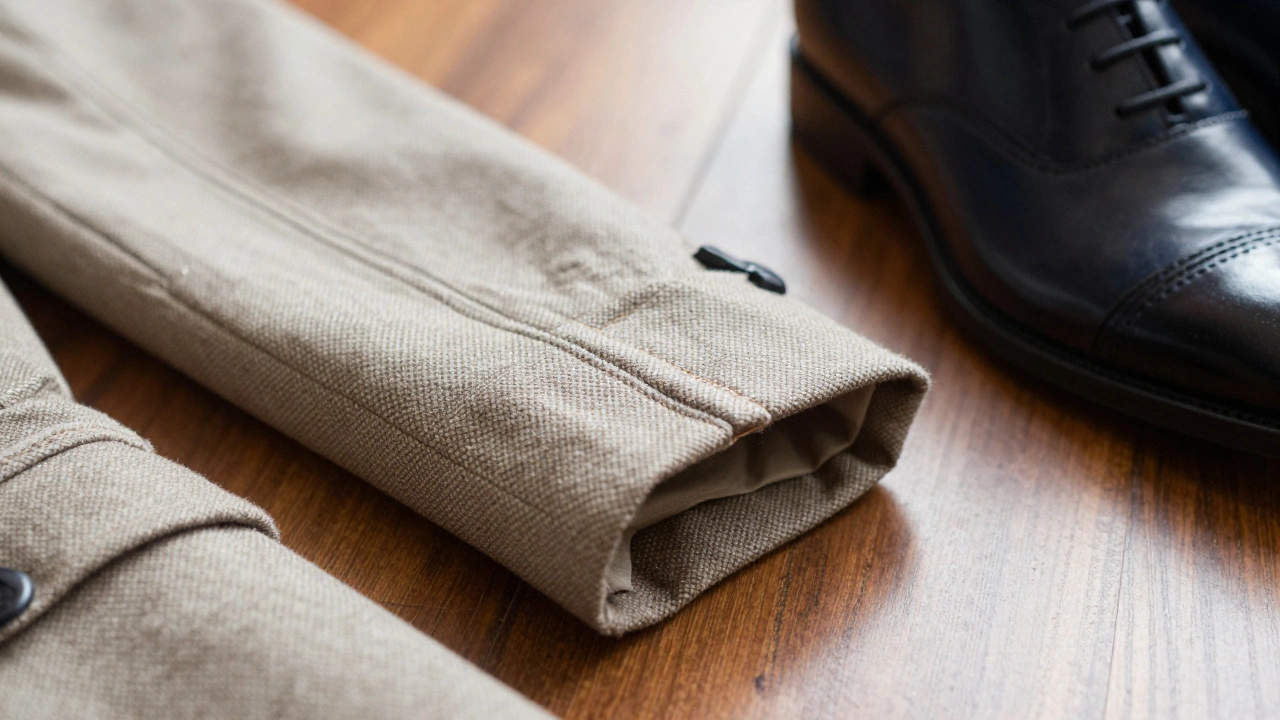
Your shoes often reveal more about you than your jacket. They are the part of the outfit that touches the floor literally and metaphorically. Scuffed soles or untied laces draw eyes downward, signaling neglect. High-quality footwear anchors the entire look.
When choosing shoes, consider the terrain. In cities like Leeds, cobblestone streets and winter slush test durability. Leather boots that handle the commute but pair with trousers show practicality. For formal settings, classic Oxfords or derbies maintain a link to tradition. Avoid athletic sneakers in conservative settings, even if the trend suggests otherwise. The rule remains: clean, polished, and structurally sound shoes always win. They demonstrate you care about the smallest details, implying you will care about the fine print of a project too.
Building Authority Through Accessories
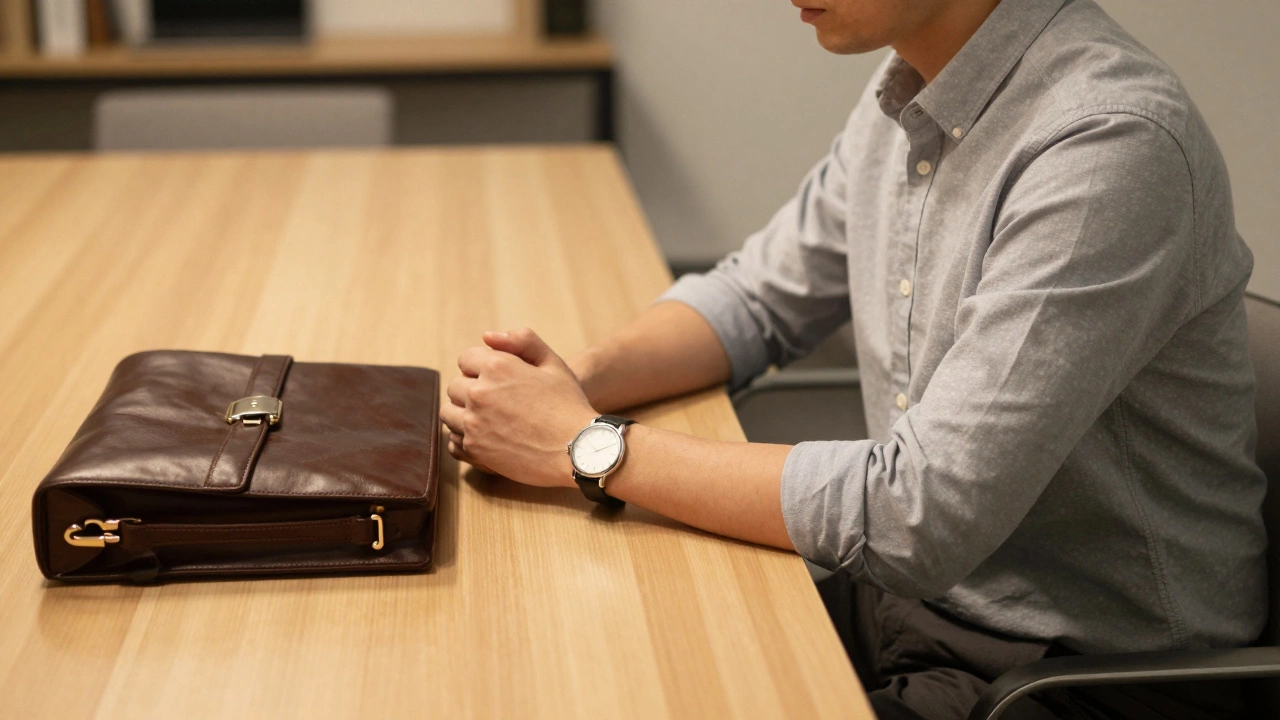
Once the basics are covered, accessories become your leverage. A watch, a pen, or a bag communicates personal style and organizational habits. Cluttered pockets or noisy jewelry can distract during conversations. Keep it minimal but intentional.
A leather belt matching your shoe color is an old-school trick that visually lengthens the leg line and shows consistency. A structured briefcase or laptop bag replaces the haphazard gym bag. Even on a Zoom call, having a professional backdrop and good lighting contributes to the "dressed" vibe. Visual cues stack. Every element should reinforce the narrative that you are prepared, organized, and reliable.
Navigating Interviews and Career Transitions
Job hunting introduces a different dynamic. Here, you are auditioning for a potential role. It is always wiser to overdress than underdress. The psychological boost of feeling powerful is real-it's called encapsulation psychology. When you look the part, you act the part.
For interviews, research the company's website specifically for photos of their team. Match their aesthetic. If they are in denim, a full suit might intimidate them. If they are in suits, chinos might seem too casual. The golden rule for interviews: one level higher than their average day-to-day norm. If they wear polo shirts, you wear a sport coat. This signals ambition and respect for the opportunity without alienating you.
The Budget Reality of Building a Look
People often assume dressing for success requires designer price tags. It doesn't. Department stores, vintage shops, and online retailers offer viable options. Focus on fabric composition and seam quality rather than brand logos. A well-fitted basic white shirt from a high street retailer will outperform an ill-fitting luxury label.
Calculate the cost per wear. An expensive blazer worn 50 times costs less per use than a cheap one discarded after pilling. Prioritize investment on items used frequently: shoes, outerwear, and coats. Trends cycle quickly; timeless cuts last longer. By shopping with a strategic eye, you protect your finances while projecting a premium image.
Adapting to Seasonal Shifts
The local climate impacts your wardrobe functionally. Summer months require breathable linens and lighter colors that repel heat. Winter demands layers that retain warmth without adding bulk. Transitioning your closet seasonally ensures comfort. Discomfort distracts the brain. If you are shivering under fluorescent lights or sweating in a suit, your cognitive load drops, affecting decision-making speed.
Plan ahead for weather changes. Always keep a coat that looks professional outside the building. Arriving disheveled from the rain sets a negative tone before you enter. Weather-resilient fabrics blend practicality with aesthetics, bridging the gap between commuting and presenting.
Common Pitfalls to Avoid
Even with good intentions, errors happen. Watch out for logos that shout brands rather than letting the clothing speak. Visible underwear lines, frayed cuffs, or mismatched socks break the illusion of perfection. Also, avoid trying too hard to fit in; authenticity wins over long-term mimicry. Find a style that feels natural to you but respects the environment. Comfort allows you to relax, and relaxation enables better performance.
What is the safest outfit for a job interview?
The safest choice is a neutral-colored suit, a collared shirt, and polished shoes. Research the company culture first; if they wear casual clothes, a blazer and chinos are appropriate, whereas traditional firms expect a full suit.
Can I wear jeans to work?
It depends on your industry. Tech and creative sectors usually accept dark-wash jeans without distress. In legal, finance, or client-facing roles, trousers or tailored slacks are preferred to maintain authority.
How much should I spend on my work wardrobe?
You don't need designer labels. Allocate budget toward fit and fabric quality instead. Invest in tailoring and shoes, as these items define the overall perception of the outfit.
Does clothes affect performance?
Yes. Psychological studies on 'enclothed cognition' suggest that wearing clothes associated with a certain profession can actually improve cognitive functioning related to that profession.
How do I transition from casual to formal?
Start small by adding a blazer or switching sneakers for loafers. Gradually incorporate more formal elements until you understand the comfort zone required for specific meetings or presentations.