

Find Your Style Archetype
Discover your natural style direction by selecting the description that best matches your current lifestyle and aesthetic goals.
Step 1: Which vibe feels most like "you"?
Minimalist
Clean lines, neutral colors, no logos. Effortless and sharp.
Classic Gentleman
Oxford shirts, chinos, brogues. Professional, timeless, and polished.
Urban Casual
Hoodies, joggers, chunky trainers. Comfort-focused but put-together.
Rugged Outdoors
Denim jackets, boots, flannels. Earth tones and durable textures.
Step 2: Define Your Aesthetic (The Three-Word Rule)
Select exactly three words that describe how you want to look. This acts as a filter for future purchases.
Your Style Blueprint
Archetype:
Based on your selection, this is your core foundation.
Your Mantra:
Key Pieces to Buy
Color Palette
Pitfall to Avoid
Pro Tip:
Walking into a clothing store and staring at racks of shirts can feel like trying to read a book in a language you don’t speak. You know the clothes are nice, but do they look good on you? Finding your personal style isn't about following trends or copying celebrities. It is about building a wardrobe that feels as natural as your favorite pair of jeans.
If you have ever bought something because it was 'in' only to wear it once and regret it, you are not alone. The secret is not guessing. It is a process of elimination, observation, and small experiments. Let’s break down how to actually find what works for you without wasting money or time.
The Quick Takeaways
- Audit your current closet: Identify what you already own and love wearing to spot patterns.
- Define your lifestyle needs: Style must fit your daily routine, whether that’s an office desk or a construction site.
- Use the 'Three-Word Rule': Narrow your aesthetic down to three descriptive words to guide purchases.
- Focus on fit over brand: A cheap shirt tailored correctly beats an expensive one that hangs wrong.
- Start with basics: Build a foundation of neutral colors before adding bold statements.
Step 1: The Closet Audit (Your Data Source)
Before you buy anything new, you need to understand what you already have. This step is crucial because your body knows what feels good, even if your mind hasn't categorized it yet. Clear out your closet. Yes, all of it. Lay everything out on your bed or floor.
As you look at each item, ask yourself two questions: Does this fit well? Do I genuinely enjoy wearing this? If the answer to either is no, set it aside. Don't be sentimental. Clothes are tools, not memories. Once you have separated the keepers from the discard pile, look at the remaining items. What do you notice?
You might see that you mostly keep dark denim, plain t-shirts, and boots. Or maybe you hold onto button-down shirts and chinos. These patterns reveal your subconscious preferences. Write these observations down. This is your baseline data. If you mostly keep casual wear, forcing yourself into suits every day will feel uncomfortable and unnatural. Start where you are comfortable, then expand slightly.
Step 2: Match Style to Lifestyle
Fashion fails when it ignores reality. You cannot build a style around high-end tailoring if you spend your days working in a warehouse or playing rugby. Your style must serve your life. Think about your typical week. How many hours do you sit at a desk? How often do you go out socially? What is the weather like in your area?
If you live in a rainy city like Leeds, waterproof layers and sturdy footwear are non-negotiable parts of your style, regardless of how much you love suede loafers. If you work remotely, comfort becomes a priority, but you still want to look put-together for video calls. Define your 'uniform' for these scenarios. For example, a 'smart casual' office worker might rotate between chinos, Oxford shirts, and clean sneakers. A creative freelancer might lean towards vintage jackets, unique textures, and layered looks.
Be honest about your budget too. Buying five expensive pieces you can't afford creates stress. Building a wardrobe of affordable, durable basics creates confidence. Quality doesn't always mean price; it means durability and fit.
Step 3: The Three-Word Definition
Vague goals lead to vague results. Saying 'I want to look cool' won't help you choose between a flannel shirt and a polo. Instead, define your desired aesthetic using three specific adjectives. These words act as a filter for every purchase decision.
Here are some examples of effective combinations:
- Clean, Minimal, Modern: Focuses on neutral colors, simple lines, and no logos. Think white tees, grey sweaters, and straight-leg trousers.
- Rugged, Classic, Relaxed: Leans into denim, leather, boots, and earth tones. Think trucker jackets, corduroy, and worn-in textures.
- Sharp, Structured, Professional: Prioritizes tailored fits, crisp collars, and monochrome palettes. Think blazers, dress shoes, and fitted shirts.
Choose three words that resonate with you. If you see a jacket and it doesn't fit those three descriptors, leave it behind. This prevents impulse buys and keeps your wardrobe cohesive. Over time, these words will become second nature, guiding your eye automatically.
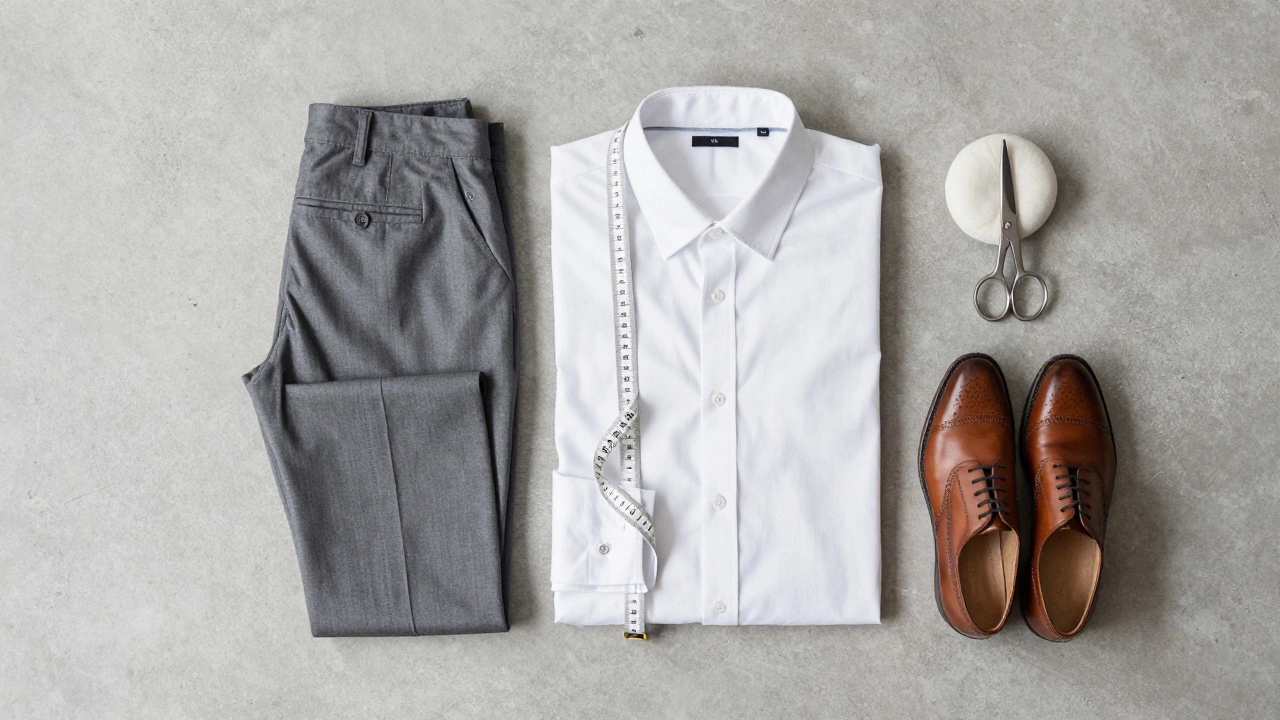
Step 4: Master the Fit
This is the single most important factor in looking stylish. You can wear a £500 suit and look sloppy if it’s baggy, or a £50 t-shirt and look sharp if it fits perfectly. Fit refers to how the garment interacts with your body shape. It shouldn’t be so tight that it restricts movement or pulls at the buttons, nor so loose that it swallows you whole.
Pay attention to key areas:
- Shoulders: The seam should sit right at the edge of your shoulder bone. Not drooping down, not pulling up.
- Sleeves: Shirt sleeves should end at the base of your thumb. Jacket sleeves should show a bit of shirt cuff.
- Trousers: They should break slightly at the shoe or sit just above it. Avoid excessive bunching at the ankles unless you’re going for a specific vintage look.
If off-the-rack clothes don’t fit, don’t give up. Find the closest size and take them to a tailor. Hemming pants or taking in a waist is inexpensive compared to buying new clothes. Tailoring transforms generic garments into custom pieces. It shows attention to detail, which people subconsciously associate with sophistication.
Step 5: Build a Color Palette
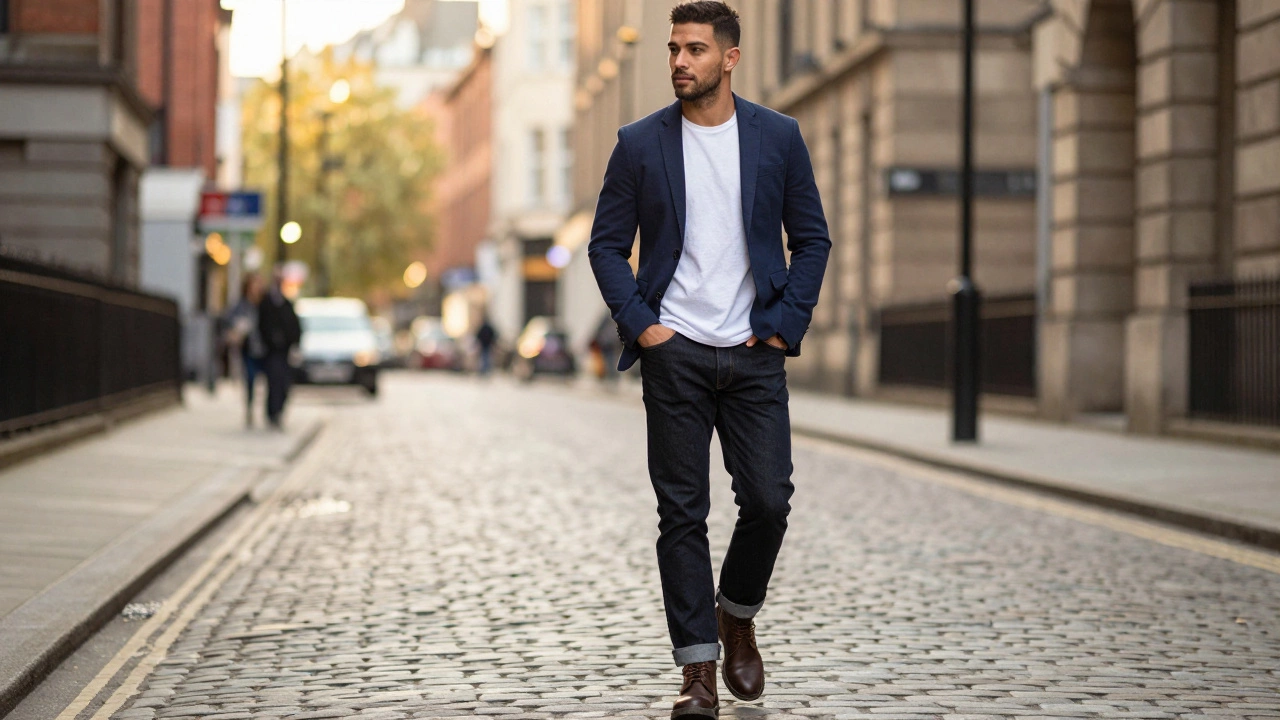
Color coordination doesn’t require a degree in art. Start with neutrals. Navy, grey, black, white, olive, and beige mix effortlessly. When your wardrobe is built on these foundations, you never have to wonder if your shirt matches your pants. They just do.
Once you’re comfortable with neutrals, introduce accent colors. Choose one or two colors that complement your skin tone. If you have warm undertones (veins look greenish), try earth tones like rust, mustard, or brown. If you have cool undertones (veins look bluish), stick to jewel tones like royal blue, emerald, or burgundy. You can test this by holding different colored fabrics near your face in natural light. See which ones make your skin look bright rather than washed out.
Stick to a rule of thumb: limit your outfit to three main colors. This keeps things balanced and avoids visual clutter. A navy jacket, white shirt, and grey trousers work because they’re distinct but harmonious. Adding a red tie and orange socks might be too much noise.
Step 6: Experiment and Iterate
Style is not static. It evolves as you do. Don’t expect to find your perfect look overnight. Treat your wardrobe as a laboratory. Try new combinations. Wear that sweater with jeans instead of chinos. Add a scarf to a coat. Throw on a hat you’ve never worn before.
Take photos of yourself. We often judge ourselves harshly in mirrors, but photos capture how others see us. Look back at old photos. What did you like? What didn’t? Use social media or fashion blogs for inspiration, but remember: context matters. A model in Milan has different constraints than you in Leeds. Adapt ideas to your local climate and culture.
Ask trusted friends for feedback. Not everyone, though. Pick people whose taste you respect. Ask specific questions: 'Does this jacket make me look slimmer?' or 'Do these shoes clash with my belt?' Honest input accelerates learning.
| Archetype | Key Pieces | Best For | Pitfall to Avoid |
|---|---|---|---|
| Minimalist | Plain tees, straight jeans, white sneakers | Clean, effortless look | Looking too plain or boring |
| Classic Gentleman | Oxford shirts, chinos, brogues | Professional settings, dates | Looking stiff or outdated |
| Urban Casual | Hoodies, joggers, chunky trainers | Comfort, everyday wear | Looking sloppy or unkempt |
| Rugged Outdoors | Denim jackets, boots, flannels | Weekends, cooler weather | Overdoing textures and patterns |
Final Thoughts on Confidence
The best accessory you can wear is confidence. When you feel good in what you’re wearing, it shows. People notice posture, eye contact, and ease more than brand logos. If you force yourself into a style that feels alien, you’ll constantly adjust your collar or tug at your hem. That discomfort radiates outward.
Figure out your style by removing friction. Make getting dressed easy. Reduce decision fatigue. Own fewer, better items that fit your life. As you refine this process, you’ll stop thinking about clothes and start living your life. That’s the ultimate goal.
How long does it take to figure out your personal style?
There is no fixed timeline. For some, it takes a few weeks of auditing and experimenting. For others, it evolves over years. Consistency helps. Stick to your three-word definition for at least three months before changing direction. Patience is key.
What if I have a limited budget?
Budget-friendly style focuses on basics and fit. Buy unbranded cotton tees, plain denim, and simple trousers from discount retailers. Prioritize tailoring for key items like shirts and trousers. Thrift stores offer great value for unique pieces. Avoid fast-fashion trends that fall apart quickly.
Can I change my style completely?
Yes, but gradual changes work best. Drastic shifts often feel inauthentic. Introduce new elements slowly. Swap one piece at a time. For example, replace graphic tees with solid colors first. Then add structured jackets. This allows you to adapt mentally and financially.
How do I know if a color suits me?
Test colors in natural daylight. Hold fabric near your face. If your skin looks vibrant and healthy, it’s a good match. If you look pale or tired, avoid it. Warm undertones pair well with earth tones; cool undertones suit jewel tones. Neutrals like navy and grey generally work for everyone.
Is it okay to mix different style archetypes?
Absolutely. Many successful styles blend elements. Pairing rugged boots with minimalist trousers creates interesting contrast. Just ensure the pieces share common ground, like fit or color palette. Cohesion comes from balance, not uniformity.