

Modern Gentleman Behavior Quiz
Your Result
You walk into a crowded room. One man is loud, checking his phone, and ignoring the person next to him. Another stands quietly, makes eye contact, offers a genuine smile, and holds the door for someone struggling with bags. Who do you trust more? Who feels safer around? This isn’t just about old-fashioned rules; it’s about human connection. In a world that often feels rushed and rude, the question of whether being a gentleman is attractive has never been more relevant.
The short answer is yes. But not in the way Victorian novels might suggest. It’s not about wearing a three-piece suit or knowing which fork to use at a seven-course dinner. Today, being a gentleman is less about rigid etiquette and more about consistent character. It’s about respect, reliability, and emotional awareness. When we strip away the stereotypes, we find that the core traits of a gentleman align perfectly with what most people seek in a partner: safety, stability, and kindness.
What defines a modern gentleman?
A modern gentleman is defined by actions rather than attire. He listens actively, respects boundaries, takes responsibility for his mistakes, and treats everyone-from service staff to CEOs-with equal dignity. His charm comes from confidence without arrogance and strength without aggression.
The Psychology of Respect
Why does good behavior attract us? Psychologically, humans are wired to seek safety and predictability. A gentleman provides both. When someone consistently demonstrates respect, they signal that they are emotionally stable. You don’t have to guess where you stand with them. Their words match their actions. This consistency reduces anxiety in relationships, making interactions feel lighter and more enjoyable.
Consider the concept of "benevolent masculinity." Research in social psychology suggests that men who display warmth and competence simultaneously are rated as highly attractive. Warmth includes empathy, generosity, and politeness. Competence includes reliability, integrity, and capability. A gentleman balances these two. He can fix a leaky faucet (competence) but also notices when you’re having a bad day and asks how he can help (warmth). This combination is rare and powerful.
Think about your last date. Did you feel heard? Or did you feel like you were competing for attention? A gentleman ensures you feel seen. He doesn’t interrupt. He remembers small details you mentioned weeks ago. These aren’t grand gestures; they are micro-moments of care. They build trust faster than any expensive gift ever could.
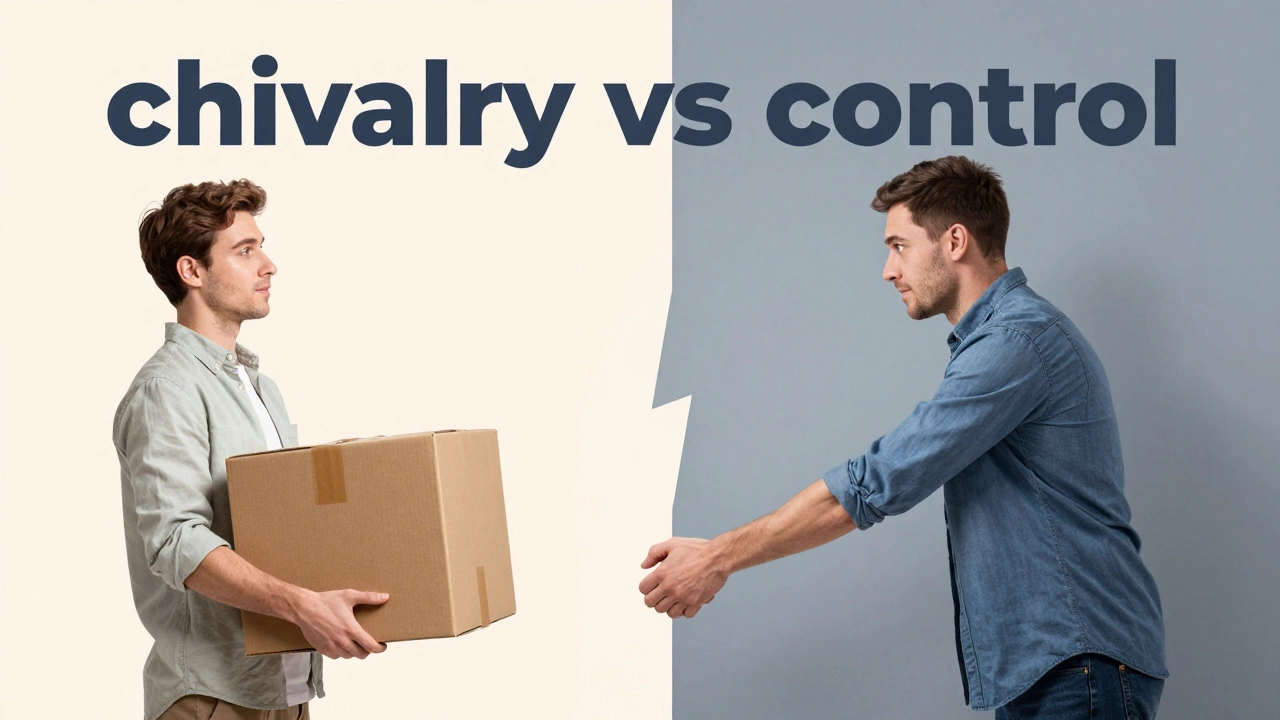
Chivalry vs. Control
There is a fine line between chivalry and control. Some confuse being a gentleman with dominating situations or making decisions for others under the guise of "helping." True chivalry is collaborative. It’s offering to carry heavy bags, not assuming the other person can’t do it themselves. It’s opening a car door, then waiting to see if they appreciate the gesture before proceeding.
Modern chivalry requires reading the room. If someone values independence and prefers to handle their own things, forcing traditional gestures can come across as patronizing. The key is intent. Are you acting out of genuine care, or are you performing a role to look good? People can sense the difference. Authenticity matters more than perfection. If you spill wine on the table, a gentleman apologizes sincerely and helps clean up, rather than blaming the waiter or making a joke at someone else’s expense.
This distinction is crucial in today’s dating landscape. Many people are wary of performative niceness-what some call "love bombing" or superficial charm. A real gentleman’s behavior is steady. He is kind on the first date and the hundredth. He is respectful when things are going well and even more so when conflicts arise. That resilience is what makes the trait truly attractive.
Communication as a Core Trait
One of the most overlooked aspects of being a gentleman is communication. It’s not just about saying "please" and "thank you." It’s about listening. Active listening means putting down the phone, maintaining eye contact, and responding thoughtfully. It shows that you value the other person’s perspective enough to suspend your own agenda temporarily.
In arguments, a gentleman avoids contempt. Psychologist John Gottman identifies contempt as the number one predictor of divorce. Contempt includes eye-rolling, sarcasm, and name-calling. A gentleman disagrees respectfully. He uses "I" statements instead of "You" accusations. He seeks to understand before being understood. This level of emotional maturity is incredibly attractive because it promises long-term harmony.
Furthermore, clear communication prevents misunderstandings. A gentleman is direct about his intentions. If he likes you, he says so. If he needs space, he explains why. He doesn’t play games or leave you guessing. This transparency builds a foundation of honesty that allows intimacy to grow naturally.
Digital Etiquette in the Age of Screens
Being a gentleman now extends into the digital realm. How you text, email, and behave on social media reflects your character. Do you reply promptly? Not necessarily immediately, but within a reasonable timeframe. Do you ghost people? Ghosting is the antithesis of gentlemanly behavior. It’s cowardly and disrespectful. Even if you’re not interested, a simple, polite message closes the loop with dignity.
Social media presence also matters. A gentleman curates his online image with integrity. He doesn’t engage in cyberbullying or spread gossip. He shares content that adds value or brings joy. He respects privacy, asking permission before posting photos of others. These digital habits show that his respect is universal, not situational.
Consider this scenario: You’re on a date, and his phone buzzes constantly. He checks every notification, laughing at memes while you talk. What message does that send? It says, "The digital world is more important than you." A gentleman keeps his phone away during face-to-face interactions. He gives his full attention. That focused presence is a gift in itself.
Reliability and Integrity
Attraction fades, but respect lasts. Reliability is the backbone of gentlemanly behavior. If he says he’ll call, he calls. If he promises to be there at 7 PM, he arrives at 6:55 PM. Small promises kept build a reputation of trustworthiness. In a world full of flakiness, being someone who follows through is a superpower.
Integrity means doing the right thing even when no one is watching. It’s returning the extra change the cashier accidentally gave you. It’s admitting when you’re wrong. It’s standing up for someone who is being treated unfairly, even if it costs you socially. These actions reveal character depth. They show that your values are internal, not dependent on external validation.
When you combine reliability with integrity, you create a sense of security. Partners feel safe investing in the relationship because they know you won’t abandon ship at the first sign of trouble. This emotional safety net is essential for deep, lasting connections.
Practical Steps to Cultivate Gentlemen Traits
Becoming a gentleman is a practice, not a destination. Here are actionable steps to integrate these traits into your daily life:
- Practice active listening: Next time someone speaks, wait two seconds after they finish before responding. Use this pause to process what they said, not just plan your rebuttal.
- Master the art of apology: Learn to say "I’m sorry" without adding "but..." Take full ownership of your impact on others.
- Respect boundaries: Ask for consent in all interactions, from physical touch to sharing personal information. Never pressure anyone into anything.
- Be punctual: Treat other people’s time as valuable as your own. Arrive early or on time, never late.
- Show gratitude: Express thanks specifically. Instead of "thanks," try "Thank you for helping me move yesterday; it saved me hours of stress." Specificity shows sincerity.
- Dress appropriately: You don’t need a tuxedo, but wear clothes that fit well and are clean. Grooming shows self-respect, which translates to respect for others.

The Impact on Long-Term Relationships
While initial attraction might spark interest, gentlemanly behavior sustains love. Studies on marital satisfaction highlight that kindness and consideration are stronger predictors of happiness than passion alone. Passion fluctuates; kindness is a choice you make every day.
In long-term partnerships, life gets hard. Jobs change, health issues arise, family dynamics shift. A gentleman navigates these challenges with grace. He doesn’t blame his partner for difficulties. He approaches problems as a team. He maintains his manners even when stressed. This stability anchors the relationship during storms.
Moreover, children learn by example. If you are raising kids, modeling gentlemanly behavior teaches them how to treat others. It sets a standard for future generations. Your behavior ripples outward, influencing friends, colleagues, and community members. Being a gentleman is not just about attracting a partner; it’s about contributing positively to the world around you.
Common Misconceptions Debunked
Let’s address some myths. First, being a gentleman doesn’t mean being weak. Strength and gentleness are not opposites. A strong man can be gentle because he doesn’t need to prove his dominance. Second, it doesn’t mean paying for everything. Financial equality is common in modern relationships. The gesture of offering is what counts, not the transaction. Third, it’s not gender-exclusive. Women can exhibit gentlemanly traits, and men can benefit from learning from women’s emotional intelligence. These are human virtues, not gender roles.
Another misconception is that being a gentleman is outdated. In reality, basic decency is timeless. While specific customs evolve, the underlying principles of respect and care remain constant. Society may change, but human needs for connection and safety do not.
Conclusion: The Timeless Appeal
So, is being a gentleman attractive? Absolutely. But it’s not about following a checklist of rules. It’s about embodying a mindset of respect, empathy, and integrity. It’s about showing up fully for the people in your life. In a noisy, chaotic world, a gentleman offers clarity and calm. He makes others feel valued, heard, and safe. And that, ultimately, is the most attractive quality of all.
Start small. Hold the door. Listen deeply. Apologize sincerely. Over time, these actions become habits. They shape your character. And as your character grows, so does your ability to form meaningful, lasting connections. The world needs more gentlemen-not because of tradition, but because it needs more kindness.
Can a woman be a gentleman?
Yes. The term "gentleman" traditionally refers to men, but the traits associated with it-respect, kindness, integrity-are universal. Anyone can cultivate these qualities regardless of gender. In fact, embracing these traits promotes healthier interactions for everyone.
Is being a gentleman expensive?
No. Being a gentleman costs nothing. It’s about behavior, not spending. Listening, respecting, and being reliable are free. While some gestures like buying dinner involve money, the core of gentlemanly behavior is character-based, not financial.
How do I know if someone is genuinely a gentleman?
Look for consistency. Does he treat service staff with the same respect as you? Does he apologize when wrong? Is he reliable over time? Genuine gentlemanly behavior is steady and inclusive, not performative or selective.
Does being a gentleman mean always agreeing?
No. A gentleman has opinions and stands by them respectfully. He disagrees without demeaning others. Healthy conflict resolution is part of mature relationships. Agreeing just to keep peace is avoidance, not gentlemanly behavior.
Can I learn to be a gentleman if I wasn't raised that way?
Absolutely. Character is built through conscious effort. Start by observing positive role models, practicing active listening, and reflecting on your interactions. Change takes time, but every small step counts toward becoming a better version of yourself.