Traditional British Shirt Collars: Types, Origins, and Style Tips
Explore classic British shirt collars, their history, how they work with different outfits, and practical tips for wearing them stylishly.

When you think of a well-dressed man, the first thing that often comes to mind isn’t the suit—it’s the British shirt collar, a refined, structured collar style rooted in British tailoring tradition that balances formality with quiet confidence. It’s not just fabric folded around the neck—it’s a silent statement about how you carry yourself. Unlike floppy or overly trendy collars, British collars are designed to sit cleanly, frame the face, and hold their shape through the day. They’re the kind of detail that makes people notice you without knowing why.
There are several classic collar types, distinct shapes that define how a shirt interacts with a tie, jacket, and your overall silhouette you’ll see in British menswear: the spread collar, the point collar, the cutaway, and the button-down. Each serves a different purpose. The spread collar, a wider angle between the collar points that creates space for a tie knot and adds presence is the go-to for formal occasions and broad faces. The point collar, a narrower, tighter angle that’s sleek and versatile works for business, casual Fridays, and everything in between. The cutaway collar, an extreme spread that’s bold and theatrical is for those who want to stand out without saying a word. And the button-down collar, a casual, slightly relaxed style with buttons securing the points to the shirt? That’s the British answer to American preppy—polished, but never stiff.
What makes these collars uniquely British isn’t just their shape—it’s how they’re made. British tailors prioritize structure, using canvas interlinings and hand-stitched collars that maintain form without stiffness. They’re built to last, not just look good in a photo. And they’re meant to be worn with purpose: a spread collar with a knitted tie for a Sunday lunch, a point collar under a navy blazer for a meeting, a button-down with chinos on a Saturday morning. It’s not about matching a dress code—it’s about matching your intent.
Too many men buy shirts based on price or brand, then wonder why they look off. It’s rarely the fabric. It’s the collar. The wrong collar can make a great suit look sloppy. The right one can turn a simple white shirt into a statement. Your face shape, neck length, and even your posture play a role. A tall, narrow face? A wider spread collar balances it. A shorter neck? Avoid extreme cutaways—they’ll cut you off visually. It’s not magic. It’s measurement, observation, and a little self-awareness.
What you’ll find in the posts below isn’t a list of where to buy shirts. It’s a collection of real, practical insights from men who’ve learned the hard way—through wrinkled collars, ill-fitting ties, and awkward photos. You’ll read about how to choose a collar that works for your life, not just your wardrobe. How to spot quality construction. How to pair collars with jackets, ties, and even beards. And why, in a world of fast fashion, the right collar still matters more than ever.
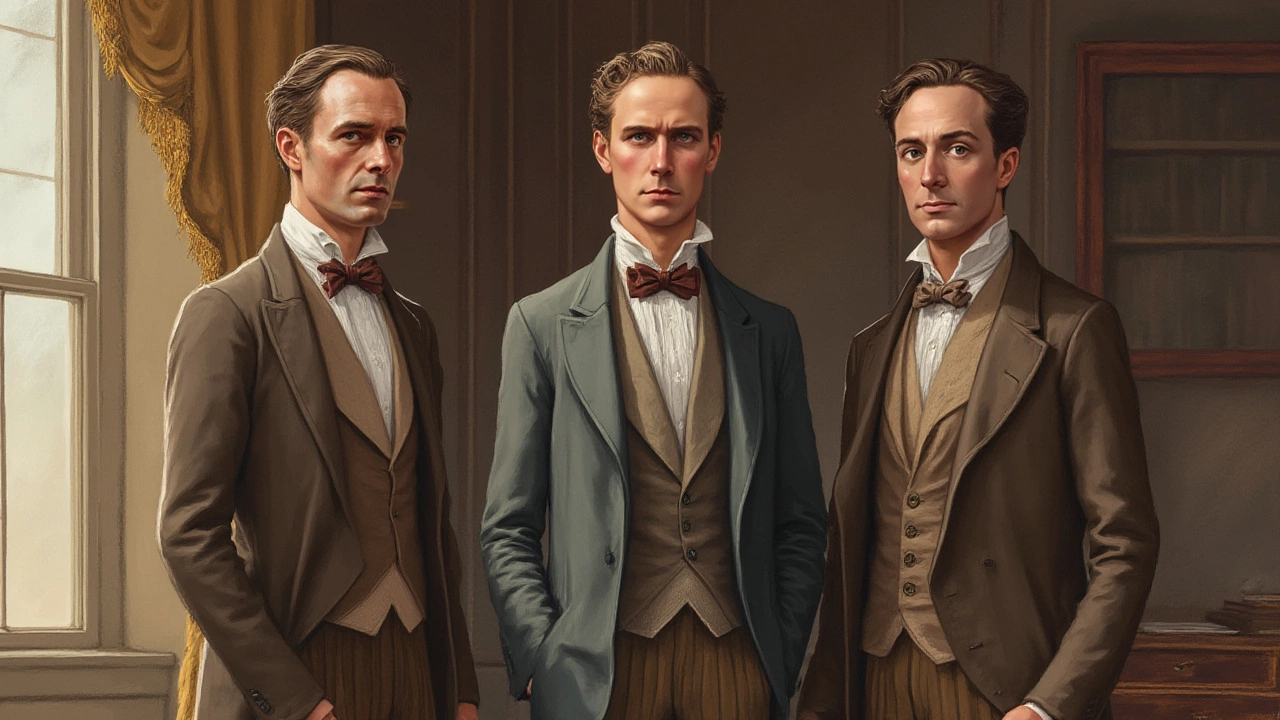
Explore classic British shirt collars, their history, how they work with different outfits, and practical tips for wearing them stylishly.