Traditional British Shirt Collars: Types, Origins, and Style Tips
Explore classic British shirt collars, their history, how they work with different outfits, and practical tips for wearing them stylishly.

When you buy a dress shirt, a foundational piece of men’s clothing designed for both formal and smart casual settings. Also known as formal shirt, it’s not just fabric on your back—it’s the base layer of how people judge your presence, even before you speak. In the UK, where weather shifts and expectations vary from boardrooms to weekend pubs, the right shirt does more than look good—it lasts, breathes, and fits without fighting you.
Not all dress shirts, a foundational piece of men’s clothing designed for both formal and smart casual settings. Also known as formal shirt, it’s not just fabric on your back—it’s the base layer of how people judge your presence, even before you speak. are made equal. The best ones use cotton, a natural fiber that balances comfort, breathability, and durability—especially long-staple varieties like Egyptian or Supima. You’ll notice the difference in how it holds a collar, how it wrinkles (or doesn’t), and how it feels after ten hours at your desk. fit, the precise way a garment conforms to the body without tightness or excess matters more than brand. A shirt that’s too loose looks sloppy. One that’s too tight looks like you’re trying too hard. The shoulder seam should sit right where your arm meets your shoulder. The sleeves should end at the base of your thumb when your arms are relaxed. And the collar? It should fit snugly but let you slip two fingers underneath.
Style in the UK isn’t about matching a stereotype—it’s about adapting. A white dress shirt with a navy blazer works for meetings. Roll up the sleeves, leave the top button open, and pair it with dark chinos for a relaxed Friday. The key is knowing when to keep it clean and when to loosen it up. You don’t need ten shirts. You need five that fit well, are made from quality material, and can be mixed and matched. Look for shirts with a spread or button-down collar—they’re the most versatile. Avoid anything with excessive embroidery, loud patterns, or stiff, synthetic blends that trap heat and sweat.
And don’t forget the little things. French cuffs? Only if you wear cufflinks. A single chest pocket? Fine for casual, skip it for formal. The stitching along the yoke and placket should be tight and even—no loose threads. Wash them inside out, air dry when you can, and iron them while slightly damp. A well-cared-for shirt lasts years. A cheap one? It shrinks, fades, and looks tired after three washes.
The posts below aren’t about where to buy the cheapest shirt. They’re about how to build a wardrobe that works with your life—not against it. You’ll find guides on dressing for British weather, how to look sharp without looking like you’re trying too hard, and what separates a man who just wears clothes from one who wears them with quiet confidence. This isn’t fashion. It’s substance.
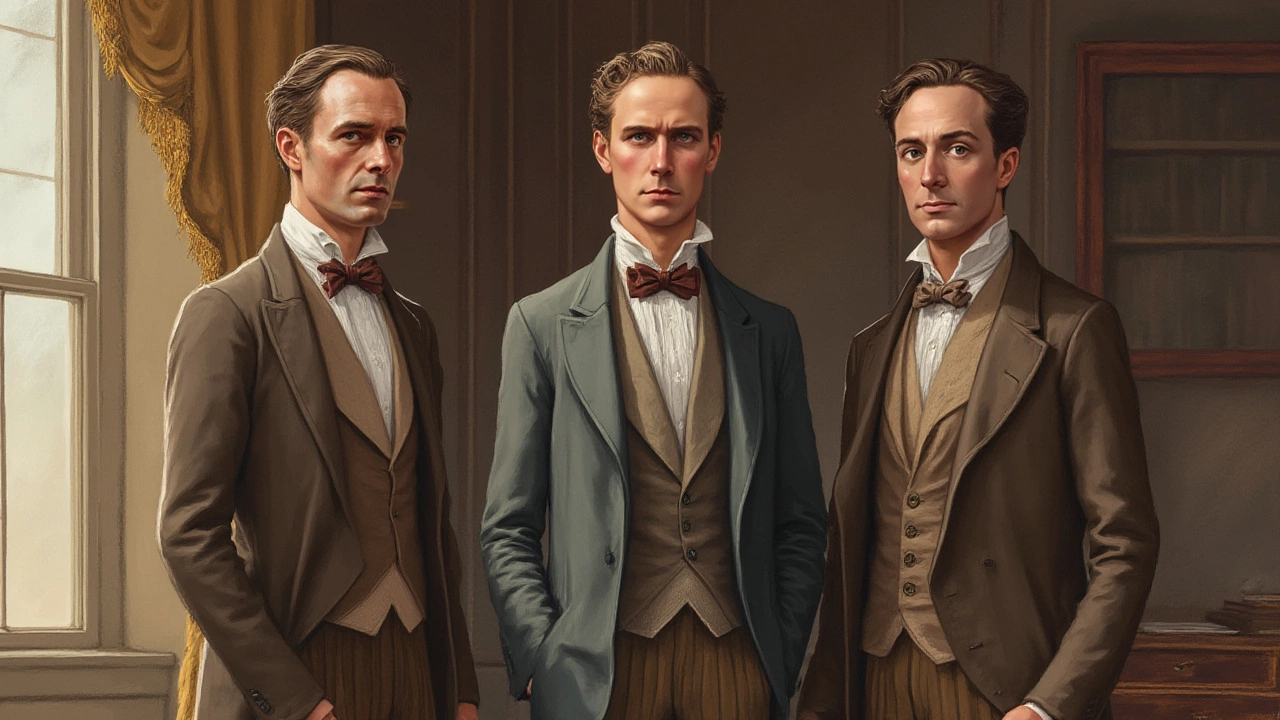
Explore classic British shirt collars, their history, how they work with different outfits, and practical tips for wearing them stylishly.