How Mindset Is Formed: Science, Habits & Brain Tricks
Explore how mindset forms through brain plasticity, habits, and self‑talk, and learn practical steps to reshape your mental patterns.

When you struggle to stick to a new habit, feel stuck in negative thoughts, or wonder why confidence doesn’t come just by trying harder, the answer isn’t in your willpower—it’s in your neurobiology, the study of how the brain and nervous system influence behavior, emotion, and decision-making. Also known as brain science, it’s the hidden system behind every choice you make, from what you wear in the morning to how you react when someone cuts you off in traffic.
Neurobiology doesn’t care about motivation slogans. It cares about dopamine spikes, neural pathways, and the quiet rewiring that happens while you sleep. That’s why most self-improvement plans fail—they ignore the brain’s actual wiring. When you build confidence, it’s not because you repeated affirmations. It’s because repeated actions—showing up, speaking up, even failing and trying again—strengthen the neural circuits tied to self-trust. The same goes for mindset. A growth mindset, the belief that abilities can be developed through effort and learning isn’t just a nice idea. It’s a measurable shift in brain activity. Studies show people who adopt this mindset activate different regions when facing challenges—regions linked to problem-solving, not fear. And when you practice silence in a relationship, or choose not to react to stress, you’re not being passive. You’re training your prefrontal cortex to override the amygdala’s panic button.
Neurobiology also explains why your habit formation, the process by which behaviors become automatic through repetition and reward works the way it does. You don’t need to overhaul your life. You need to trigger the right chemical feedback. A morning walk? That’s serotonin and endorphins building resilience. Journaling for five minutes? That’s strengthening connections between emotion and logic. Even something as simple as choosing your outfit with care—like the quiet confidence of a well-fitted shirt—can signal safety to your brain, lowering cortisol and raising your sense of control. These aren’t metaphors. They’re biological processes.
What you’ll find below isn’t a list of fluffy tips. It’s a collection of real, grounded posts that connect the dots between how your brain works and how you live. You’ll see how a gentleman’s quiet strength isn’t just character—it’s regulated nervous system responses. How daily routines aren’t about discipline, but about shaping neural pathways. How self-confidence grows not from cheering yourself on, but from consistent, small wins that rewire your brain’s self-perception. This isn’t about trying harder. It’s about working with your biology, not against it.
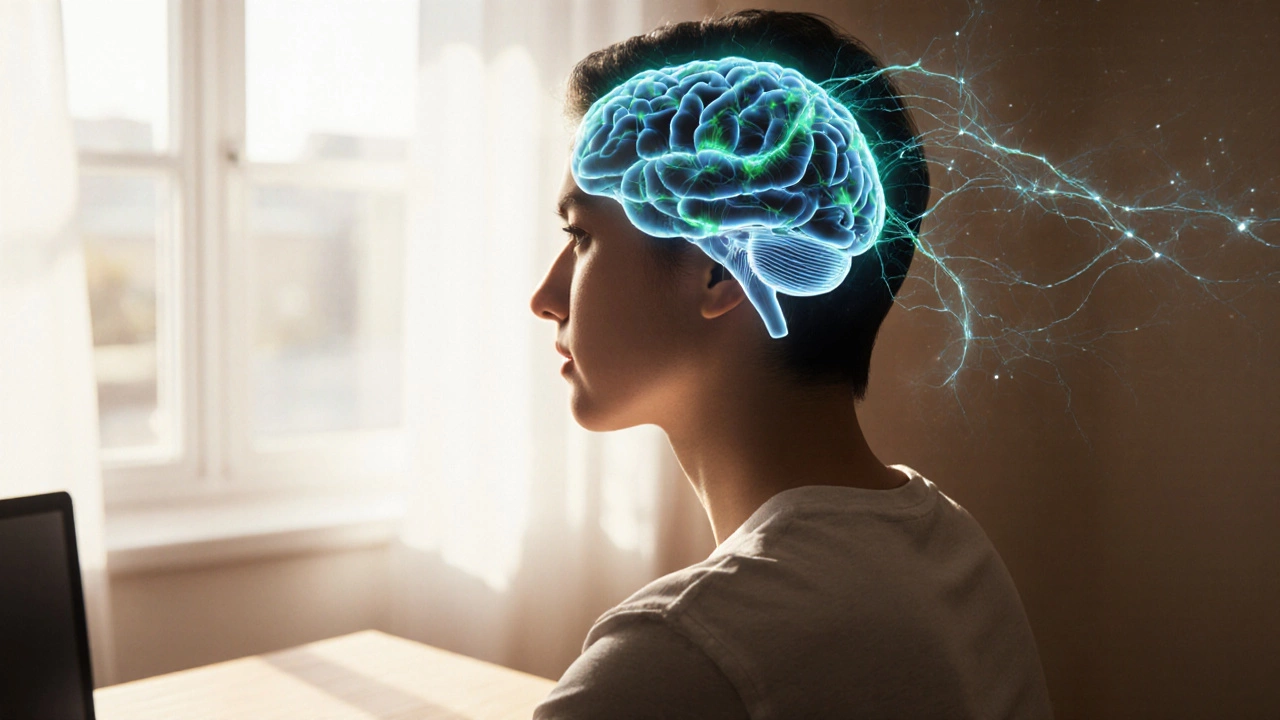
Explore how mindset forms through brain plasticity, habits, and self‑talk, and learn practical steps to reshape your mental patterns.