Muscle Gain & Energy Macro Calculator
Enter your details to calculate the optimal macronutrient split for building lean muscle while maintaining stable energy throughout the day.
Protein
0
grams / day
Role: Muscle repair.
Source: Eggs, Whey, Fish.
Timing: Every 3-4 hrs.
Carbs
0
grams / day
Role: High-octane fuel.
Source: Oats, Rice, Fruit.
Timing: Pre/Post workout.
Fats
0
grams / day
Role: Hormones.
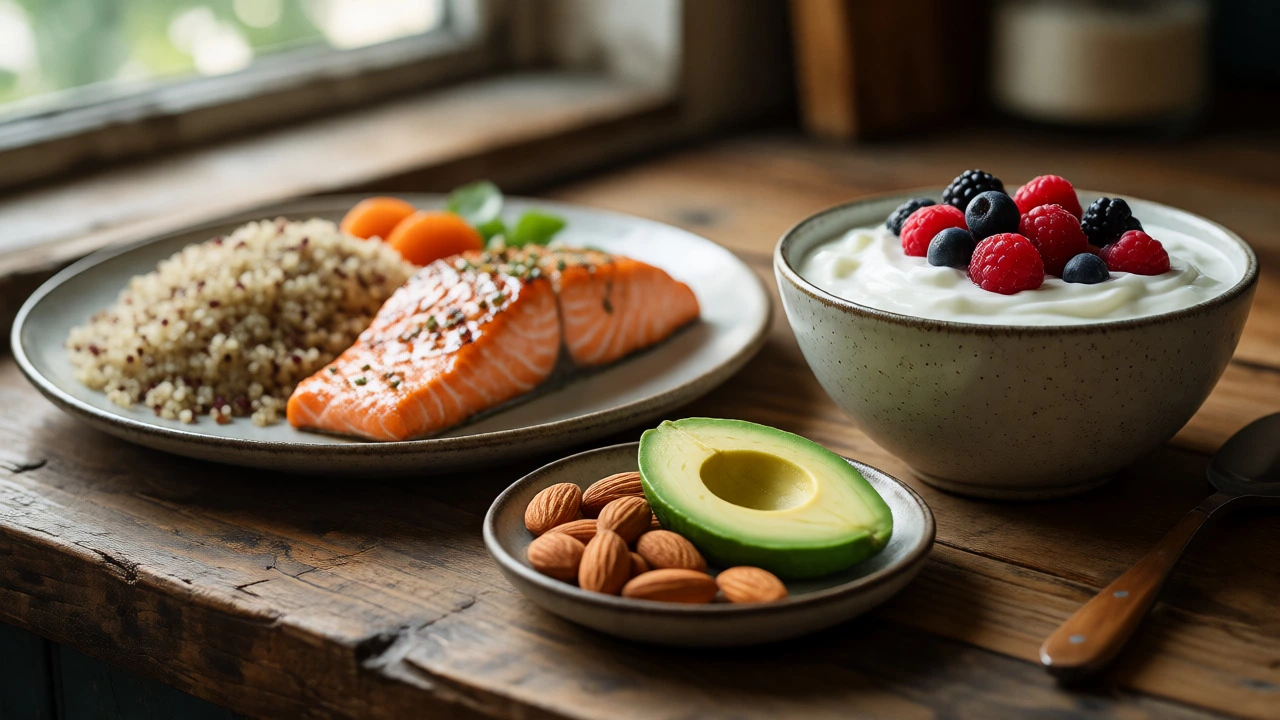
Source: Avocado, Nuts.
Timing: Non-training meals.
Daily Distribution Strategy
Note: These calculations assume a moderate activity level. If you are sedentary, reduce carbs by 20%. If you train twice a day, increase carbs by 20%. Always prioritize whole foods listed in the article guidelines.
You hit the gym hard, lift heavy, and sweat buckets. But by 2 PM, you’re crashing. Or worse, you’re lifting the same weight month after month with zero progress. Sound familiar? It’s rarely about your workout intensity. It’s usually about what’s on your plate. You can’t out-train a bad diet, especially when your goal is to build lean muscle while keeping your energy levels stable throughout the day.
Most people think "eating for muscle" means stuffing their face with chicken breast and rice until they feel sick. That approach often leads to bloating, sluggishness, and poor digestion. The truth is simpler but more nuanced: you need a strategic balance of macronutrients, precise timing, and nutrient-dense foods that fuel both tissue repair and daily cognitive function. This isn't about starving yourself or eating everything in sight. It's about feeding your body exactly what it needs to grow and perform.
The Core Mechanism: Protein Synthesis vs. Breakdown
At its simplest level, muscle growth (hypertrophy) happens when your body builds new muscle fibers faster than it breaks them down. This process is called Muscle Protein Synthesis (MPS). Think of your muscles as a construction site. If you don't deliver enough bricks (amino acids from protein), the workers (your cells) can't build anything, no matter how hard they try.
But here is the catch: if you only focus on protein, you might run out of fuel. Your brain and nervous system run primarily on glucose. If you cut carbs too low, your workouts suffer, and your post-workout recovery slows down because your glycogen stores remain depleted. The ideal diet for this dual goal balances high-quality protein for structure with complex carbohydrates for energy.
Protein: The Architectural Blueprint
If protein is the brick, then amino acids are the specific shapes those bricks come in. Not all proteins are created equal. You want sources rich in leucine, an amino acid that acts like a light switch for MPS. Research consistently points to a target of 1.6 to 2.2 grams of protein per kilogram of body weight for optimal muscle gain. For a 70kg (154lb) person, that’s roughly 112-154 grams of protein daily.
Don't just spread this evenly if you have a busy schedule. Focus on hitting 30-40 grams of high-quality protein per meal. Why? Because there is a limit to how much protein your body can use for synthesis at one time. Eating 80 grams in one sitting doesn't mean you get double the benefit compared to two 40-gram meals. It mostly gets oxidized for energy or stored as fat.
- Whey Isolate: Fast-absorbing, perfect for post-workout.
- Eggs: The gold standard for bioavailability; the yolk contains essential fats for hormone production.
- Greek Yogurt: Contains casein, which digests slowly, making it great before bed.
- Fatty Fish: Salmon provides protein plus Omega-3s, which reduce inflammation and improve insulin sensitivity.
Carbohydrates: The High-Octane Fuel
Here is where most people mess up. They fear carbs. But if you want energy, you need carbs. They are not evil; they are fuel. When you eat carbohydrates, your body breaks them down into glucose, which enters your bloodstream. Insulin helps shuttle that glucose into your muscle cells, where it is stored as glycogen. Glycogen is the primary fuel source for high-intensity exercise.
If you skip carbs, your body turns to breaking down muscle tissue for glucose (gluconeogenesis) to keep your brain running. You literally eat your own gains. To support muscle gain and energy, prioritize complex carbohydrates around your training window. Before a workout, you want fast-digesting carbs like fruit or white rice to spike insulin and drive nutrients into muscles. After a workout, you want to replenish glycogen stores quickly.
For the rest of the day, stick to fiber-rich sources like oats, quinoa, sweet potatoes, and legumes. These provide steady energy without the crash associated with sugary snacks. A common mistake is eating large amounts of fiber right before a workout, which can cause gastrointestinal distress during heavy lifting.

Fats: The Hormonal Regulators
Dietary fats are essential for testosterone production, cell membrane integrity, and absorbing vitamins A, D, E, and K. Cutting fats too low can tank your libido and energy levels. Aim for 0.5 to 1 gram of fat per kilogram of body weight. Focus on monounsaturated and polyunsaturated fats.
Avocados, olive oil, nuts, and seeds are excellent choices. Avoid trans fats found in many processed snack foods, as they increase inflammation, which hinders recovery. Interestingly, some studies suggest that consuming fats with your largest meal of the day may help sustain satiety, preventing late-night bingeing on junk food.
| Macro | Role | Best Sources | Timing Tip |
|---|---|---|---|
| Protein | Muscle repair & growth | Chicken, Eggs, Whey, Tofu | Every 3-4 hours |
| Carbs | Energy & Performance | Rice, Oats, Fruit, Potatoes | Pre/Post Workout |
| Fats | Hormones & Health | Avocado, Nuts, Olive Oil | Non-training meals |
Nutrient Timing: When You Eat Matters
Does the "anabolic window" exist? Yes, but it’s wider than the 30-minute panic marketers sold us. However, pre- and post-workout nutrition significantly impacts performance and recovery. If you train fasted, you might feel weak. If you train immediately after a huge meal, you might feel nauseous.
A practical strategy looks like this:
- Pre-Workout (1-2 hours before): A mix of moderate protein and easily digestible carbs. Example: Greek yogurt with berries or a banana with a scoop of whey.
- Intra-Workout (Optional): Water is fine for most. If your session exceeds 90 minutes, consider electrolytes or BCAAs to preserve muscle.
- Post-Workout (Within 2 hours): High protein (30-40g) and high carb (50-75g) to kickstart recovery. Example: Chicken breast with jasmine rice and vegetables.
This approach ensures your muscles have immediate access to amino acids and glucose when they are most receptive, reducing soreness and preparing you for the next session.
Hydration and Micronutrients: The Silent Killers of Gains
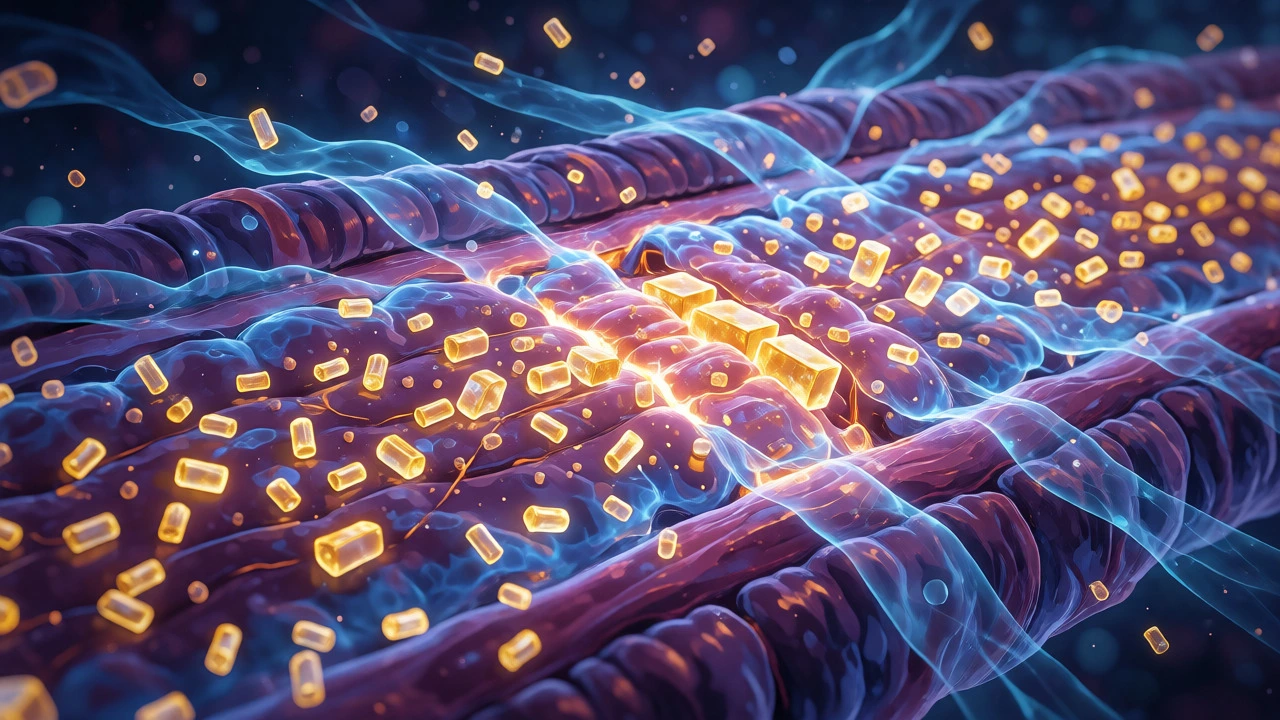
You can eat perfectly, but if you are dehydrated, your strength drops. Even 2% dehydration can impair physical performance. Water also transports nutrients to your cells. Aim for at least 3 liters a day, more if you sweat heavily.
Beyond water, pay attention to micronutrients. Magnesium deficiency is rampant and causes cramps and poor sleep. Zinc supports testosterone. Vitamin D impacts mood and bone health. Get sunlight, eat leafy greens, and consider blood work if you suspect deficiencies. Supplements like creatine monohydrate are well-researched for increasing power output and cellular hydration, providing a tangible boost to both strength and energy levels.
Sample Day of Eating
Let’s put this into practice. Here is a realistic day for someone aiming for muscle gain and stable energy:
Breakfast: Three eggs scrambled with spinach, topped with half an avocado. Side of oatmeal with walnuts. This provides slow-release energy and healthy fats for morning focus.
Lunch: Grilled salmon over quinoa with roasted broccoli. Drizzle with olive oil. The Omega-3s fight inflammation, while quinoa offers complete plant protein and fiber.
Pre-Workout Snack: One apple and a small serving of peanut butter. Quick sugar for energy, fat for satiety.
Post-Workout: Whey protein shake mixed with water and a ripe banana. Fast absorption to stop muscle breakdown.
Dinner: Lean beef stir-fry with bell peppers, onions, and brown rice. Beef provides iron and zinc, crucial for oxygen transport and hormonal health.
Before Bed (Optional): Casein protein or cottage cheese. Slow-digesting protein prevents overnight muscle catabolism.
This menu isn't rigid. Swap chicken for turkey, rice for pasta, or fish for tofu. The key is maintaining the macro ratios and food quality. Listen to your body. If you feel sluggish, check your carb intake or hydration. If you aren't recovering, check your total protein and sleep.
Do I need to eat every 3 hours to build muscle?
No, frequency matters less than total daily intake. While eating every 3-4 hours helps manage hunger and keeps amino acid levels elevated, you can achieve similar results with three larger meals if you prefer. The critical factor is hitting your total protein and calorie goals for the day.
Is keto good for muscle gain?
It can be, but it is difficult. Keto restricts carbs, which limits glycogen stores. This often reduces high-intensity performance and makes it harder to reach the high protein thresholds needed for maximal hypertrophy without excessive calories from fat. Most athletes find a moderate-carb approach more sustainable for energy and growth.
How much water should I drink?
Aim for 3-4 liters daily. Dehydration reduces strength and endurance. Urine color is a good indicator: pale yellow means you are hydrated; dark yellow means you need to drink more.
Are supplements necessary?
No, whole foods should always come first. However, creatine and whey protein are convenient and effective tools. Creatine improves power output, while whey helps hit protein targets easily. Multivitamins may help if your diet lacks variety, but they are not magic pills.
What if I am vegetarian?
You can absolutely build muscle. Combine complementary plant proteins like beans and rice to ensure a full amino acid profile. Use pea or soy protein powders to boost intake, and pay extra attention to B12, iron, and zinc levels.