Smart Casual Style Checker
Build your outfit piece by piece and get instant feedback on whether you've nailed the smart casual look.
Picture this: You’re heading to a Friday dinner at a nice restaurant, then catching drinks with friends. You don’t want to look like you’re going to a board meeting in a stiff suit, but wearing jeans and a graphic tee feels too sloppy. This is the classic dilemma that defines smart casual, a versatile dress code that balances polished sophistication with relaxed comfort. It’s the sweet spot between formal rigidity and weekend laziness.
If you’ve ever stood in front of your closet wondering if chinos count as smart enough or if sneakers are acceptable, you’re not alone. Smart casual is notoriously vague because it relies on context, fit, and personal flair rather than strict rules. But once you understand the core principles, it becomes the easiest way to look put-together without trying too hard.
The Core Philosophy: Fit Over Brand
The biggest mistake men make when attempting smart casual is focusing on expensive labels instead of how clothes sit on their body. A £200 shirt that hangs loosely on your shoulders looks worse than a £30 shirt tailored to your frame. Smart casual demands intentionality. Every piece should look like it was chosen, not just grabbed from the nearest hook.
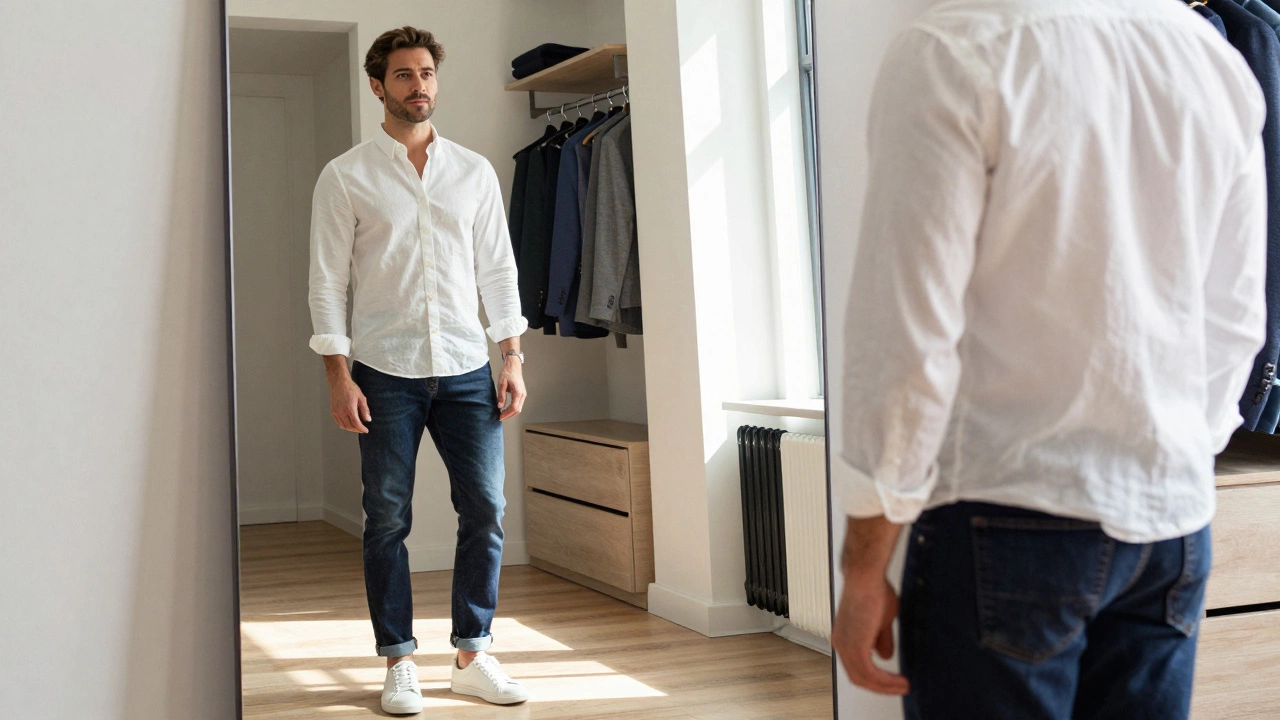
Fit is non-negotiable. Your trousers should break slightly at the shoe or sit cleanly above it-no bunching fabric around your ankles. Shirts should skim your torso without pulling at the buttons or sagging when you raise your arms. If you have to choose between buying one perfect-fitting pair of dark denim and three pairs of ill-fitting ones, choose the single pair. Quality over quantity isn’t just a slogan; it’s the foundation of this style.
Think about the silhouette. Smart casual favors clean lines. Avoid overly baggy cuts or skin-tight fits. Aim for a straight or slim-straight cut that respects your natural shape. This approach works whether you’re broad-shouldered or lean, because it creates balance.
Building the Foundation: Essential Wardrobe Staples
You don’t need a huge closet to master smart casual. You need a few high-quality anchors that mix and match easily. Here are the non-negotiables:
- Dark Denim: Indigo or black jeans with no distressing, fading, or rips. They elevate instantly compared to light-wash acid washes.
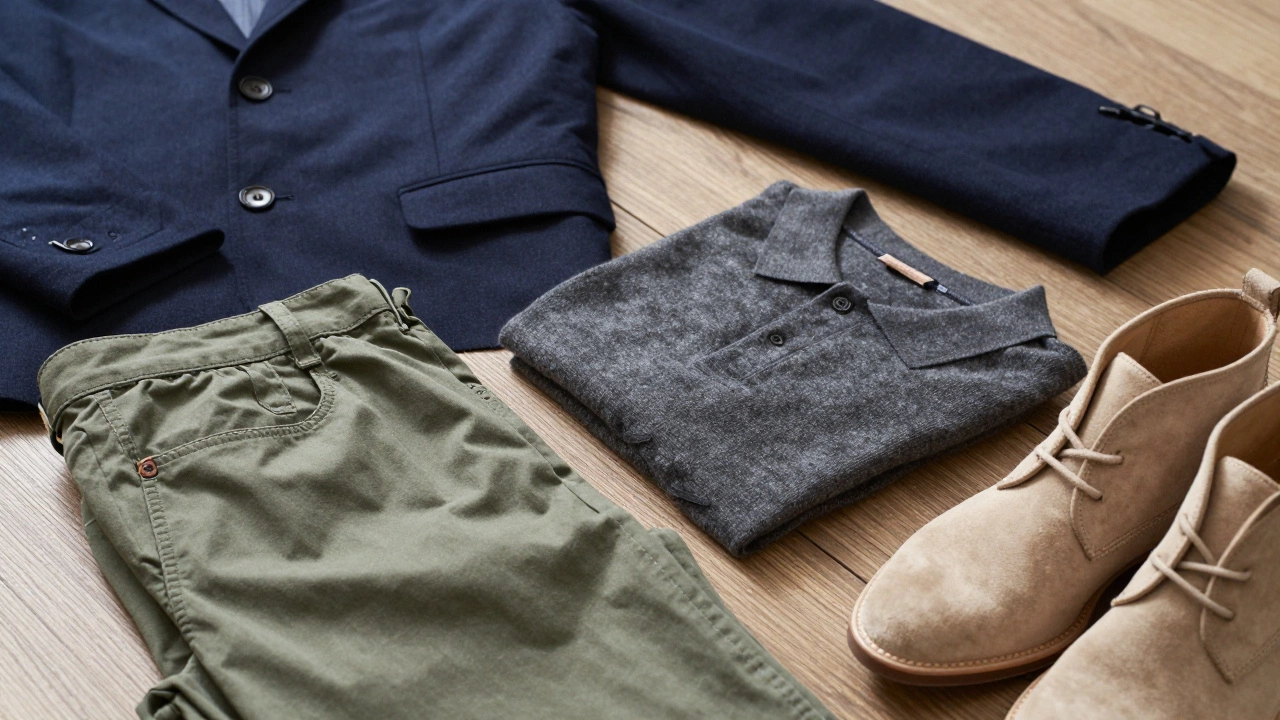
- Chinos: Neutral colors like olive, navy, beige, or grey. Cotton twill offers structure without stiffness.
- Oxford Cloth Button-Down (OCBD): White or light blue. It’s preppy but rugged enough to wear untucked with jeans or tucked with chinos.
- Polo Shirt: Pima cotton or merino wool blends. Stick to solid colors or subtle stripes. Avoid large logos.
- Blazer: Navy or charcoal unstructured blazers. These add instant polish to t-shirts and jeans.
- Clean Sneakers: Minimalist white leather sneakers or suede desert boots. No neon accents or worn-out soles.
These items work together seamlessly. A navy blazer goes with almost anything. Dark denim pairs well with both polos and button-downs. By investing in these basics, you reduce decision fatigue in the morning.
Fabric Matters More Than You Think
In smart casual, texture adds depth. A flat, shiny polyester shirt looks cheap, even if it’s brand new. Natural fibers breathe better and age gracefully. Look for cotton, linen, wool, and denim.
Linen is perfect for warmer months. It wrinkles easily, but that’s part of its charm-it signals relaxation. Wool isn’t just for winter suits; lightweight merino wool sweaters layer beautifully over shirts in spring and autumn. Denim provides durability and a casual edge that softens formal pieces like blazers.
Avoid synthetic blends unless they serve a specific function, like moisture-wicking for active days. For everyday smart casual, natural materials convey effortlessness because they move with your body and develop character over time.
Color Coordination: Keeping It Cohesive
Smart casual doesn’t mean boring, but it does mean controlled chaos. Start with a neutral base: navy, grey, white, beige, and olive. These colors play well together and allow you to introduce pops of color later.
Use the "rule of three" for accessories. If you’re wearing a patterned shirt, keep your tie (if any) and pocket square simple. If your shoes are bold, let your socks be understated. Contrast is key, but harmony is king.
Monochromatic outfits are surprisingly powerful. An all-navy look-a navy sweater, navy chinos, and navy loafers-looks sophisticated and elongates your frame. Just vary textures to avoid looking like a uniform.
Footwear: The Anchor of Your Outfit
Your shoes dictate the formality level more than your top half. Leather loafers or derby shoes push an outfit toward business casual. Clean white sneakers pull it back to casual. Desert boots sit right in the middle, making them ideal for smart casual.
Keep your footwear pristine. Scuffed leather looks neglected. Wipe down suede regularly. Rotate your shoes so they have time to air out between wears, extending their life and maintaining shape.
Avoid athletic running shoes unless you’re actually running. Even stylish joggers clash with tailored trousers. Stick to minimalist designs that complement rather than compete with your outfit.
Context Is King: Reading the Room
Smart casual varies by location and occasion. In a creative agency in London, a t-shirt under a blazer might be standard. In a traditional law firm’s summer party, you’d lean heavier on the oxford shirt and chinos.
When in doubt, overdress slightly. It’s easier to roll up your sleeves and remove a jacket than to add polish after arriving. Ask hosts for clarification if possible. "Smart casual" can mean different things to different people.
Consider the season. Heavy wool coats belong in winter; lightweight linens in summer. Layering allows adaptability. A vest under a shirt adds warmth without bulk. A scarf can transform a basic coat into a statement piece.
Common Pitfalls to Avoid
Even seasoned style enthusiasts slip up. Watch out for these frequent errors:
- Too Many Logos: Large branding screams insecurity. Let the cut and fabric speak for themselves.
- Wrinkled Clothes: Iron your shirts. Steam your trousers. Wrinkles suggest carelessness.
- Wrong Socks: No-show socks with loafers create a gap. Patterned socks with shorts look silly. Match sock length to shoe type.
- Over-accessorizing: One watch, maybe a ring. Don’t stack bracelets unless it’s intentional and cohesive.
- Ignoring Grooming: Clean nails, trimmed hair, and fresh breath complete the look. Clothes only go so far.
These small details separate those who try from those who succeed. Attention to detail shows respect for yourself and others.
Seasonal Adjustments: Adapting Your Style
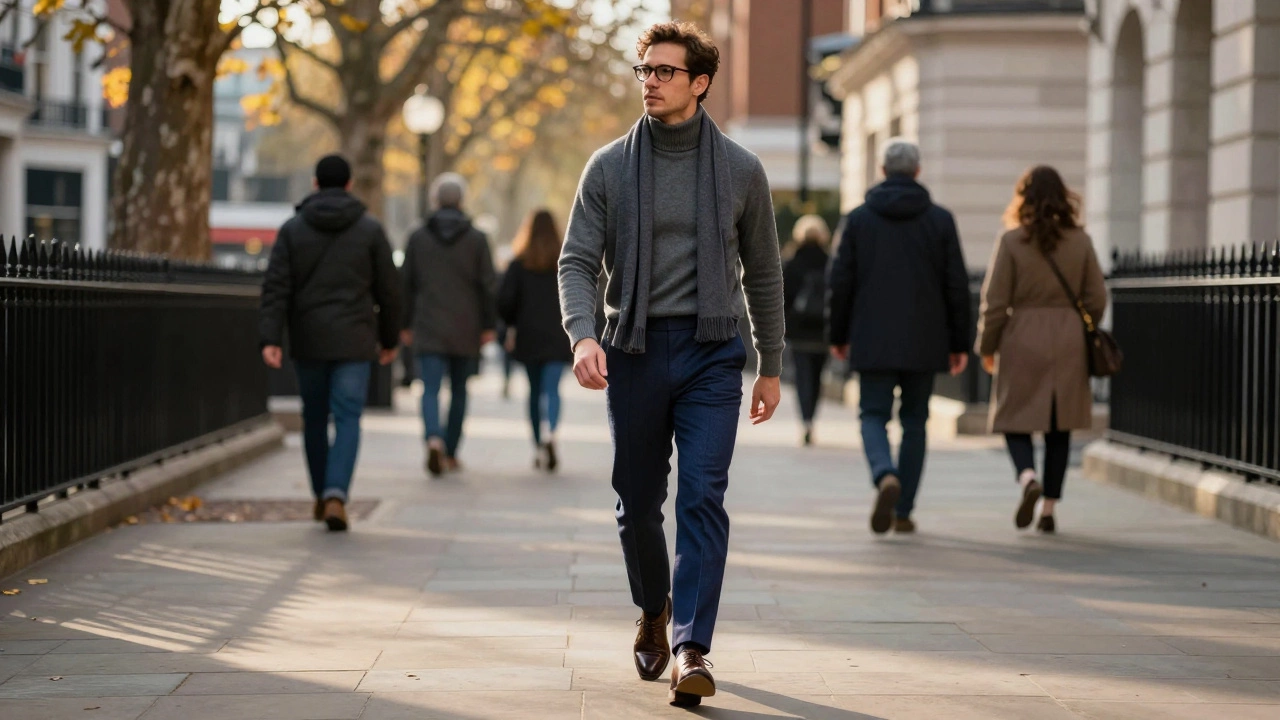
Winter smart casual leans on layers. Turtlenecks under blazers, chunky knit sweaters, and darker tones dominate. Leather jackets replace blazers for edgier vibes. Boots become essential.
Summer calls for breathability. Linen shirts, short-sleeve polos, and lighter fabrics take center stage. Roll up your sleeves. Wear open-collar shirts. Loafers or espadrilles keep feet cool.
Spring and autumn are transitional. Use cardigans, overshirts, and medium-weight jackets. These seasons allow experimentation with patterns and colors since temperatures fluctuate.
| Season | Top Layer | Bottom | Footwear |
|---|---|---|---|
| Spring | Lightweight Jacket | Chinos | Desert Boots |
| Summer | Linen Shirt | Shorts/Dark Denim | Loafers/Sneakers |
| Autumn | Sweater/Vest | Denim/Trousers | Derby Shoes |
| Winter | Coat/Blazer | Wool Trousers | Leather Boots |
Final Thoughts: Confidence Completes the Look
No outfit works if you feel uncomfortable in it. Smart casual is ultimately about expressing your personality within a framework of appropriateness. Experiment. Find what makes you feel confident. Wear clothes that fit your lifestyle, not just trends.
Start small. Swap one item at a time. Replace baggy jeans with dark denim. Trade a graphic tee for a polo. Build gradually. Over time, you’ll develop an instinct for what works.
Can I wear a t-shirt with smart casual?
Yes, but only plain, high-quality cotton tees in neutral colors. Pair them with a blazer or structured jacket to elevate the look. Avoid graphics, slogans, or faded fabrics.
Are jeans appropriate for smart casual events?
Absolutely, provided they are dark, clean, and free of rips or excessive fading. Light-wash or distressed jeans lean too casual for most smart casual settings.
What shoes should I avoid with smart casual?
Avoid athletic running shoes, flip-flops, heavily worn boots, or anything with bright neon accents. Stick to minimalist sneakers, loafers, derbies, or desert boots.
How do I know if my outfit is too formal?
If you’re wearing a full suit with a tie, you’re likely overdressed. Remove the jacket, swap the tie for an open collar, or change trousers to chinos to dial down the formality.
Is a belt necessary for smart casual?
Yes, if your trousers have belt loops. Choose a simple leather belt that matches your shoe color. Elastic waistbands or drawstrings are generally too casual for smart casual.