

Gentleman Code Self-Assessment
Walk into any room today, and you’ll notice a shift. The old rules of conduct-stiff collars, rigid hierarchies, unspoken silences-are fading. But does that mean manners are dead? Not at all. They’ve just evolved. At the heart of this evolution lies a concept often misunderstood: the gentleman code. It’s not about wearing a three-piece suit or knowing which fork to use for soup. It’s about something deeper: how we treat others, how we carry ourselves, and what kind of man we choose to be in a world that often rewards speed over substance.
Many people hear “gentleman” and think of outdated Victorian ideals or aristocratic privilege. That’s a fair reaction if you only look at the surface. But the true essence of being a gentleman has always been rooted in character, not class. In fact, the original definition from the Oxford English Dictionary describes a gentleman as someone who behaves with honor, integrity, and respect regardless of status. Today, that definition matters more than ever. We live in an era where digital interactions replace face-to-face conversations, where instant gratification overshadows patience, and where empathy is often sacrificed for convenience. The gentleman code offers a counterbalance-a framework for living with intention, dignity, and care.
The Origins of Gentlemanly Conduct
To understand what the gentleman code means today, it helps to look back at where it came from. The term “gentleman” originally referred to men of noble birth in medieval Europe. Over centuries, however, its meaning shifted. By the 18th century, especially during the Enlightenment period, thinkers like John Locke and Voltaire began emphasizing virtue over lineage. A gentleman wasn’t defined by his family tree anymore-he was defined by his actions.
This transition marked a turning point. Suddenly, anyone could become a gentleman through behavior alone. This idea spread across Europe and eventually influenced American culture too. Thomas Jefferson, one of America’s founding fathers, wrote extensively about civic virtue and moral responsibility. He believed that democracy depended on citizens who acted with decency and self-restraint. These values became embedded in Western notions of masculinity long before the word “gentleman” entered popular usage.
In Britain, figures like Beau Brummell helped shape modern etiquette. Known for his impeccable style and attention to detail, Brummell showed that appearance mattered-but only when paired with inner refinement. His influence extended beyond fashion; he demonstrated that true elegance comes from consistency between outward presentation and inward character. Fast forward to the 20th century, and icons like Cary Grant and James Stewart embodied these traits on screen, reinforcing the image of the well-mannered, thoughtful man.
So why bring up history? Because understanding roots gives us context. The gentleman code isn’t some arbitrary set of rules invented by snobs. It’s a living tradition shaped by philosophers, leaders, artists, and everyday people who valued kindness, courage, and accountability. And while times change, those core principles remain relevant.
Core Principles of the Gentleman Code
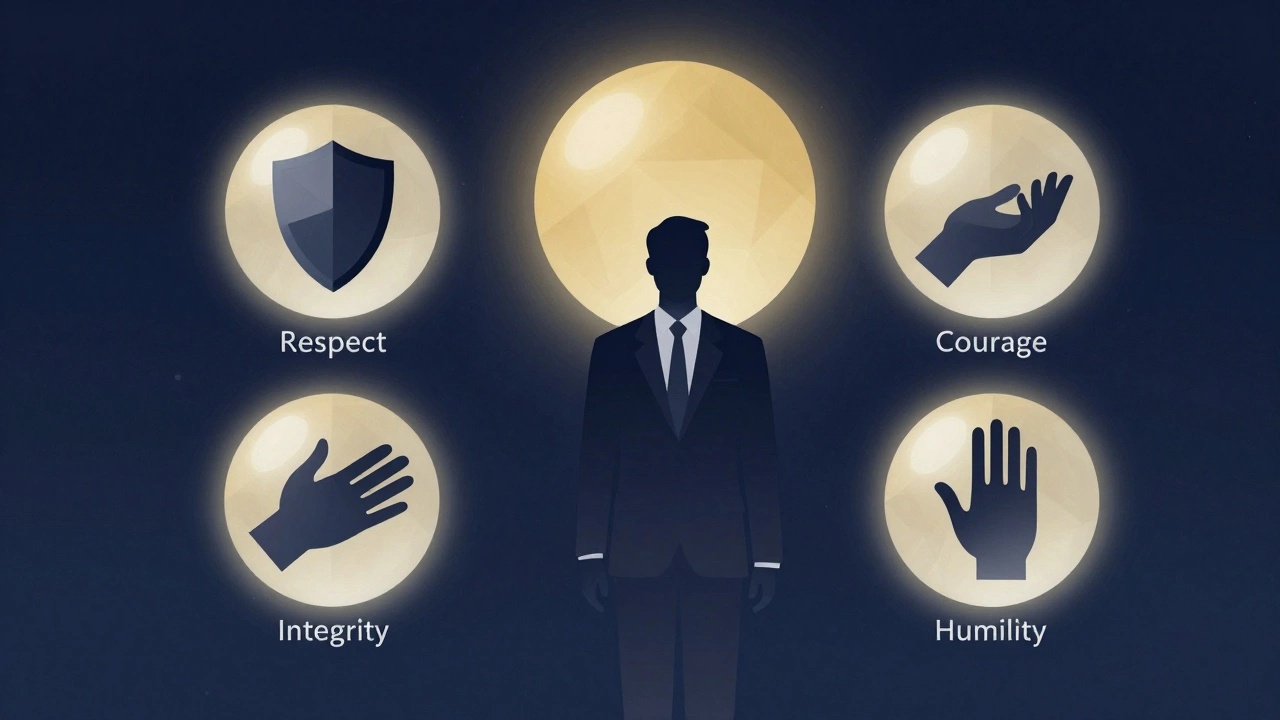
If you’re wondering what actually makes up the gentleman code, here are five foundational pillars:
- Respect: Treating everyone equally, whether they hold power or none at all. Listening without interrupting. Acknowledging differences without judgment.
- Integrity: Doing the right thing even when no one is watching. Keeping promises. Standing by your word.
- Empathy: Understanding other people’s feelings and perspectives. Offering support when needed. Avoiding cruelty disguised as humor.
- Courage: Speaking up against injustice. Taking responsibility for mistakes. Facing challenges head-on instead of running away.
- Humility: Recognizing your limitations. Being open to learning. Never assuming superiority based on wealth, education, or position.
These aren’t abstract ideas-they’re practical guidelines you can apply daily. Think about them next time you interact with someone online. Are you respectful in your comments? Do you admit when you’re wrong? Do you stand up for fairness, even if it costs you popularity?
Take the example of workplace dynamics. Many companies now emphasize emotional intelligence alongside technical skills. Why? Because employees who show empathy and integrity create better team environments. They reduce conflict, boost morale, and improve productivity. All signs point to one conclusion: gentlemanly qualities translate directly into professional success.
Or consider parenting. Children learn more from observation than instruction. When fathers model respectful communication, responsible decision-making, and compassionate behavior, their kids absorb those lessons naturally. You don’t need to lecture about morality-you just need to live it.

How the Gentleman Code Applies Today
You might wonder: Does any of this matter in 2026? After all, social media thrives on controversy, memes dominate conversations, and casual language reigns supreme. Yet beneath the noise, there’s still demand for authenticity. People crave genuine connection. They want partners, friends, colleagues, and leaders who act with sincerity and grace.
Consider dating apps. Swipe culture encourages superficial judgments based on photos and bios. But successful relationships require deeper qualities: trustworthiness, patience, active listening. Men who embody the gentleman code tend to build stronger bonds because they prioritize mutual respect over fleeting attraction.
Same goes for friendships. True companionship involves showing up consistently-not just when it’s convenient. Checking in after tough days. Celebrating wins without jealousy. Apologizing sincerely when hurt occurs. Again, these behaviors align closely with traditional gentlemanly virtues.
Even politics reflects this trend. Voters increasingly reject arrogance and entitlement. Instead, they favor candidates who demonstrate humility, transparency, and service-oriented leadership. Look at recent elections worldwide: candidates winning hearts weren’t necessarily polished speakers-they were relatable humans who treated staff kindly, admitted errors openly, and focused on shared goals rather than personal gain.
Technology also plays a role. Artificial intelligence raises ethical questions about privacy, bias, and automation. Developers designing systems must balance innovation with human-centered design. Ethical AI requires developers to think critically about impact-another reflection of gentlemanly responsibility.
Common Misconceptions About Gentlemen
Despite growing interest in positive masculinity, several myths persist around the gentleman code. Let’s debunk them:
- Myth #1: Only wealthy men can be gentlemen. False. Wealth doesn’t guarantee good character. Poverty doesn’t prevent it either. What matters is choice-the decision to act with honor despite circumstances.
- Myth #2: Gentlemen never express emotions. Wrong. Emotional restraint ≠ suppression. Healthy expression includes vulnerability, sadness, anger managed constructively. Suppressing feelings leads to resentment and poor mental health.
- Myth #3: Following the code means being boring. Nonsense. Confidence, wit, passion-all thrive within boundaries of respect. Some of history’s most charismatic individuals (e.g., Winston Churchill, Nelson Mandela) combined boldness with courtesy.
- Myth #4: Women shouldn’t adopt similar standards. Absolutely incorrect. Courtesy transcends gender. Everyone benefits from mutual respect, honesty, and compassion.
- Myth #5: Modern society rejects formality entirely. Partial truth. While casual dress codes prevail, formal occasions still exist (weddings, funerals, business meetings). Knowing appropriate attire shows awareness and consideration.
Addressing misconceptions clears path toward broader acceptance. Once people realize gentlemanliness equals strength-not weakness-they embrace it willingly.
Practical Steps to Embody the Gentleman Code
Want to start applying these principles immediately? Here’s actionable advice:
- Practice Active Listening: Put phone down during conversations. Maintain eye contact. Ask follow-up questions. Show curiosity about others’ experiences.
- Hold Doors Open: Small gestures signal attentiveness. Doesn’t cost anything except effort-and yields big returns in goodwill.
- Avoid Gossip: Talking behind backs damages reputations unnecessarily. If issue arises, address directly with involved parties.
- Dress Appropriately: Match outfit to occasion. Clean shoes, neat hair, ironed shirts convey professionalism and self-respect.
- Apologize Sincerely: Say sorry without excuses. Offer solutions moving forward. Follow through consistently.
- Volunteer Regularly: Give back community. Help neighbors, mentor youth, donate time/resources. Builds empathy and perspective.
- Read Widely: Expand knowledge base. Understand diverse cultures, histories, philosophies. Broadens worldview significantly.
Remember: Progress takes time. Start small. Focus improvement areas gradually. Celebrate victories along way.
Is the gentleman code exclusive to men?
No. While historically associated with male behavior, the underlying values-respect, integrity, empathy-apply universally. Anyone seeking to enhance interpersonal relationships can benefit from adopting such principles.
Can someone born into privilege automatically qualify as a gentleman?
Not necessarily. Privilege provides opportunities but doesn’t ensure character development. True gentlemanliness stems from conscious choices made daily, independent of background.
Does following the gentleman code limit freedom of expression?
Absolutely not. Freedom exists within bounds of responsibility. Expressing opinions respectfully enhances dialogue quality rather than restricting individuality.
Why do some view gentlemanly behavior as outdated?
Misinterpretation causes confusion. Outdated rituals may seem irrelevant, but core ethics endure. Modern adaptations preserve relevance without sacrificing essence.
How does technology affect adherence to the gentleman code?
Digital platforms amplify both positive and negative tendencies. Thoughtful posting, avoiding cyberbullying, respecting privacy exemplify contemporary applications of timeless virtues.