

Financial Health & Savings Estimator
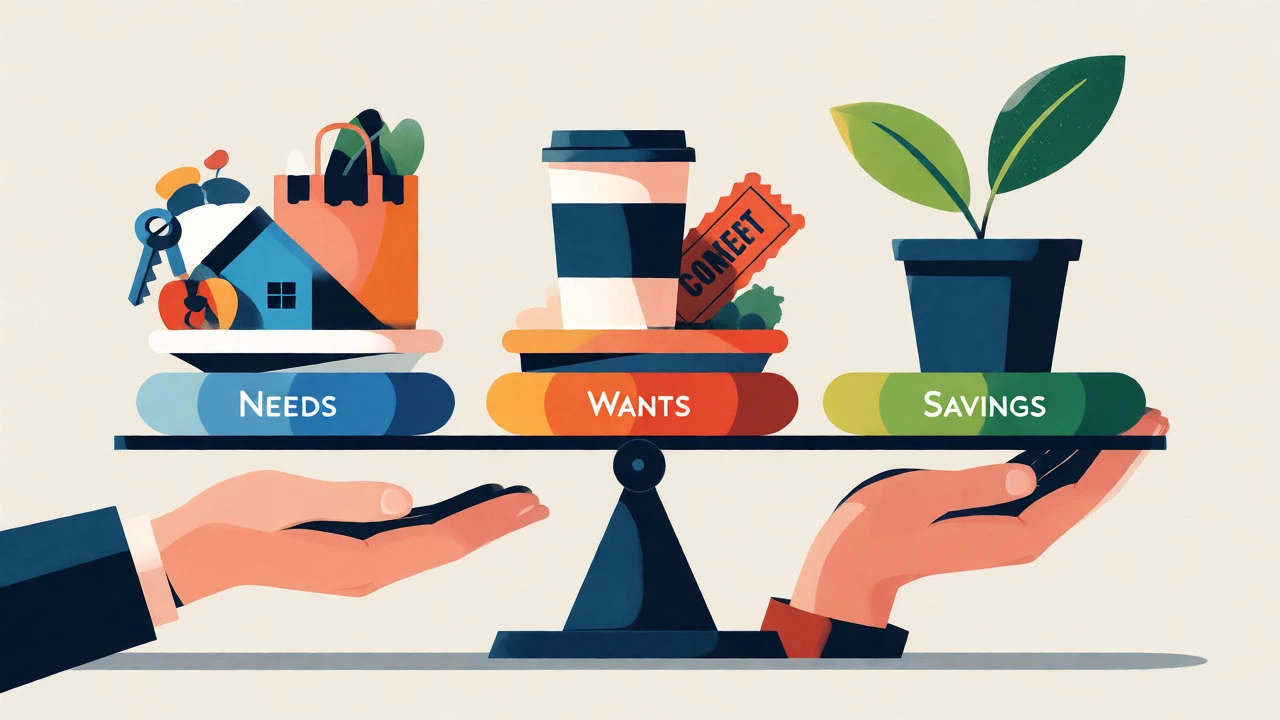
Based on the article's recommendation to allocate income into Needs, Wants, and Savings.
See how consistent investing beats inflation over time.
Estimated Balance in Years:
You know that sinking feeling when you check your bank balance on a Friday and wonder where the week went? It’s not just about how much you earn; it’s about how you handle what comes in. Most people think getting rich is about picking the right stock or landing a massive promotion. But if you look at who actually stays wealthy over decades, they’re usually boring. They do simple things consistently. Financial health isn't a destination you reach once; it's a daily practice. It’s built on small, repeatable actions that compound over time. If you want to sleep better at night and build real security, you need to stop treating money like a mystery and start treating it like a system.
The Power of Paying Yourself First
Most people spend their paycheck and save whatever is left. That’s backwards. By the time the month ends, there’s rarely anything left to save. The golden rule here is automation. You need to set up an automatic transfer from your checking account to your savings or investment account the day after payday hits. This method, often called "paying yourself first," removes willpower from the equation. You don’t have to decide to save; it just happens before you can spend it.
Think of it like paying a bill. Your future self is a creditor, and they deserve payment immediately. Start with 10% of your gross income. If that feels too tight, start with 5%. The amount matters less than the habit. Once you get used to living on 90% of your income, you won’t even notice the missing 10%. Then, every time you get a raise, increase the percentage by 1%. This way, lifestyle creep doesn’t eat your gains. You’re building wealth invisibly, without feeling deprived.
Budgeting Without the Boredom
People hate budgets because they feel restrictive. But a budget isn’t a diet; it’s a spending plan. It tells your money where to go instead of wondering where it went. One effective approach is the 50/30/20 rule. Allocate 50% of your after-tax income to needs (rent, groceries, utilities), 30% to wants (dining out, hobbies, subscriptions), and 20% to savings and debt repayment. This structure gives you permission to enjoy life while keeping the ship steady.
If tracking every coffee purchase sounds exhausting, try value-based spending. Identify the three things you genuinely care about-maybe it’s travel, good food, or tech gadgets-and cut costs ruthlessly on everything else. If you love fine dining, cook cheap meals at home so you can splurge on weekends. This aligns your spending with your values, making discipline feel less like punishment and more like choice.
| Method | Best For | Effort Level | Flexibility |
|---|---|---|---|
| 50/30/20 Rule | Beginners wanting simplicity | Low | High |
| Zero-Based Budgeting | Data lovers and strict savers | High | Low |
| Envelope System | Cash users struggling with overspending | Medium | Medium |
| Value-Based Spending | People who hate restriction | Medium | Very High |
Taming the Debt Monster
Debt drags down your financial momentum. Interest payments are essentially taxes on your past mistakes. To clear them efficiently, choose between the avalanche or snowball method. The avalanche method focuses on paying off debts with the highest interest rates first. Mathematically, this saves you the most money. The snowball method targets the smallest balances first. Psychologically, this provides quick wins that keep you motivated.
Which one should you pick? If you’re disciplined, go avalanche. If you need motivation, go snowball. Either way, stop adding new debt. Cut up the credit cards if you have to. Treat credit cards as debit cards: only spend what you already have in the account. Paying the statement balance in full every month avoids interest entirely. If you carry a balance, you’re working for the bank, not for yourself.
Building an Emergency Fund That Actually Works
Life is unpredictable. Cars break down, jobs vanish, and medical bills pop up unexpectedly. An emergency fund prevents these shocks from derailing your long-term goals. Aim for three to six months’ worth of essential expenses. This isn’t about covering luxuries; it’s about covering rent, food, and utilities.
Keep this money in a high-yield savings account. Regular checking accounts pay almost nothing, while high-yield accounts currently offer decent returns (around 4-5% in many markets). More importantly, separate it from your daily spending account. Out of sight, out of mind. If you have to log into a different app to access it, you’re less likely to impulse buy. When you do use it, prioritize replenishing it before resuming other investments.
Investing Early and Often
Saving alone won’t beat inflation. You need to invest to grow your wealth. Time is your biggest asset here. Thanks to compound interest, money invested in your 20s is worth significantly more than money invested in your 40s. Even small amounts matter. Investing £50 a month starting at age 25 can result in a substantial sum by retirement, far outweighing larger contributions made later in life.
You don’t need to be a stock-picking wizard. Low-cost index funds are a fantastic tool for most people. They track the entire market, offering diversification and low fees. Avoid trying to time the market. Instead, use dollar-cost averaging: invest a fixed amount regularly, regardless of price fluctuations. This smooths out volatility and removes emotional decision-making. Stay the course during downturns. Bear markets are sales events for stocks; don’t panic sell.

Mindset Shifts for Lasting Change
Your relationship with money is psychological. Many habits stem from childhood beliefs or social pressure. Keep up with the Joneses syndrome drives people to buy houses they can’t afford or cars that depreciate instantly. Ask yourself: "Do I want this, or do I want others to think I want this?"
Practice gratitude for what you already have. Studies show that grateful people tend to spend less impulsively. Also, educate yourself continuously. Read one personal finance book a year. Understand basic concepts like tax advantages, retirement accounts, and insurance needs. Knowledge reduces anxiety. When you understand how money works, you stop fearing it and start leveraging it.
Protecting Your Wealth
Building wealth is half the battle; keeping it is the other. Insurance is often overlooked but critical. Ensure you have adequate health, disability, and liability coverage. A single lawsuit or major illness can wipe out years of savings. Review your policies annually to ensure they still match your life situation.
Estate planning isn’t just for the elderly. Draft a simple will. Name beneficiaries on your accounts. These steps prevent legal headaches for your family and ensure your assets go where you intend. Small administrative tasks now save huge stress later.
Frequently Asked Questions
How much should I save each month?
Aim for at least 20% of your net income. However, consistency beats intensity. Starting with 5% and increasing gradually is better than aiming for 20% and quitting after two months. Adjust based on your debt levels and financial goals.
Is it better to pay off debt or invest?
Generally, pay off high-interest debt (like credit cards) first, as the interest rates usually exceed investment returns. For low-interest debt (like mortgages), investing may yield higher returns. Balance both if possible, prioritizing employer matching in retirement plans.
What is the best emergency fund size?
Three to six months of essential living expenses is the standard recommendation. Freelancers or those with unstable incomes might aim for nine to twelve months. Single-income households may also benefit from the higher end of the range.
Do I need a financial advisor?
Not necessarily. For simple situations, DIY tools and online resources suffice. Consider an advisor if you have complex tax issues, significant assets, or lack time/desire to manage finances. Ensure they are fee-only fiduciaries to avoid conflicts of interest.
How does inflation affect my savings?
Inflation erodes purchasing power over time. If inflation is 3% and your savings account pays 1%, you're losing real value. This is why investing in assets that historically outpace inflation (like stocks or real estate) is crucial for long-term growth.