Modern Gentleman Traits Assessment
Active Listening
Do you listen to understand rather than just waiting for your turn to speak?
Emotional Regulation
Can you manage frustration without aggression or intimidation?
Inclusivity
Do you treat everyone with equal respect, regardless of their status?
Accountability
Do you own your mistakes sincerely without making excuses?
Digital Etiquette
Do you practice restraint and kindness online?
Your Modern Gentility Score
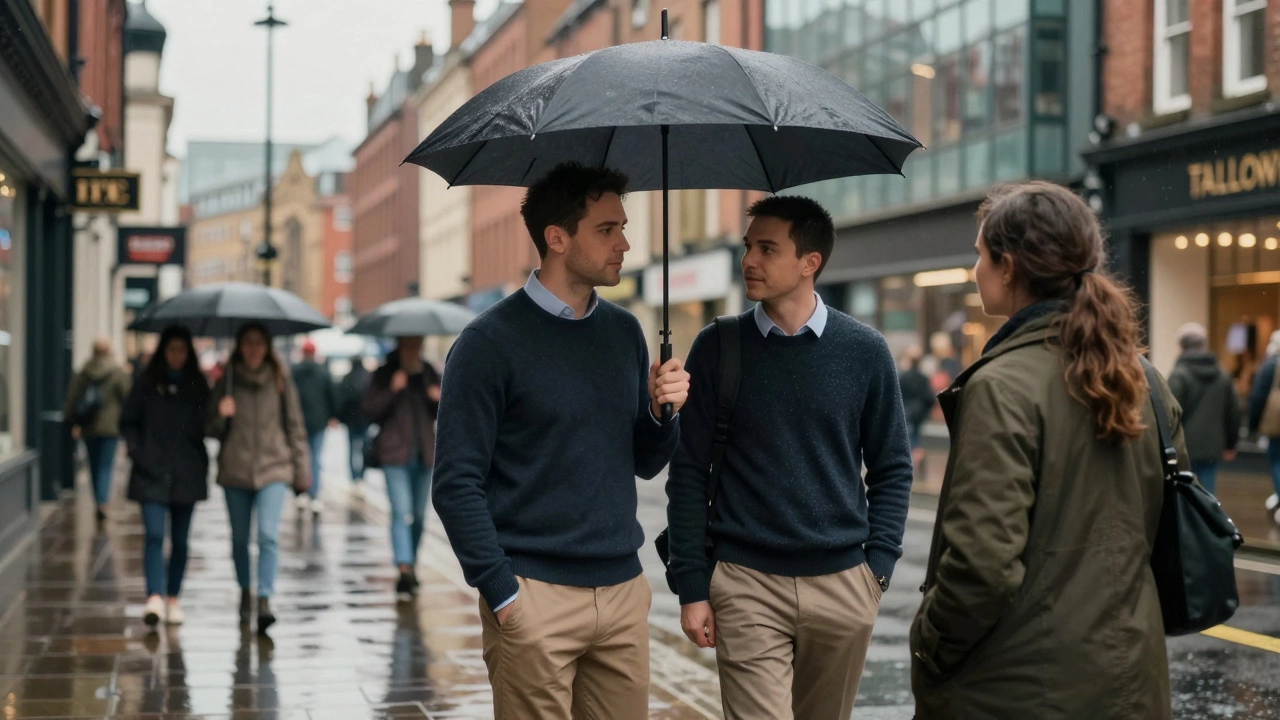
Walk down any high street in Leeds or scroll through your social media feed, and you’ll notice a shift. The stiff upper lip, the monocle, and the rigid rules of Victorian conduct seem to have vanished. But does that mean the concept of the gentleman is dead? Or has it simply evolved into something more practical, more human, and far less performative?
The short answer is yes, gentlemen still exist. But if you’re looking for them based on outdated stereotypes-men who never raise their voice, always wear suits, and defer blindly to authority-you won’t find many. The modern definition of a gentleman has undergone a radical transformation. It’s no longer about status, wealth, or adherence to archaic codes of silence. Today, being a gentleman is about emotional intelligence, consistent respect, and the quiet confidence to treat everyone with dignity, regardless of their background.
The Evolution from Status to Character
To understand where we are, we have to look at where we came from. Historically, the term "gentleman" was tied to class and land ownership. In the 19th century, it described a man of good family who did not need to work for a living. This created a culture of exclusion. If you weren’t born into privilege, you couldn’t be a gentleman. You could only mimic the behaviors.
This historical baggage caused the term to lose its moral weight for decades. As society moved toward equality and meritocracy, the old definitions felt like tools of oppression rather than guides for good behavior. Many people began to view "chivalry" as patronizing-a way for men to assert dominance under the guise of protection.
However, language adapts. Just as "cool" changed meaning from temperature to cultural approval, "gentleman" has shed its aristocratic skin. Now, it refers to a set of behaviors accessible to anyone, regardless of income or education. It’s a choice, not a birthright. The modern gentleman is defined by his actions, not his ancestry. He understands that respect is a two-way street, not a hierarchy.
Core Traits of the Modern Gentleman
So, what does this actually look like in 2026? It’s not about opening car doors (though that’s nice). It’s about deeper, more consistent habits. Here are the pillars of modern gentlemanly conduct:
- Active Listening: He doesn’t wait for his turn to speak. He listens to understand, not to reply. In a world of constant digital noise, giving someone your undivided attention is a rare gift.
- Emotional Regulation: He manages his temper. Anger might be natural, but lashing out is a choice. A gentleman communicates frustration without aggression, recognizing that intimidation is weak, not strong.
- Inclusivity: He treats the CEO and the barista with the same level of respect. His kindness isn’t transactional; he’s not nice to service staff just because they might serve him later. He’s nice because they deserve it.
- Accountability: When he makes a mistake, he owns it. No excuses, no blaming others. He apologizes sincerely and changes his behavior. This builds trust, which is the currency of modern relationships.
- Situational Awareness: He reads the room. He knows when to make a joke and when to stay silent. He respects boundaries, both physical and emotional, without needing to be told repeatedly.
These traits aren’t about gender roles. They’re about human decency. Interestingly, these qualities are often associated with leadership and emotional intelligence, skills that are highly valued in both personal and professional settings today.
Chivalry vs. Equality: Finding the Balance
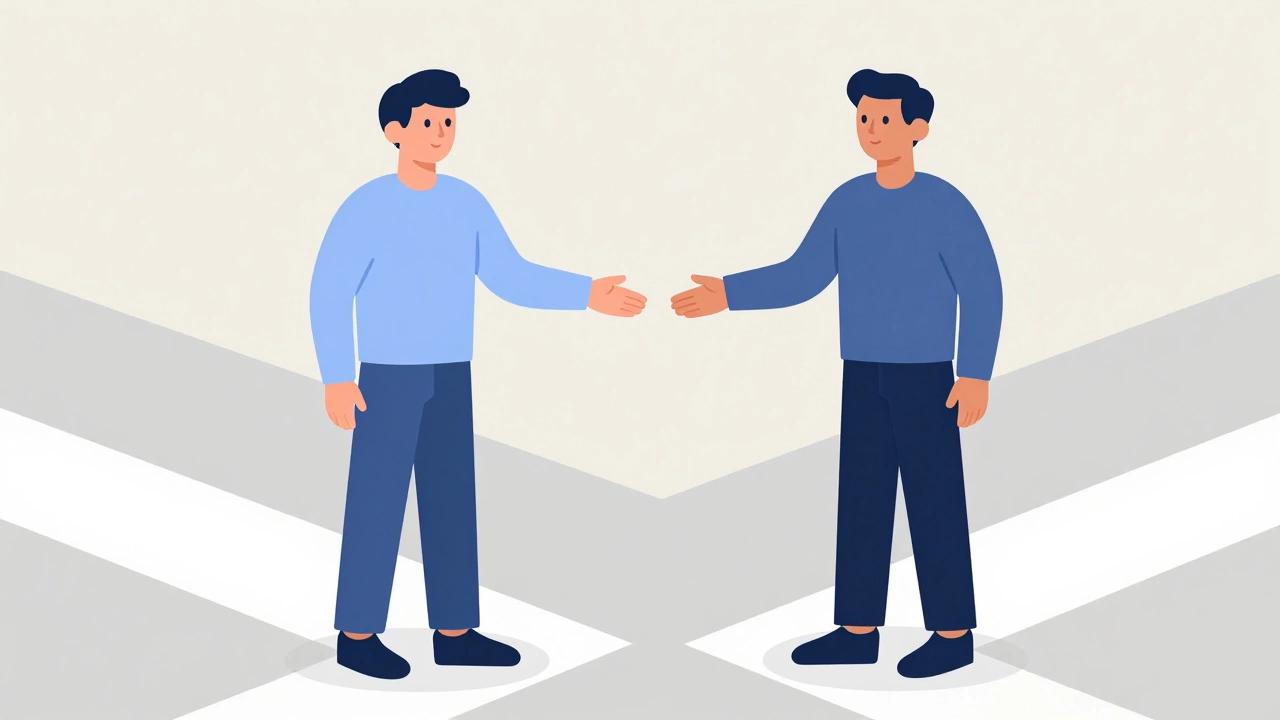
One of the biggest debates surrounding modern masculinity is the place of chivalry. Some argue that traditional chivalry implies women are weaker or incapable. Others miss the romance of it. The truth lies in the middle: consent-based courtesy.
Old-school chivalry assumed women needed help carrying heavy bags or navigating dark streets. Modern courtesy asks first. "Would you like me to hold that door?" "Are you comfortable walking home alone?" It respects agency. If the answer is no, the gentleman accepts it gracefully without making the other person feel guilty.
This shift reflects broader societal changes. We’ve moved from a patriarchal model to a partnership model. In relationships, friendships, and workplaces, the goal is mutual support, not one-sided protection. The modern gentleman recognizes that strength isn’t about dominating a situation; it’s about creating an environment where everyone feels safe and respected.
Digital Etiquette: The New Frontier
If Victorian gentlemen struggled with telegraph etiquette, modern men face the challenge of digital communication. How do you act like a gentleman online? It’s harder than it sounds because text lacks tone, and anonymity breeds cruelty.
A key aspect of modern gentlemanly behavior is digital restraint. This means:
- Not engaging in public arguments on social media.
- Respecting privacy by not sharing others’ photos or conversations without permission.
- Using emojis and punctuation to convey warmth, not sarcasm.
- Knowing when to step away from the screen and engage in real-life conversation.
In Leeds, as in London or New York, I’ve seen how quickly online interactions can sour. A gentleman protects his peace and the peace of others. He doesn’t troll, he doesn’t gossip behind screens, and he uses technology to connect, not to isolate. He understands that every post, comment, and message leaves a trace, and he chooses to leave a positive one.
Why This Matters in 2026
You might wonder why we need to revive this term at all. Why not just say "be a good person"? Because "good person" is vague. "Gentleman" provides a framework for specific behaviors that counteract toxic trends. We live in an era of polarization, where anger sells clicks and empathy is often seen as weakness.
Reclaiming the word "gentleman" helps us articulate a standard of conduct that is both aspirational and achievable. It gives young men a role model that isn’t based on aggression or material success. It shows that true power lies in self-control and kindness. For women and non-binary individuals, it signals a partner or colleague who will respect their autonomy and intellect.
Moreover, it benefits the man himself. Studies in psychology consistently show that prosocial behavior-acting for the benefit of others-leads to greater happiness and lower stress levels. Being a gentleman isn’t a burden; it’s a strategy for a better life. It builds stronger communities, healthier relationships, and a more peaceful internal world.

Practical Steps to Embrace Modern Gentility
If you want to embody these values, start small. You don’t need to change your personality overnight. Focus on consistency.
- Practice the "Pause": Before reacting to an insult or inconvenience, take three seconds. Ask yourself: "Is this worth my energy?" Often, the answer is no.
- Learn to Say Thank You: Appreciation is powerful. Thank your colleagues, your family, and strangers. Be specific about what you appreciate.
- Respect Boundaries: If someone says no, accept it immediately. Don’t negotiate. Don’t guilt-trip. Respect is the foundation of trust.
- Stay Curious: Listen to perspectives different from your own. Ask questions instead of making assumptions. Curiosity bridges divides.
- Dress with Intent: While style is subjective, taking care of your appearance shows respect for yourself and those around you. It doesn’t mean wearing a suit, but it means being presentable and intentional.
Remember, gentility isn’t about perfection. It’s about effort. Everyone slips up. The difference is that a gentleman acknowledges the slip and tries to do better next time.
The Future of Masculinity
We are seeing a renaissance of thoughtful masculinity. Men are increasingly open about mental health, vulnerability, and emotional connection. This aligns perfectly with the modern gentleman ideal. Strength is no longer measured by stoicism but by resilience and authenticity.
In Leeds, I see this in local community groups, in workplaces that prioritize well-being, and in friendships that value deep conversation over superficial banter. The trend is global, but it starts locally. Every interaction is an opportunity to practice these values.
So, do gentlemen still exist? Yes. But they’re not hiding in clubs or mansions. They’re in coffee shops, offices, parks, and online spaces, choosing kindness over convenience, respect over rightness, and connection over isolation. They’re everywhere, if you know what to look for. And the best part? You can become one too.
Is being a gentleman only for men?
No. The behaviors associated with being a gentleman-respect, empathy, accountability, and kindness-are universal human virtues. Anyone, regardless of gender, can embody these traits. The term "gentleman" is historically male-coded, but the underlying principles apply to everyone seeking to improve their interpersonal conduct.
What is the difference between chivalry and modern courtesy?
Traditional chivalry often assumed inequality, with men protecting women who were seen as vulnerable. Modern courtesy is based on equality and consent. It involves offering help or respect while respecting the other person’s autonomy to accept or decline. It’s about mutual respect rather than hierarchical protection.
Can a wealthy person be a gentleman if they are rude?
No. Wealth does not equate to character. A gentleman is defined by his behavior and treatment of others, not his financial status. In fact, history shows that many people of high status failed to meet basic standards of decency. True gentility comes from consistent, respectful actions, regardless of income.
How do I handle conflict like a gentleman?
Handle conflict by staying calm, listening actively, and avoiding personal attacks. Focus on the issue, not the person. Use "I" statements to express your feelings without blaming others. If you’re wrong, apologize sincerely. The goal is resolution and understanding, not winning the argument.
Why is digital etiquette important for modern gentlemen?
Digital spaces are extensions of our social lives. Poor online behavior, such as trolling, harassment, or spreading misinformation, harms communities and reputations. A modern gentleman practices digital restraint, respects privacy, and uses technology to foster positive connections rather than fuel division.