Hat Etiquette Decision Tool
Scenario Details
Ready to Check
Select your scenario and click check.
Picture this: you walk into a cozy pub in Leeds for a quick pint, or perhaps you’re heading into a job interview at a corporate office. You’ve got your favorite cap on. Do you take it off? The answer isn’t as simple as "yes" or "no." It depends entirely on where you are, who you’re with, and what kind of hat you’re wearing.
We live in an era where rules are constantly bending. What was once a strict mandate-men must remove headwear indoors-is now a nuanced dance between respect, fashion, and comfort. Getting it wrong can make you look rude; getting it right shows you understand the room. Let’s break down exactly when that hat comes off and when it stays on.
The Golden Rule: Respect the Space
At its core, removing your hat is about showing respect. Historically, knights removed their helmets to show they were not a threat. Today, we translate that into removing hats to show we are open, attentive, and respectful of the space we occupy. However, the definition of "respect" changes based on the setting.
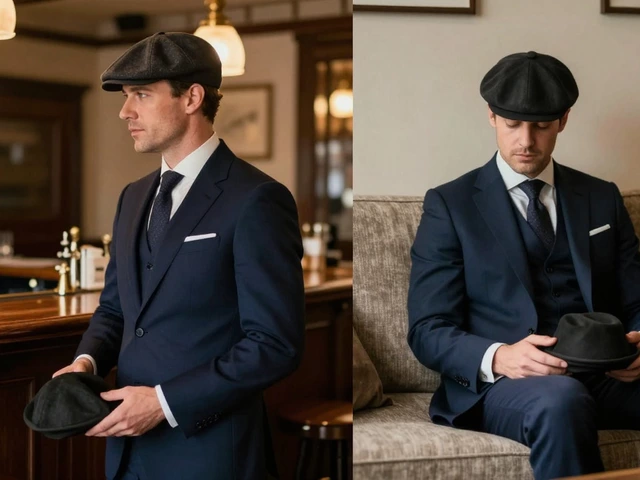
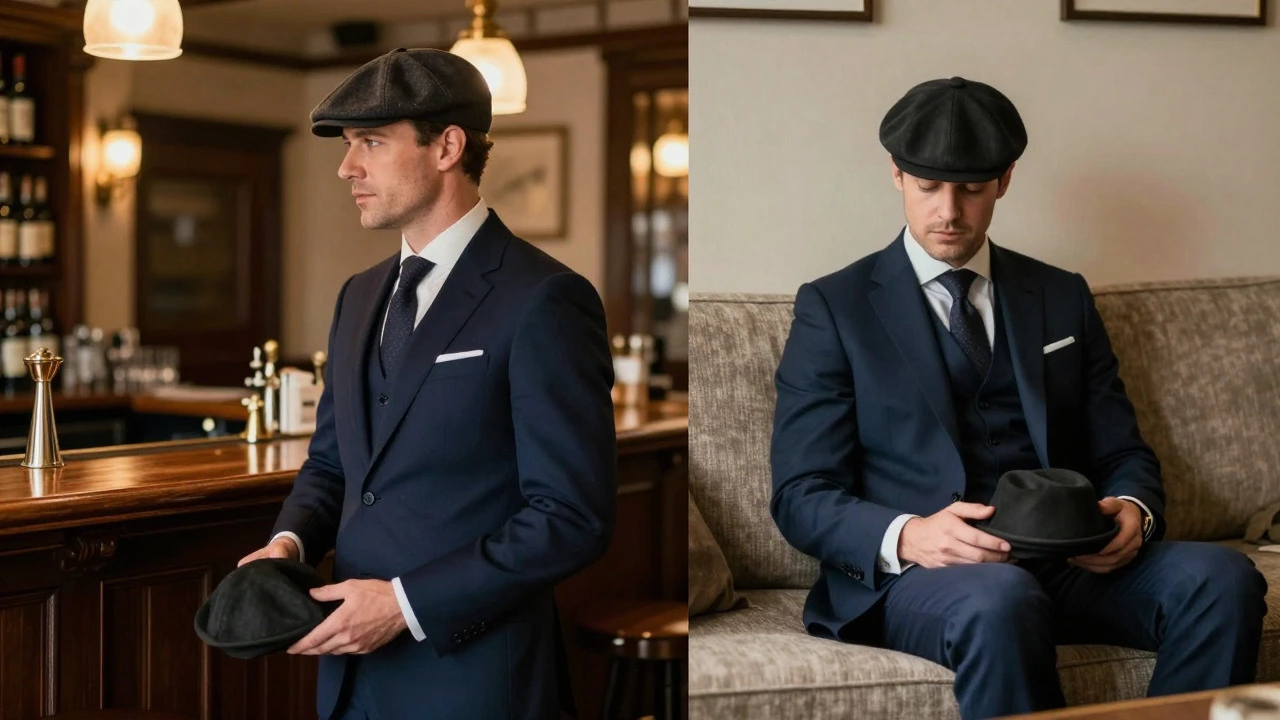
In formal settings, such as traditional business environments, government buildings, and fine dining restaurants, the old rules still hold heavy weight. If you are walking into a boardroom, a courtroom, or a traditional restaurant with a white-tablecloth service, your hat should be in your hand or on your coat rack before you cross the threshold. Leaving it on signals that you are prioritizing your style over the formality of the occasion.
- Business Meetings: Always remove your hat. It creates a barrier between you and your counterpart. Eye contact is crucial, and a brim can obscure your face.
- Dining Out: In casual eateries like burger joints or food courts, your cap is fine. In upscale dining, take it off. Waitstaff will often cue you by removing their own hats (if they wear them) or by the general decorum of the room.
- Religious Buildings: This varies wildly by religion. In Christian churches, men traditionally remove hats. In Jewish synagogues, men often cover their heads with kippahs or fedoras. In Muslim mosques, both men and women may cover their heads. When in doubt, watch what others do.
The Casual Exception: Where Hats Stay On
Life isn’t always formal. In fact, most of our daily interactions happen in casual spaces where hat etiquette has relaxed significantly. The rise of streetwear culture has made caps and beanies acceptable in places that would have been unthinkable twenty years ago.
If you are hanging out at a friend’s house, sitting in a cinema, or waiting in a bank queue, your hat generally stays on. These are transient or informal spaces. No one expects you to perform a ritual of removal just because you stepped inside a building. The key here is context. Are you interacting closely with someone? If you’re shaking hands, a quick nod and a verbal greeting might suffice without removing the hat, but if you’re sitting down for a long conversation, consider taking it off to show engagement.
| Scenario | Action | Reasoning |
|---|---|---|
| Job Interview | Remove | Shows professionalism and openness |
| Gym / Sports Bar | Keep On | Casual environment; part of athletic attire |
| Wedding Ceremony | Remove | Respect for the couple and solemnity of event |
| Cinema / Theater | Keep On | Transient space; minimal interaction |
| Doctor's Office | Remove | Professional/medical setting requires clear identification |
Type of Hat Matters
Not all headwear is created equal. The type of hat you are wearing drastically changes the expectation. A baseball cap is viewed differently than a wide-brimmed sun hat or a religious headdress.
Baseball Caps are casual sportswear items often associated with youth culture and leisure activities. They are widely accepted indoors in casual settings. However, wearing a dirty or worn-out cap in a professional setting sends a message of sloppiness. A clean, structured cap is more likely to be tolerated in a semi-formal environment than a faded, stretched-out one.
Beanies and knit caps are tricky. In winter, they are functional. In summer, they are purely stylistic. If you’re indoors and warm, keeping a beanie on can signal that you are trying too hard to maintain a "cool" image rather than adapting to the comfort of the room. Sun hats and wide-brimmed styles are usually treated as accessories. Women, in particular, have more leeway with decorative hats indoors, especially at events like weddings or garden parties, where the hat is part of the outfit’s aesthetic.

Cultural and Regional Nuances
Etiquette is deeply tied to culture. In the United Kingdom, where I spend much of my time, there is a lingering sense of tradition. Older generations may still frown upon a man wearing a cap into a shop or a post office. In contrast, in parts of the United States, particularly in the South or in urban centers with strong hip-hop influences, wearing a cap indoors is commonplace and rarely questioned.
In Asian cultures, removing shoes is a bigger deal than removing hats. In many Middle Eastern countries, covering the head is a sign of modesty and respect, so removing a hat might actually be the rude action depending on the gender and religious context. Always observe local customs. If you are traveling, a quick mental check of the dominant cultural norm will save you from awkward stares.
Gender Dynamics in Hat Etiquette
Historically, hat rules were stricter for men. Men were expected to remove hats as a sign of submission and respect. Women, however, were often encouraged to keep their hats on, especially if the hat was considered part of their formal attire. This double standard has largely disappeared in modern times.
Today, the rules are more egalitarian. Both men and women are expected to remove hats in formal, professional, or religious settings unless the hat is a specific cultural or religious requirement. However, women still have slightly more freedom with decorative headpieces at social events. A fascinator at a wedding, for example, is expected to stay on. A baseball cap on a woman at the same wedding might be seen as too casual, regardless of gender rules.
Reading the Room: The Ultimate Guide
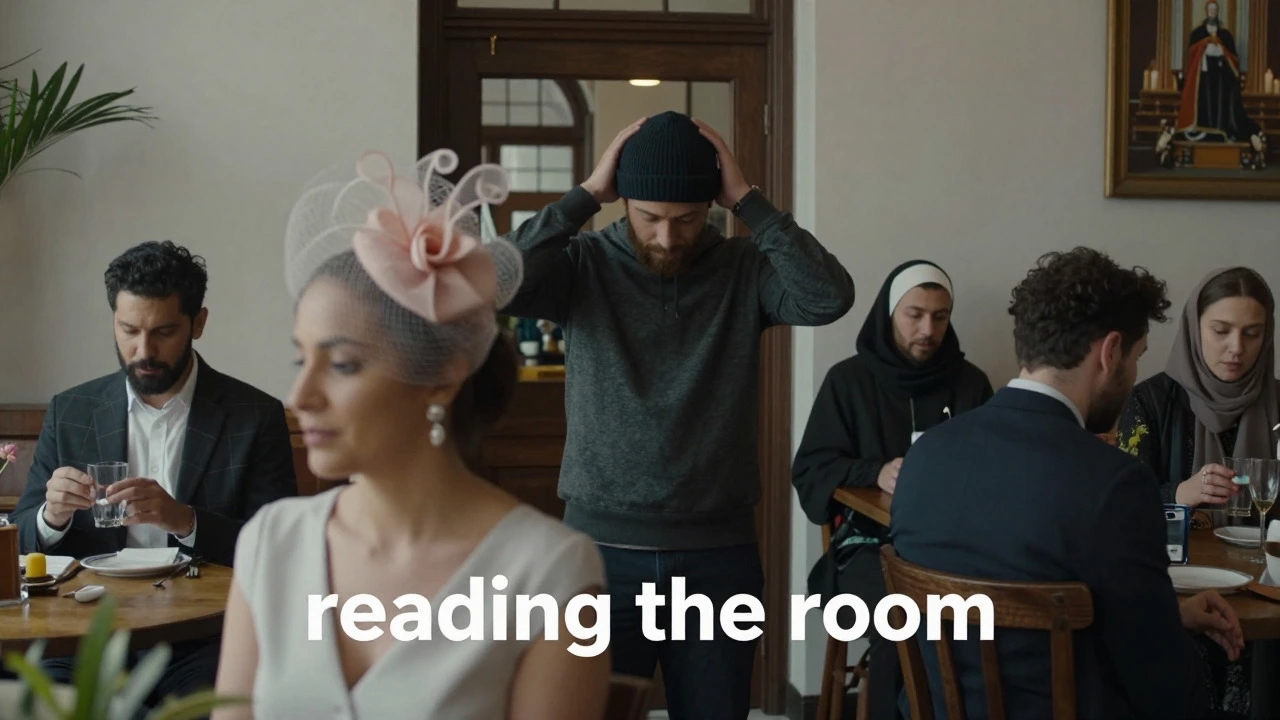
When in doubt, use your eyes. Look around. Are other people wearing hats? If everyone else is bare-headed, you probably should be too. If you are the only one with a hat on, ask yourself why. Is it because it’s cold? Is it because you’re hiding a bad hair day? Or is it because you’re unaware of the norm?
Another tip: follow the host’s lead. If you are invited to someone’s home, wait to see if the host removes their hat. If they do, you should too. If they don’t, you are safe to keep yours on. This applies to offices as well. If your boss wears a cap to work, it’s likely acceptable for you to do so. If your CEO is always bare-headed, match that energy.
Finally, consider the activity. If you are playing darts, watching sports on TV, or working out, your hat is part of your gear. Keep it on. If you are eating a multi-course meal, giving a presentation, or attending a funeral, take it off. The activity dictates the attire.
Common Mistakes to Avoid
Avoid these pitfalls to ensure you never look out of place:
- The Brim Block: Never wear a cap with the brim pulled low enough to obscure your eyes during a conversation. It makes you look disinterested or arrogant.
- The Dirty Cap: A stained or smelly hat is offensive anywhere. Cleanliness matters more than the rule itself.
- The Mixed Signal: Don’t wear a tuxedo with a baseball cap unless you are making a very specific, intentional fashion statement that fits the venue (like a creative industry awards show).
- The Hesitation: If you are unsure, take it off. It is better to be overly polite than accidentally rude. You can always put it back on if the vibe is clearly casual.
Modern Workplace Trends
The workplace has changed dramatically since the pandemic. Remote work and hybrid models have blurred the lines of professional dress. Many tech companies and startups operate in a "business casual" or even "athleisure" environment where hats are common. However, client-facing roles remain more conservative.
If you work in a creative field like design, marketing, or music, your hat is likely seen as an extension of your personal brand. In finance, law, or healthcare, it is seen as a distraction. Know your industry. A doctor wearing a cap in an exam room might seem unprofessional to some patients, while a construction worker wearing a hard hat (a type of protective headwear) is required to keep it on for safety, which overrides etiquette.
Should I take my hat off when entering a church?
In most Christian denominations, men are expected to remove their hats as a sign of respect. Women may keep decorative hats on, but plain caps are often discouraged. In Jewish synagogues, men typically cover their heads with a kippah or hat. In Muslim mosques, head covering is common for both genders. Always observe local practices or ask beforehand.
Is it rude to wear a baseball cap in a restaurant?
It depends on the type of restaurant. In fast-food chains, diners, and casual cafes, wearing a cap is perfectly acceptable. In fine dining establishments, steakhouses, or places with a dress code, you should remove your hat when seated. If you are unsure, watch what other patrons are doing.
Do women need to remove their hats indoors?
Traditionally, women had more flexibility and could keep decorative hats on indoors. Today, the rules are similar for men and women in professional and formal settings: remove the hat. However, women may still wear elaborate hats or fascinators at events like weddings or horse races as part of the outfit.
Can I wear a hat to a job interview?
Generally, no. Unless you are interviewing for a role in fashion, sports, or a creative industry where headwear is part of the uniform, you should remove your hat. It ensures clear eye contact and projects a professional image. Bring it in, take it off, and hang it up.
What if I have a medical reason to wear a hat indoors?
Medical conditions such as alopecia, sensitivity to light, or recent surgery may require you to wear a hat indoors. In these cases, etiquette takes a backseat to health. Most people will understand, especially if you mention it briefly if asked. Comfort and health always come first.