
Personalized Exfoliation Guide
Oily/Acne-Prone
Shiny face, frequent breakouts, large pores.
Normal/Combo
Balanced moisture, occasional shine in T-zone.
Dry/Sensitive
Tight feeling, flaking, easily irritated or red.
Beard Area
Focus on ingrown hairs, itchiness, or beardruff.
Exfoliate .
Over-exfoliating can damage your skin barrier. Stick to this schedule.
Best Method
Key Benefits
Most men scrub their faces with enough force to sand down a deck, thinking they’re cleaning off the day’s grime. Spoiler alert: you’re probably damaging your skin barrier instead of helping it. Over-exfoliation is one of the most common mistakes in men’s grooming, leading to redness, breakouts, and that tight, uncomfortable feeling after washing up.
The short answer to how often should men exfoliate depends entirely on your skin type and the method you use. For most guys with normal or oily skin, twice a week is the sweet spot. If you have sensitive skin, once a week-or even every other week-is safer. Dry skin types might only need to exfoliate once every ten days. Getting this right means smoother shaves, fewer ingrown hairs, and a clearer complexion without the irritation.
| Skin Type | Frequency | Best Method | Key Benefit |
|---|---|---|---|
| Oily/Acne-Prone | 2-3 times/week | Chemical (BHA) | Unclogs pores, reduces shine |
| Normal/Combination | 1-2 times/week | Gentle Physical or AHA | Brightens, smooths texture |
| Dry/Sensitive | Once every 7-10 days | Enzyme or Mild AHA | Removes flakes without stripping |
| Beard Area | 2 times/week | Physical Scrub + Oil | Prevents ingrown hairs |
Why Exfoliation Matters for Men
Your skin sheds dead cells naturally, but as we age, this process slows down. Without help, those dead cells build up, creating a dull appearance and clogging pores. For men, who often have thicker skin and more active sebaceous glands than women, this buildup can be particularly noticeable. Exfoliation accelerates cell turnover, revealing fresher, brighter skin underneath.
It also solves practical problems. Ever struggled with razor burn or those pesky ingrown hairs along your jawline? That’s often caused by dead skin trapping hair follicles. Regular exfoliation clears the path for your razor, making shaving smoother and reducing inflammation. It also helps skincare products like moisturizers and serums penetrate deeper, so you actually get value from what you buy.
Physical vs. Chemical Exfoliants: Which One Do You Need?
Not all exfoliants work the same way. Understanding the difference between physical and chemical options is crucial because using the wrong one can wreck your skin barrier.
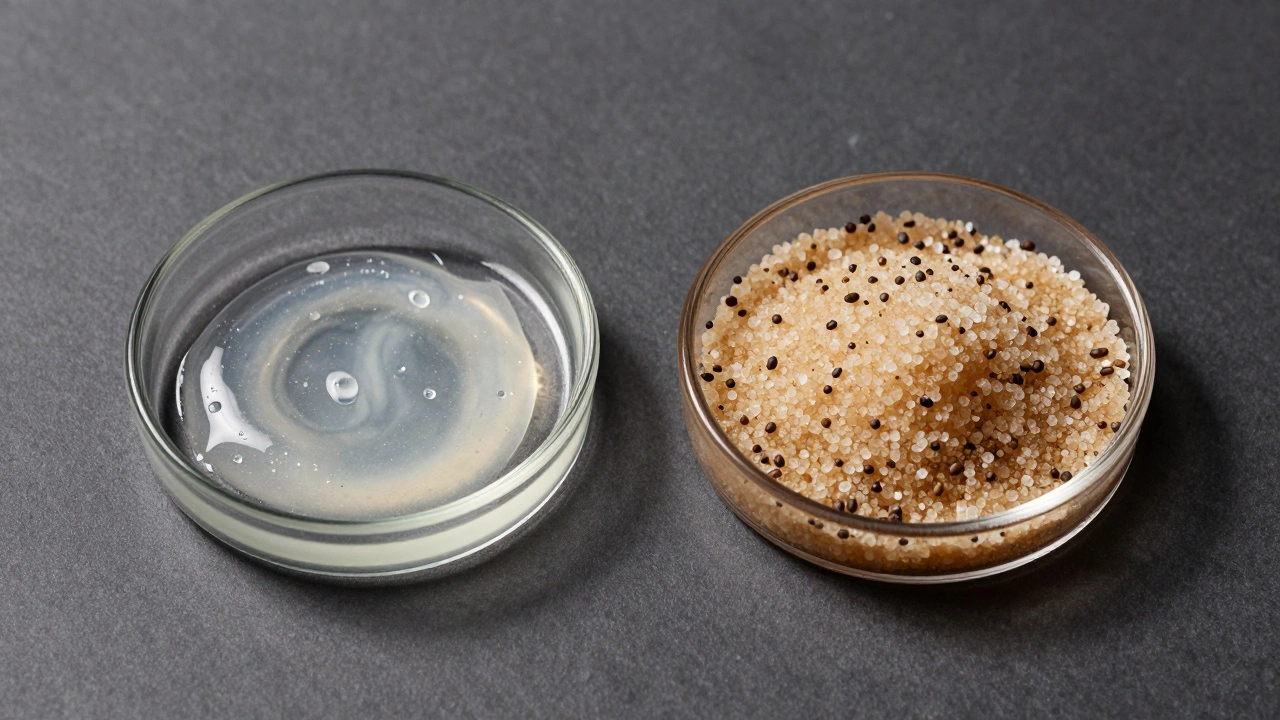
Physical exfoliants are scrubs that use particles-like sugar, salt, jojoba beads, or walnut shells-to manually buff away dead skin. They give immediate gratification; your skin feels smooth right after use. However, they require technique. If you press too hard or use jagged particles, you create micro-tears in the skin. These tiny wounds invite bacteria, leading to acne and sensitivity. Look for fine, round particles rather than crushed nutshells, which are often too abrasive.
Chemical exfoliants use acids to dissolve the bonds holding dead skin cells together. They don’t involve scrubbing, which makes them gentler on the surface but potentially stronger in effect. There are two main types:
- Beta Hydroxy Acids (BHAs): Salicylic acid is the most common BHA. It’s oil-soluble, meaning it dives deep into pores to clear out sebum and debris. This makes it ideal for oily, acne-prone skin.
- Alpha Hydroxy Acids (AHAs): Glycolic and lactic acids are water-soluble. They work on the surface to improve texture, tone, and hydration. Lactic acid is milder and better suited for dry or sensitive skin.
For most men, a low-concentration chemical exfoliant (5-10% glycolic acid or 2% salicylic acid) used twice a week offers better long-term results than harsh daily scrubbing.
Exfoliating Your Beard and Face Properly
If you grow facial hair, your exfoliation routine needs a slight tweak. The skin under your beard is prone to “beardruff” (dandruff) and ingrown hairs because hair traps dead skin and oils against the face. You can’t just slap a regular face scrub on top of thick hair-it won’t reach the skin.
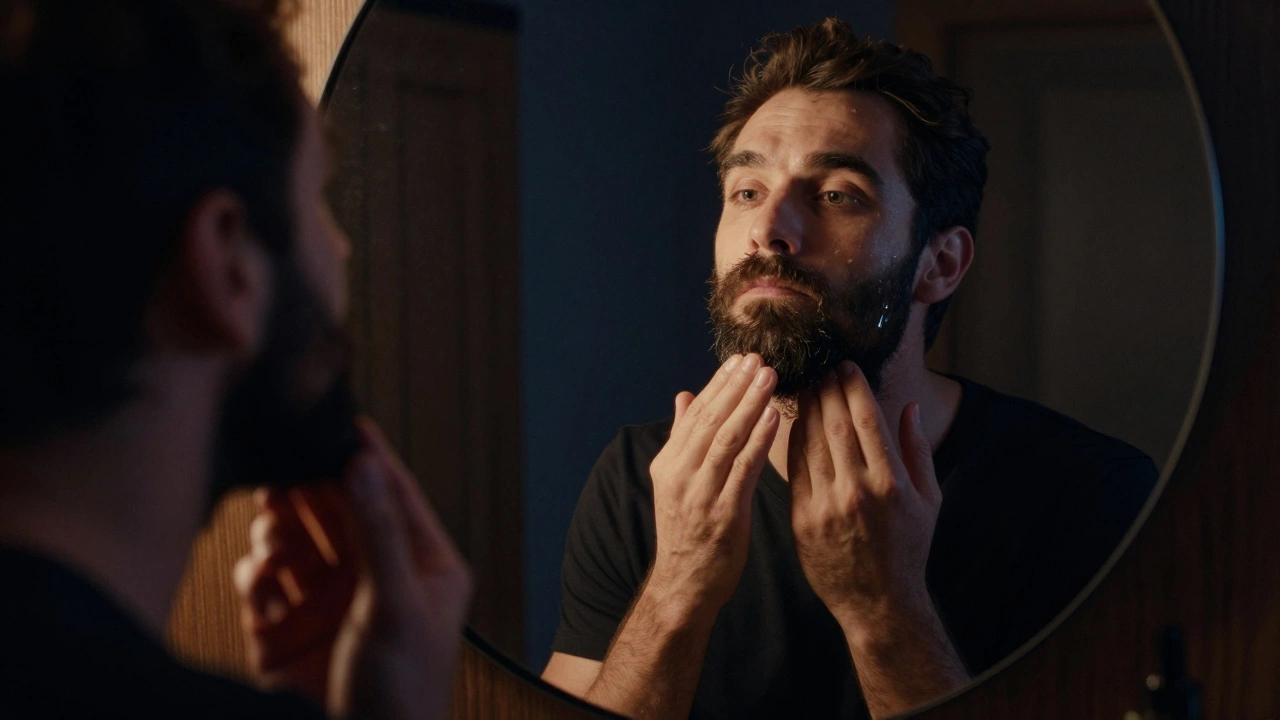
Start by applying a pre-shave oil or a lightweight conditioner to soften the hair. Then, use a gentle physical scrub designed for the body or a dedicated beard scrub. Massage it in circular motions, focusing on the skin beneath the hair, not the hair itself. Rinse thoroughly. Follow up with a beard oil to keep the skin hydrated. Doing this before shaving ensures your blade glides over clean skin, significantly reducing razor bumps.
For the rest of your face, avoid mixing methods. Don’t use a physical scrub and a strong chemical peel on the same day. Pick one approach and stick to it. Consistency beats intensity every time.
Signs You Are Over-Exfoliating
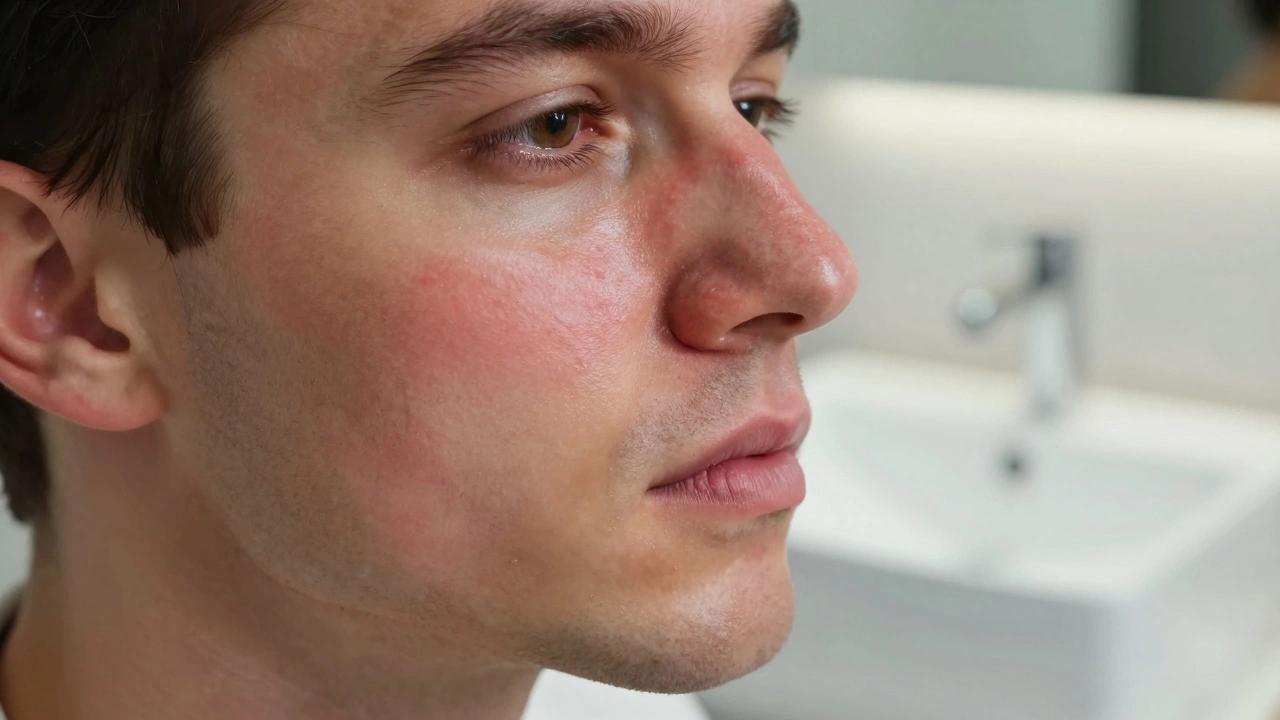
It’s easy to think “more is better,” but your skin has limits. Over-exfoliation compromises your moisture barrier, leaving it vulnerable to environmental damage and infection. Watch for these warning signs:
- Persistent redness or pinkness that doesn’t fade within an hour
- A burning or stinging sensation when applying moisturizer
- Increased breakouts, especially small, white-headed pimples
- Shiny but tight-feeling skin (this is inflammation, not healthy glow)
- Flakiness or peeling that worsens instead of improving
If you notice any of these, stop exfoliating immediately. Switch to a gentle cleanser and a barrier-repair moisturizer containing ceramides or hyaluronic acid. Give your skin at least a week to recover before reintroducing any exfoliant, and start with half the frequency you were previously using.
Building a Simple Exfoliation Routine
You don’t need a complex regimen to see results. Here’s a straightforward plan that works for most men:
- Cleanse: Wash your face with a gentle, non-stripping cleanser to remove surface dirt.
- Exfoliate: Apply your chosen exfoliant. If it’s a scrub, massage gently for 30 seconds. If it’s a chemical toner or serum, apply with cotton pads or fingertips and let it absorb.
- Rinse (if needed): Some chemical exfoliants are leave-on; others require rinsing. Follow the product instructions.
- Moisturize: Hydration is non-negotiable after exfoliation. Use a fragrance-free moisturizer to lock in moisture.
- Sunscreen (Morning): Exfoliated skin is more sensitive to UV rays. Always apply SPF 30+ during the day, even if it’s cloudy.
Timing matters too. Many dermatologists recommend exfoliating at night, especially with chemical acids, as your skin repairs itself while you sleep. Morning routines should focus on protection and hydration.
Common Mistakes to Avoid
Even with the right products, bad habits can undo your progress. First, never exfoliate broken or sunburned skin. Second, don’t layer multiple active ingredients. Using retinol, vitamin C, and an AHA/BHA in the same routine is a recipe for disaster. Space them out: exfoliate on Monday and Thursday, use retinol on Tuesday and Friday, and keep other nights simple.
Also, ignore the hype around “daily exfoliating cleansers.” Most contain mild abrasives or low-dose acids meant for occasional use, not daily. Using them every morning strips your natural oils, forcing your skin to produce more oil to compensate-a vicious cycle that leads to more acne and greasiness.
Can I exfoliate every day?
Generally, no. Daily exfoliation is too harsh for most skin types and can damage the moisture barrier. Stick to 1-3 times per week depending on your skin’s tolerance. Only very resilient, oily skin might handle daily gentle chemical exfoliation, but even then, it’s risky.
What is the best exfoliant for acne-prone skin?
Salicylic acid (BHA) is the gold standard for acne. It penetrates pores to dissolve oil and dead skin cells that cause breakouts. Start with a 2% concentration and use it 2-3 times a week. Avoid physical scrubs, which can spread bacteria and irritate inflamed pimples.
Should I exfoliate before or after shaving?
Ideally, exfoliate 24 hours before shaving to prevent ingrown hairs. If you must do it on the same day, exfoliate first, wait 30 minutes, then shave. Never exfoliate immediately after shaving, as your skin will be too sensitive and prone to cuts and irritation.
Is honey or sugar a good DIY exfoliant?
Sugar scrubs can work for the body, but they’re often too coarse for the face. Honey has mild antibacterial properties but lacks effective exfoliating power. Commercial products offer controlled particle sizes and balanced pH levels, making them safer and more effective than kitchen remedies.
How long does it take to see results from exfoliation?
You’ll feel smoother skin immediately after physical exfoliation. For chemical exfoliants, visible improvements in texture, brightness, and acne usually appear after 4-6 weeks of consistent use. Patience is key, as cell turnover takes about 28 days.