

Self-Improvement vs. Rest Balance Checker
Is your drive to improve helping you grow — or quietly draining you? Answer these quick questions to see where you stand and how to adjust.
Your Balance Score
--Recommended Next Steps
Ever feel like you're running on a hamster wheel? You wake up at 5 AM for meditation, hit the gym by 6, read 20 pages before breakfast, and still feel exhausted by 8 PM. If this sounds familiar, you aren't failing at self-improvement; you're just overdoing it. The modern obsession with optimization often leaves us forgetting that rest is a biological necessity for cognitive function and emotional regulation, not a reward for hard work. True growth isn't about squeezing more hours out of your day; it's about creating space where new neural pathways can form.
The Myth of Constant Optimization
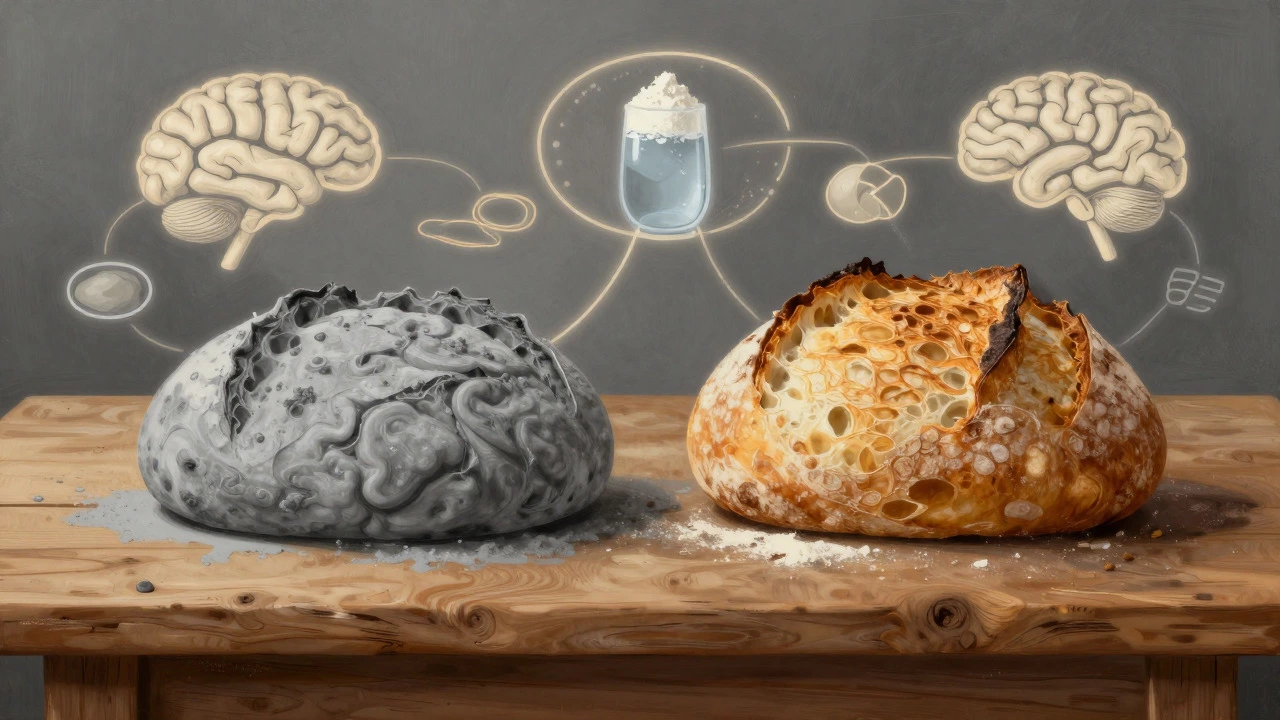
We live in an era where every minute must be productive. This mindset stems from productivity culture, which values output over well-being, leading to chronic stress and diminished returns on effort. However, neuroscience tells a different story. Your brain doesn't learn during active study or practice alone; it consolidates information during periods of low activity. Think of it like baking bread. You mix the ingredients (active learning), but the dough only rises when it sits undisturbed (rest). Without that resting phase, you get dense, flat results. Similarly, without mental downtime, your self-improvement efforts become rigid and brittle.
Why Rest Fuels Growth
Neuroplasticity, the brain's ability to rewire itself, requires two phases: activation and consolidation. Activation happens when you challenge yourself-learning a language, lifting weights, or solving complex problems. Consolidation happens when you rest. During sleep, specifically slow-wave sleep, the hippocampus transfers memories to the neocortex. During light naps or idle time, the default mode network activates, allowing your brain to connect disparate ideas. This is why some of your best solutions come to you in the shower or while walking, not while staring at a spreadsheet.
- Sleep: Non-negotiable. Aim for 7-9 hours. It’s when physical recovery and memory encoding happen.
- Active Recovery: Light movement like yoga or walking. Keeps blood flow high without taxing the central nervous system.
- Mental Downtime: Doing absolutely nothing. No phone, no books. Just sitting. This lets the prefrontal cortex quiet down.
Building a Sustainable Routine
So how do you actually structure your week to include both push and pull? The key is intentionality. Don't leave rest to chance; schedule it. Here is a simple framework to try:
- Block Your 'Push' Hours: Identify your peak energy times (usually morning) for high-focus tasks like deep work or exercise.
- Insert Micro-Breaks: Use the Pomodoro technique. Work for 25 minutes, then take a 5-minute break. Step away from the screen. Look out a window. Breathe.
- Define Your 'Off' Switch: Set a specific time each evening when work stops. No emails after 7 PM. This boundary protects your evening relaxation.
- Plan Leisure, Not Just Rest: Distinction matters. Rest is passive (sleeping, lying down). Leisure is active enjoyment (reading fiction, playing guitar, hiking). Both are necessary, but they serve different needs.
Signs You’re Overworking Yourself
It’s easy to ignore the warning signs because we’ve normalized burnout. But your body keeps score. Watch for these red flags:
- Irritability: Small inconveniences trigger disproportionate anger.
- Loss of Interest: Hobbies start feeling like chores.
- Physical Tension: Tight jaw, elevated shoulders, or frequent headaches.
- Procrastination: Not due to laziness, but mental fatigue. Your brain is resisting further input.
Practical Strategies for Immediate Relief
You don’t need a vacation to reset. Small shifts can make a big difference. Try these techniques today:
- The 10-Minute Digital Detox: Put your phone in another room for 10 minutes. Notice what happens to your mind. Usually, the anxiety subsides within 3-4 minutes.
- Box Breathing: Inhale for 4 seconds, hold for 4, exhale for 4, hold for 4. Repeat four times. This physically calms the sympathetic nervous system.
- Single-Tasking: Stop multitasking. Do one thing at a time. Multitasking is a myth that drains cognitive resources. Single-tasking allows for deeper focus and easier transition into rest states.

Common Pitfalls to Avoid
Even with good intentions, people often sabotage their balance. Here are the most common traps:
| Aspect | Balanced Approach | Unbalanced Approach |
|---|---|---|
| Rest Definition | Intentional downtime scheduled like meetings | Leftover time after all tasks are done |
| Goal Setting | Focus on process (e.g., "I will meditate daily") | Focus on outcome (e.g., "I must master mindfulness") |
| Response to Failure | Adjust routine, view as data | Double down, view as personal flaw |
| Leisure Activity | Chosen for joy, not productivity | Chosen for hidden benefit (e.g., reading business books) |
FAQ
Is it better to wake up early or sleep in for self-improvement?
Neither is inherently better. Consistency matters more than the specific hour. If you naturally wake up at 7 AM and feel alert, that’s your prime time. Forcing a 5 AM wake-up if you’re a night owl leads to chronic sleep debt, which undermines all other improvements.
How much time should I dedicate to relaxing daily?
Aim for at least 1-2 hours of unstructured leisure time per day, plus adequate sleep. This doesn’t mean doing nothing; it means engaging in activities that bring joy without pressure. Quality matters more than quantity, so even 30 minutes of genuine disconnection can be beneficial.
Does watching TV count as relaxation?
It depends. Passive scrolling through social media is often stimulating rather than relaxing due to dopamine spikes. Watching a favorite movie or series can be relaxing if it feels enjoyable and low-stakes. The key indicator is how you feel afterward: refreshed or drained?
What if I feel guilty when I’m not being productive?
This is a common symptom of hustle culture. Remind yourself that rest is part of the work. Write down three things you accomplished today, then intentionally stop. Guilt usually fades when you recognize that your worth isn’t tied to your output.
Can I balance self-improvement and relaxation during busy seasons?
Yes, but you may need to lower the bar. Instead of a full workout, do a 10-minute stretch. Instead of reading 20 pages, listen to a podcast. The goal is maintenance, not progress, during high-stress periods. Protect your sleep above all else.