

Modern Gentleman Self-Assessment
Answer these questions honestly to gauge where you stand on the journey toward modern gentlemanly conduct. There are no wrong answers—only opportunities for growth.
What does it actually mean to behave like a man in 2026? If you grew up thinking it meant suppressing emotions, dominating conversations, or never showing weakness, you are operating on an outdated script. The world has shifted. Today, being a gentleman is a person who demonstrates integrity, respect, and emotional maturity in all interactions isn't about rigid gender roles. It’s about character. It’s about how you treat the waiter, how you handle conflict, and whether you keep your word when no one is watching.
We often confuse "acting like a man" with performing masculinity-loudness, aggression, or stoicism. But true masculine presence is quiet confidence. It is reliability. In this guide, we will break down the practical habits that define a modern gentleman, moving away from toxic stereotypes and toward behaviors that earn genuine respect.
The Foundation: Integrity Over Image
Before you worry about suits or posture, you need to address your internal compass. Integrity is the bedrock of respectful male behavior. It means your actions align with your values, even when it costs you something.
Consider the concept of accountability. Many men struggle here because they fear admitting fault looks weak. In reality, owning your mistakes projects strength. When you say, "I was wrong, and I’m sorry," you disarm tension and build trust. This applies to small things, like being late, and big things, like breaking a promise. A gentleman does not make excuses; he makes amends.
Another pillar is consistency. You cannot be a gentleman only when you are trying to impress someone. You must be reliable in the mundane moments. Do you return calls? Do you pay your bills on time? Do you listen when your partner is speaking, or are you just waiting for your turn to talk? These micro-interactions define your reputation more than any grand gesture ever could.
Mastering Emotional Intelligence
Old-school advice told men to "toughen up." Modern psychology tells us that emotional intelligence is the ability to recognize, understand, and manage your own emotions while empathizing with others is a critical skill for leadership and relationships. Suppressing emotions doesn’t make them disappear; it makes them explode later, often in destructive ways.
To behave like a mature man, you must learn to identify what you are feeling. Are you angry, or are you hurt? Are you frustrated, or are you tired? Naming the emotion reduces its power over you. Once you can regulate your own reactions, you can better navigate conflicts without resorting to shouting or silence.
Empathy is equally important. This doesn’t mean agreeing with everyone. It means understanding their perspective. When a colleague disagrees with you, ask why. When a friend is struggling, listen without immediately offering solutions. Sometimes, people just want to be heard. A gentleman creates space for others to feel safe and understood.
The Art of Respectful Communication
How you speak says everything about who you are. Respectful communication goes beyond saying "please" and "thank you." It involves active listening, tone control, and knowing when to stay silent.
- Listen to understand, not to reply. Put your phone down. Make eye contact. Nod. Show that you are present. Most people spend conversations preparing their rebuttal rather than hearing what you’re saying.
- Avoid interrupting. Let others finish their thoughts. Interrupting signals that you value your opinion more than theirs.
- Watch your tone. Sarcasm can be funny among close friends but is often perceived as aggressive or dismissive in professional or new social settings. Aim for clarity and warmth.
- Respect boundaries. If someone says no, accept it gracefully. Pushing past consent is not persistence; it is disrespect.
Also, be mindful of language. Avoid derogatory terms, even if they are common in certain circles. Your vocabulary reflects your mindset. Using inclusive and respectful language opens doors and builds bridges.

Physical Presence and Grooming
You don’t need to look like a model, but you do need to show respect for yourself and those around you through grooming. Neglecting your appearance sends a signal that you don’t care enough to put in effort. Conversely, excessive vanity can seem insecure. The goal is neatness and appropriateness.
Start with the basics. Keep your hair trimmed, your nails clean, and your clothes fitted and ironed. You don’t need expensive brands; you need clothes that fit well. A $50 shirt that fits perfectly looks better than a $500 shirt that hangs loosely. Pay attention to hygiene. Shower daily, use deodorant, and floss. Bad breath is a conversation killer.
Posture matters too. Stand tall. Shoulders back. Head up. Slouching suggests low energy or lack of confidence. Good posture not only makes you look more authoritative but also improves your breathing and mood. It is a simple physical adjustment that changes how people perceive you instantly.
Social Etiquette in the Digital Age
Etiquette has evolved. It is no longer just about which fork to use at dinner. It now includes digital behavior. How you act online is part of your character.
Be thoughtful before posting. Would you say this to someone’s face? If not, don’t type it. Cyberbullying, trolling, and sharing unverified news are signs of poor character. A gentleman uses social media to connect, share value, and support others, not to argue or seek validation through outrage.
In person, put the phone away during meals and conversations. Checking notifications while someone is talking to you is a major breach of modern etiquette. It says, "The digital world is more interesting than you." Give people your full attention. It is a rare and valuable gift.
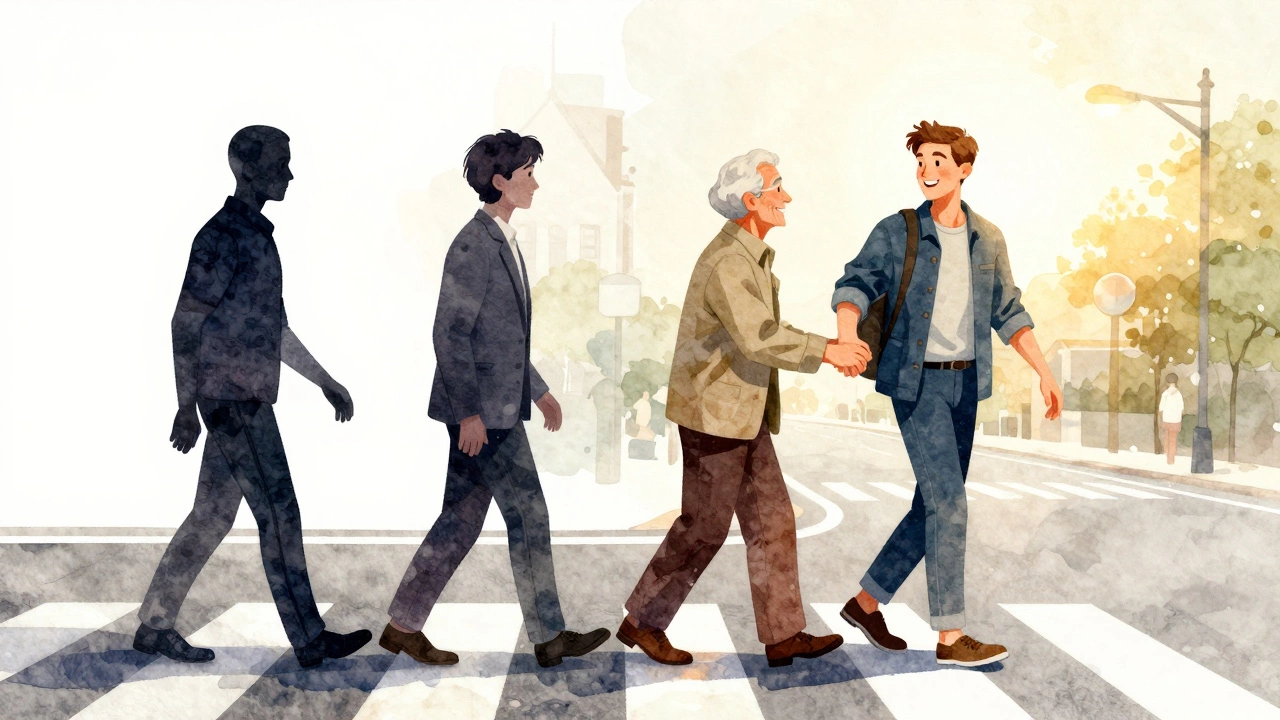
Chivalry Reimagined
Chivalry is often misunderstood as treating women like fragile objects. True chivalry is about kindness and consideration for everyone, regardless of gender. It is holding the door open for the person behind you, whether they are a man, woman, or child. It is offering your seat to someone who needs it more.
In dating, this translates to equality mixed with courtesy. Plan the date, but ask for preferences. Pay if you invited, but allow the other person to contribute if they wish. The key is mutual respect. Do not expect anything in return for being kind. Kindness should be its own reward.
| Trait | Outdated Stereotype | Modern Gentleman Approach |
|---|---|---|
| Emotions | Suppress and hide | Acknowledge and regulate |
| Conflict | Dominance and winning | Resolution and understanding |
| Listening | Wait to speak | Active engagement |
| Appearance | Don't care / Tough look | Groomed and appropriate |
| Helping Others | Only if rewarded | Unconditional kindness |
Building Resilience and Purpose
A gentleman has direction. He knows what he stands for and works toward his goals with discipline. This doesn’t mean you need a five-year corporate ladder plan. It means having hobbies, interests, and a sense of purpose that drives you.
Resilience is the ability to bounce back from failure. Life will knock you down. Jobs end, relationships fail, health issues arise. How you respond defines you. Do you blame others? Or do you analyze what went wrong, learn, and try again? Cultivate a growth mindset. View challenges as opportunities to improve, not as threats to your ego.
Invest in your health. Exercise regularly, eat nutritious food, and prioritize sleep. A strong body supports a strong mind. You cannot be present for others if you are exhausted or unhealthy. Taking care of yourself is not selfish; it is responsible.
Continuous Self-Improvement
Never stop learning. Read books, take courses, travel, and meet new people. Curiosity keeps you humble and engaged. Arrogance comes from thinking you know it all. A gentleman knows there is always more to learn.
Seek feedback. Ask trusted friends or mentors, "How can I be better?" Then, actually listen to the answer. Most people avoid criticism, but growth happens outside your comfort zone. Be willing to change. Rigidity is a sign of insecurity; adaptability is a sign of strength.
Is being a gentleman only about how you treat women?
No. While traditional chivalry focused on men’s behavior toward women, modern gentlemanly conduct applies to everyone. It is about respecting colleagues, family members, strangers, and service staff equally. True character is shown in how you treat those who can do nothing for you.
Can a man be sensitive and still be respected?
Absolutely. Sensitivity and empathy are strengths, not weaknesses. Men who can express emotions appropriately and connect deeply with others often build stronger, more trusting relationships. Respect comes from authenticity and kindness, not from hiding your humanity.
What is the first step to changing my behavior?
Start with self-awareness. Observe your current habits without judgment. Notice when you interrupt, when you get defensive, or when you neglect your grooming. Pick one small area to improve, such as active listening, and practice it daily until it becomes natural.
Does dressing well matter if I have good intentions?
Yes. Appearance is a form of non-verbal communication. Dressing neatly shows respect for the occasion and the people you are meeting. It boosts your own confidence and signals that you take yourself seriously. You don’t need luxury items, just clean, well-fitting clothes.
How do I handle anger without losing control?
Pause before reacting. Take a deep breath. Count to ten if needed. Identify the root cause of your anger. Often, anger masks fear, hurt, or frustration. Once you name the underlying emotion, you can address it calmly. If necessary, step away from the situation to cool down before discussing it further.