
Relationship Trust Builder Assessment
Trust is built brick by brick through consistency, communication, vulnerability, and boundaries. Use this tool to assess your current habits and identify areas for growth in your relationships.
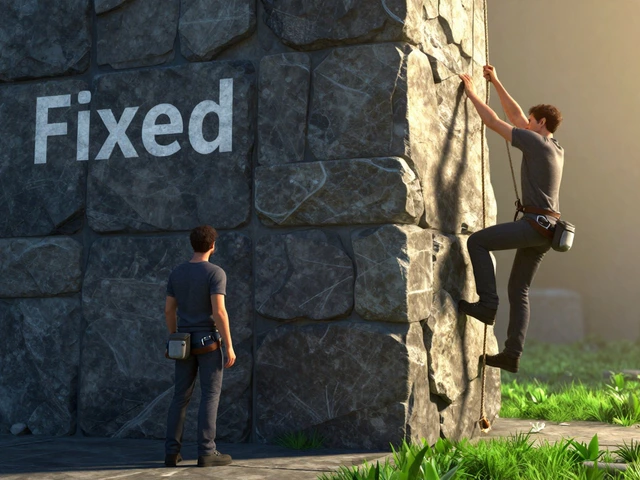
Trust is not a switch you flip. It’s a house you build, brick by brick, over years of small, consistent actions. If you’ve ever felt that sinking feeling when your partner forgets a promise or hides a text message, you know how fragile it can be. But here’s the good news: trust isn’t magic. It’s a skill. And like any skill, you can learn it, practice it, and rebuild it if it breaks.
Most people think trust is about grand gestures-surprise vacations, expensive gifts, or dramatic declarations of love. That’s a myth. Real trust lives in the mundane. It’s in showing up on time. It’s in telling the truth even when it’s uncomfortable. It’s in remembering how they take their coffee and respecting their need for quiet after a long day. If you want to build deep, lasting trust, you have to start with these everyday moments.
The Foundation: Consistency Over Intensity
You don’t build trust by being perfect. You build it by being predictable. When your words match your actions, day after day, your partner stops wondering what you’re really thinking. They stop scanning for hidden agendas. This predictability creates emotional safety, which is the feeling that you can be yourself without fear of judgment or rejection.
Think about it. If you say you’ll call at 6 PM but call at 8 PM every night, your partner learns not to rely on your word. If you promise to listen but check your phone during serious conversations, they learn their thoughts don’t matter to you. These aren’t big betrayals, but they erode trust slowly, like water wearing down stone.
To fix this, start small. Pick three things you can do consistently:
- Respond to messages within a reasonable timeframe (even if it’s just “busy now, talk later”).
- Show up on time for dates or meetings.
- Follow through on small promises (“I’ll pick up milk” means you actually pick up milk).
When you do this repeatedly, your partner’s brain starts to register you as safe. Their stress levels drop. They relax around you. That relaxation is the soil where trust grows.
Communication: Listening to Understand, Not to Reply
Most of us listen to reply. We wait for our turn to speak while mentally drafting our counterargument. This kills trust because it signals: “Your feelings are less important than my point.”
Real communication requires active listening, which involves fully focusing on the speaker, understanding their message, and responding thoughtfully. Here’s how to do it:
- Silence your inner monologue. Stop planning your response. Focus entirely on their words.
- Reflect back. Say, “What I’m hearing is that you felt ignored when I checked my email during dinner. Is that right?” This shows you’re tracking.
- Validate, don’t fix. Unless they ask for solutions, don’t offer them. Just say, “That sounds really hard. I’m sorry you went through that.”
This might feel awkward at first. You’ll want to jump in. Resist. Trust builds when people feel heard, not solved. When your partner knows you truly hear them, they’ll share more openly. And openness breeds intimacy.

Vulnerability: The Risk That Rewards
Here’s a hard truth: you can’t build trust if you’re always hiding. Vulnerability is scary. It means showing your fears, mistakes, and insecurities. But it’s also the fastest way to connect.
Research from Brené Brown, a leading expert on vulnerability, shows that people who embrace imperfection report higher levels of connection and satisfaction in relationships. Why? Because when you admit, “I messed up,” or “I’m scared,” you give your partner permission to do the same. You create a space where both of you can be real.
Start with low-stakes vulnerability. Share a minor worry. Admit you don’t know something. Apologize for a small oversight. Watch how your partner responds. If they meet you with kindness, you’ve just laid another brick in your trust foundation.
But beware: vulnerability without boundaries is chaos. Don’t dump all your trauma on day one. Share gradually, testing the waters. Trust is built in layers, not floods.
Boundaries: Respect Is Non-Negotiable
Trust doesn’t mean merging into one person. It means respecting where one ends and the other begins. Boundaries are the guardrails of trust. Without them, resentment builds.
Maybe your partner needs alone time after work. Maybe you need financial transparency. Maybe you both agree no phones at the dinner table. These aren’t restrictions; they’re agreements that protect your connection.
To set healthy boundaries:
- Name your needs clearly. Instead of “You never respect me,” try “I need 30 minutes of quiet time after work to recharge.”
- Listen to theirs. Ask, “What do you need from me to feel supported?”
- Honor them. If they say no sex tonight, accept it without guilt-tripping. If you say no to last-minute plans, stick to it.
When boundaries are respected, trust deepens. People feel safe knowing their limits won’t be crossed. They don’t have to walk on eggshells.

Repairing Broken Trust: It’s Possible, But Hard Work
If trust has been broken-whether by infidelity, lies, or neglect-it can be rebuilt. But it takes effort from both sides. The person who broke trust must take full responsibility. No excuses. No blaming.
Steps to repair:
- Acknowledge the harm. Say exactly what you did and why it hurt them. “I lied about where I was, and that made you feel unsafe. I own that.”
- Show changed behavior. Words mean nothing without action. If you lied about money, offer full financial transparency. If you cheated, cut off contact with the other person.
- Be patient. Healing takes time. Your partner may bring it up again months later. Listen. Don’t get defensive.
- Seek help if needed. Couples therapy isn’t a sign of failure. It’s a tool. A therapist can guide you through tough conversations.
Remember: rebuilding trust isn’t about returning to how things were. It’s about building something new, stronger, and more honest.
| Behavior | Impact on Trust | Example |
|---|---|---|
| Consistency | High positive impact | Always calling when you say you will |
| Active Listening | Medium-high positive impact | Putting phone away during serious talks |
| Vulnerability | High positive impact | Admitting fear of failure |
| Boundary Violation | High negative impact | Ignoring agreed-upon no-phone rule |
| Dishonesty | Critical negative impact | Lying about whereabouts |
Signs Trust Is Growing (And How to Spot Them)
How do you know if your efforts are working? Look for these signs:
- Your partner shares bad news quickly instead of hiding it.
- You feel calm discussing difficult topics.
- They defend you when others criticize you unfairly.
- You both laugh more and argue less.
- Future plans include each other naturally.
If you see these, keep going. You’re on the right track. Trust isn’t a destination; it’s a journey. Every small act of honesty, patience, and respect adds up.
Can trust be rebuilt after cheating?
Yes, but it requires complete honesty, accountability, and time. The unfaithful partner must end the affair, answer questions patiently, and show consistent change. The betrayed partner needs space to heal. Professional counseling often helps navigate this complex process.
How long does it take to build trust?
There’s no fixed timeline. Some couples build strong trust in months; others take years. It depends on past experiences, consistency, and communication quality. Focus on daily actions rather than counting days.
What should I do if my partner doesn’t trust me?
Ask calmly why they feel distrustful. Listen without defensiveness. Identify specific behaviors causing doubt. Then demonstrate change through consistent actions. Avoid demanding trust; earn it over time.
Is it normal to lose trust sometimes?
Absolutely. Minor breaches happen in every relationship. What matters is how you handle them. Acknowledge the slip-up, apologize sincerely, and adjust your behavior. Small repairs prevent major collapses.
How can I trust myself in a relationship?
Self-trust comes from honoring your own boundaries and values. Say no when you mean no. Keep promises to yourself. When you respect your own limits, you model self-respect for your partner and attract healthier dynamics.