
Modern Gentleman's Etiquette Quiz
Loading question...
Quiz Complete!
Great effort!
Key Takeaways for the Modern Gentleman
- Respect is a baseline, not a reward for others.
- Reliability is the strongest form of social currency.
- True confidence comes from making others feel comfortable.
- Etiquette is a tool for inclusion, not a way to exclude people.
The Foundation of Respect and Emotional Intelligence
Before you worry about where to put your hands or how to introduce people, you need to master the internal game. A man who knows every rule of etiquette but lacks empathy is just a snob. Real gentleman rules start with Emotional Intelligence, which is the ability to read a room and adjust your energy to fit the needs of others. If you see someone struggling to enter a conversation, the gentleman is the one who opens up the circle to let them in.
Consider the way you handle disagreements. A gentleman doesn't "win" an argument by shouting louder or using sarcasm to belittle someone. Instead, he listens more than he speaks. When you truly listen, you aren't just waiting for your turn to talk; you're trying to understand the other person's perspective. This shift from competition to curiosity is what separates a boy from a man in social settings.
Social Etiquette in the Modern World
The world has changed, but the principle of "leaving things better than you found them" still applies. In a digital age, this means being mindful of your phone. Nothing says "you aren't important" like a man who checks his notifications while someone is speaking to him. A simple rule of thumb: the person in front of you always takes priority over the screen in your pocket.
When it comes to physical space, the rule is about awareness. Whether it's holding a door for someone-regardless of their gender-or giving up your seat on a crowded train to someone who needs it more, these small acts create a ripple effect of kindness. It's not about chivalry in a restrictive, outdated sense; it's about general courtesy. If you see someone struggling with a heavy bag, you help. Not because you're "expected" to, but because it's the right thing to do.
| Situation | Traditional Approach | Modern Gentleman Approach |
|---|---|---|
| Entering a Room | Holding the door for women only. | Holding the door for anyone behind you. |
| Conversation | Leading the talk and directing topics. | Asking insightful questions and active listening. |
| Dining | Strict adherence to silver service rules. | Focusing on the guest's comfort and ease. |
| Conflict | Maintaining a "stiff upper lip" and silence. | Addressing issues calmly and with honesty. |

Professionalism and the Art of the Introduction
In a professional environment, your reputation is built on the things you do when no one is watching. Punctuality is perhaps the most underrated gentlemanly trait. When you show up late, you are essentially telling the other person that your time is more valuable than theirs. Being five minutes early is a silent way of showing respect.
The art of the introduction is another area where many stumble. The general rule is to introduce the "lower ranking" person to the "higher ranking" person. For example, if you're introducing your friend to your CEO, you'd say, "Mr. CEO, I'd like you to meet my friend, Dave." However, in modern social circles, this is less about rank and more about flow. Always provide a "hook"-a small piece of information that helps the two people start a conversation. Instead of just saying "This is Sarah," say "This is Sarah; she's an expert in urban gardening and just moved from Berlin." You've just done the hard work of starting the conversation for them.
The Gentleman's Guide to Grooming and Presentation
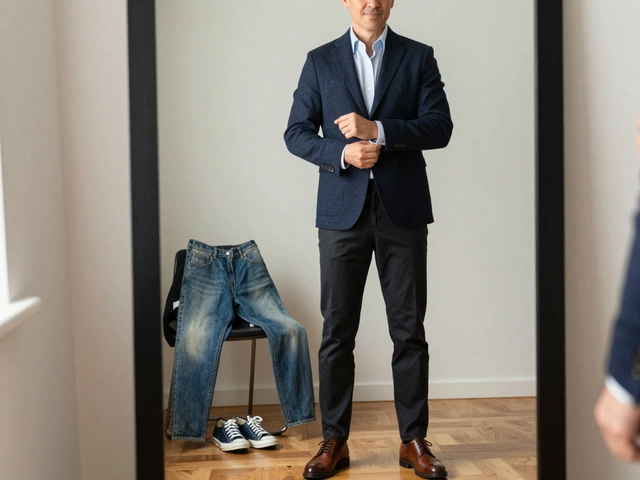
You don't need a bespoke suit to be a gentleman, but you do need to show that you care about your presentation. Dressing well is a sign of respect for the occasion and the people hosting you. It shows you put effort into the encounter. The key is Appropriateness. Wearing a suit to a casual backyard BBQ can actually be a breach of etiquette because it makes others feel underdressed and uncomfortable.
Focus on the details that most people overlook. Clean shoes, trimmed nails, and a subtle scent are far more important than a luxury brand logo. A gentleman's fragrance should be discovered, not announced. If someone can smell your cologne from across the room, you've applied too much. The goal of grooming is to be pleasant and unobtrusive, ensuring that your appearance doesn't distract from your character.

Navigating Relationships with Integrity
Integrity is the bedrock of any gentleman's code. This means your words and your actions are in total alignment. If you say you'll be there, you be there. If you make a promise, you keep it. In relationships, this manifests as honesty and transparency. A gentleman doesn't play games with people's emotions or use ambiguity to avoid commitment.
Handling a mistake is where a man's character is truly tested. Instead of making excuses or shifting blame, a gentleman owns his errors immediately and sincerely. A simple, "I messed up, I'm sorry, and here is how I'm going to fix it," is infinitely more powerful than a long-winded explanation of why the mistake wasn't actually his fault. Accountability is the ultimate sign of maturity.
The Quiet Confidence of Humility
There is a common misconception that being a gentleman means being passive or a "doormat." Nothing could be further from the truth. True gentleness is power under control. It's the ability to be firm in your boundaries and convictions without becoming aggressive or rude. This is known as Assertiveness, which differs from aggression in that it respects both the speaker and the listener.
Humility isn't thinking less of yourself; it's thinking of yourself less. A gentleman doesn't need to brag about his achievements because he lets his results speak for him. When praised, he deflects some of the credit to the team or mentors who helped him along the way. By elevating others, he actually increases his own value in the eyes of those around him.
Does being a gentleman mean I have to be old-fashioned?
Not at all. The essence of being a gentleman is timeless-kindness, respect, and integrity. While the specific actions (like tipping a hat) may be outdated, the underlying value (acknowledging someone's presence) is still vital. Modern gentleman rules are about adapting these values to current social norms, such as being mindful of digital boundaries and promoting equality.
Is it still necessary to pay for everything on a first date?
The "rule" has shifted. While the person who initiates the date traditionally offers to pay, the modern approach is more flexible. A gentleman's goal is to make the other person feel comfortable. If they insist on splitting, accepting gracefully is more gentlemanly than forcing a payment on them. The key is to have the intention to pay, but the flexibility to adapt to your partner's preference.
How do I handle someone who is being rude to me?
A gentleman never stoops to the level of the aggressor. If someone is rude, remain calm and polite. This does not mean accepting abuse; it means setting a boundary without losing your temper. You can say, "I'm happy to discuss this, but not while you're shouting," and then remove yourself from the situation if necessary. Your composure is your strength.
What is the most important rule for a gentleman today?
The most important rule is consistency. It's easy to be a gentleman when you're trying to impress a boss or a date. The real test is how you treat people who can do absolutely nothing for you-waitstaff, cleaners, or strangers on the street. Consistency in kindness across all social strata is the true mark of a gentleman.
Can anyone become a gentleman, or is it about how you're raised?
Anyone can become a gentleman. While some may have a head start through their upbringing, gentlemanly behavior is a set of skills and habits that can be learned and practiced. It's a daily choice to act with honor and consideration. The fact that you are asking how to improve already puts you on the right path.
Next Steps for Implementing These Rules
If you're looking to integrate these habits into your life, start small. Pick one area-like active listening or punctuality-and focus on it for a week. Notice how people react when you give them your full attention or when you show up exactly on time. You'll find that people naturally gravitate toward those who make them feel seen and respected. From there, expand your focus to your grooming and your emotional reactions during conflict. Being a gentleman isn't a destination you reach; it's a way of traveling through life.