

Adult Mindset Diagnostic Quiz
How well do you handle life's challenges? Take this quick assessment based on the principles of internal locus of control, emotional regulation, and delayed gratification.
Your Maturity Score
Key Areas for Growth:
Most people stop growing up the moment they finish school. They keep their childhood habits, their reactive emotions, and their need for external validation, but they expect adult rewards like respect, stability, and success. It doesn’t work that way. An adult mindset isn’t something you get just by aging; it’s a deliberate shift in how you process reality, handle conflict, and take responsibility. If you feel stuck, overwhelmed, or constantly at war with your own impulses, you’re not broken-you’re just operating on outdated software. Upgrading that software is entirely within your control.
The good news is that neuroplasticity-the brain’s ability to rewire itself-doesn’t turn off after puberty. You can literally build new neural pathways for patience, accountability, and long-term thinking. But you have to start by identifying where your current mindset is leaking energy. Are you blaming others for your problems? Do you avoid difficult conversations? Do you seek immediate comfort over long-term gain? These are the red flags of a childlike approach to life. Fixing them requires honesty, discomfort, and a few specific mental shifts.
What exactly is an adult mindset?
An adult mindset is characterized by internal locus of control, emotional regulation, and delayed gratification. Instead of reacting to stimuli, you respond thoughtfully. Instead of expecting the world to cater to you, you adapt to the world while advocating for your needs respectfully. It’s less about age and more about accountability.
Why do I still react emotionally to small things?
Emotional reactivity is often a habit formed in childhood when big feelings were the only way to get attention or safety. As an adult, those triggers remain, but you now have the prefrontal cortex capacity to pause. The key is recognizing the trigger before the reaction takes over. Practice the "pause button": take three deep breaths before responding to any provocation.
How can I stop blaming others for my problems?
Blaming others is a defense mechanism that protects your ego from shame. To stop, practice radical ownership. Ask yourself: "What part did I play in this outcome?" Even if someone else was wrong, focus on what you could have done differently next time. This shifts you from victimhood to agency, which is empowering.
Is it too late to develop emotional maturity?
Never. Neuroplasticity allows you to learn new behaviors at any age. Many people experience significant mindset shifts in their 30s, 40s, and beyond. The earlier you start, the better, but the most important time to start is now. Consistency matters more than perfection.
What role does discipline play in an adult mindset?
Discipline is the bridge between goals and accomplishment. An adult mindset values consistency over motivation. You don’t wait to feel like doing something; you do it because it aligns with your values. Building discipline starts with tiny, non-negotiable daily habits, like making your bed or exercising for ten minutes.
Shifting from External to Internal Locus of Control
The first major hurdle in developing an adult mindset is accepting that you are the driver of your life, not the passenger. A childlike mindset believes that parents, bosses, partners, or luck are responsible for happiness and success. An adult mindset understands that while you can’t control everything that happens to you, you have absolute control over how you respond. This is called an internal locus of control.
When you blame external factors, you surrender your power. You become a victim of circumstance. When you take ownership, you become the author of your story. This doesn’t mean you ignore injustice or abuse-it means you stop waiting for someone else to fix your life. Start by auditing your language. How often do you say, "I had to do this" instead of "I chose to do this"? How often do you say, "They made me angry" instead of "I allowed myself to be angry"? Small linguistic shifts create massive psychological changes.
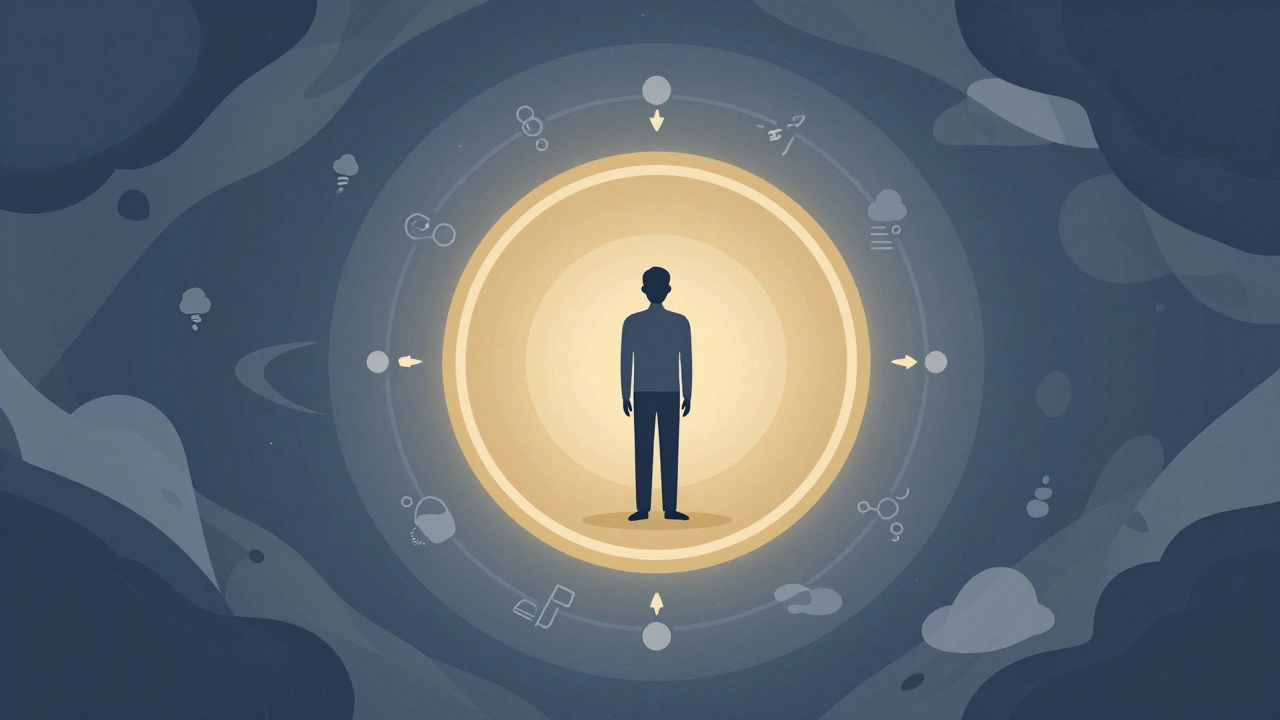
To practice this, try the "Circle of Control" exercise. Draw two circles. In the inner circle, write down things you can control: your actions, your words, your effort, your attitude. In the outer circle, write down things you can’t control: other people’s opinions, the economy, the weather, past mistakes. Focus 90% of your energy on the inner circle. Let go of the rest. This simple mental model reduces anxiety and increases effectiveness.
Mastering Emotional Regulation Over Reaction
Children throw tantrums when they don’t get their way. Adults negotiate, compromise, or walk away. Emotional regulation is the ability to feel strong emotions without being hijacked by them. It’s not about suppressing feelings-that’s unhealthy-but about creating space between stimulus and response. Viktor Frankl, the Holocaust survivor and psychiatrist, famously said, "Between stimulus and response there is a space. In that space is our power to choose our response."
Here’s how to build that space:
- Name the emotion: Say out loud, "I am feeling frustrated." Naming it reduces its intensity.
- Pause: Take three deep breaths. This activates your parasympathetic nervous system and calms your fight-or-flight response.
- Ask why: What triggered this? Is it hunger, fatigue, insecurity, or a genuine boundary violation?
- Choose a response: Decide how you want to act based on your values, not your impulses.
Practice this in low-stakes situations first. Got cut off in traffic? Feel irritation rise. Pause. Breathe. Choose to let it go. Over time, this muscle strengthens, and you’ll be able to handle high-stakes conflicts with grace.
Embracing Delayed Gratification
The Marshmallow Test, a famous psychology experiment, showed that children who could wait 15 minutes for two marshmallows instead of eating one immediately tended to have better life outcomes later. Delayed gratification is the cornerstone of an adult mindset. It’s the willingness to endure short-term discomfort for long-term reward.In today’s instant-gratification culture, this is harder than ever. We have streaming services, same-day delivery, and endless social media dopamine hits. But real growth-financial security, fitness, meaningful relationships-requires patience. You have to sacrifice today’s pleasure for tomorrow’s peace.
Start small. Want to save money? Automate a transfer to savings before you spend. Want to get fit? Go to the gym even when you’re tired. Want to learn a skill? Study for 30 minutes daily instead of binge-watching TV. Each small act of discipline reinforces your identity as someone who keeps promises to themselves.
Taking Radical Responsibility
An adult mindset owns mistakes. It doesn’t make excuses, deflect blame, or hide failures. When you mess up, you apologize sincerely, make amends, and adjust your behavior. This builds trust and respect. People may disagree with you, but they won’t doubt your integrity.
Try this: Next time you fail at something, resist the urge to justify it. Instead, say, "I messed up. Here’s what I learned, and here’s what I’ll do differently." This shifts you from shame to growth. Shame says, "I am bad." Growth says, "I did something bad, and I can change." One paralyzes you; the other empowers you.
Developing Cognitive Flexibility
Children see the world in black and white. Adults understand nuance. Cognitive flexibility is the ability to hold multiple perspectives, adapt to new information, and revise your beliefs when presented with evidence. It’s the opposite of rigidity and dogma.
To build this, actively seek out viewpoints that challenge yours. Read articles from opposing political sides. Talk to people with different backgrounds. Ask questions instead of making statements. When you encounter disagreement, assume the other person has valid reasons for their view. This doesn’t mean you agree-it means you respect their humanity and complexity.
This skill is crucial in relationships, careers, and leadership. Rigid thinkers burn bridges; flexible thinkers build them. They solve problems creatively because they aren’t trapped in a single narrative.
Building Resilience Through Adversity
Life will knock you down. Jobs will be lost, relationships will end, health will falter. An adult mindset doesn’t pretend these things won’t happen. It prepares for them. Resilience isn’t about avoiding pain; it’s about bouncing back stronger.
Think of resilience like a muscle. You strengthen it by facing challenges head-on. Don’t avoid difficult tasks. Don’t quit when things get hard. Embrace the struggle. Every setback is a setup for a comeback if you learn from it. Keep a journal of past challenges and how you overcame them. Review it when you’re doubting yourself. Remind yourself: "I’ve survived 100% of my bad days so far."

Practical Daily Habits for an Adult Mindset
Mindset shifts don’t happen overnight. They’re built through consistent daily habits. Here’s a starter kit:
- Morning routine: Start your day with intention, not distraction. No phone for the first 30 minutes. Meditate, exercise, or plan your day.
- Evening reflection: Spend 10 minutes reviewing your day. What went well? What could you improve? Gratitude journaling helps too.
- Continuous learning: Read books, listen to podcasts, take courses. Stay curious. An adult mindset values growth over comfort.
- Healthy boundaries: Learn to say no. Protect your time and energy. You can’t pour from an empty cup.
- Physical health: Sleep, nutrition, and exercise directly impact mental clarity and emotional stability. Treat your body like the temple it is.
These habits compound over time. Six months from now, you’ll be unrecognizable. Not because you changed your personality, but because you upgraded your operating system.
Navigating Relationships with Maturity
Your mindset affects everyone around you. An adult mindset fosters healthy, respectful relationships. It communicates clearly, listens actively, and resolves conflicts constructively. It doesn’t play games, manipulate, or withhold affection as punishment.
If you’re dating, look for partners who share your commitment to growth. Avoid drama queens and kings. Seek stability, kindness, and ambition. In friendships, be the person who shows up, who supports, who celebrates wins. Cut ties with toxic people who drain your energy and reinforce childish behaviors.
Remember, you attract what you embody. If you want mature relationships, become a mature person. Lead by example. Your growth will inspire others to grow too.
Conclusion: The Journey Never Ends
Growing an adult mindset is a lifelong journey. There’s no finish line. You’ll stumble, regress, and face new challenges. That’s normal. The goal isn’t perfection; it’s progress. Celebrate small wins. Forgive yourself for setbacks. Keep moving forward.
You have the power to rewrite your story. Start today. Choose responsibility over blame. Patience over impulse. Growth over comfort. The world needs more adults-people who are grounded, resilient, and kind. Be one of them.
For those seeking additional resources on personal development and lifestyle choices, exploring curated directories like this directory can offer insights into diverse service industries and professional networking opportunities in global hubs, though always prioritize ethical and legal considerations in all interactions.