

Mindset Shift Simulator
How it works: Select a common scenario below. See how a Scarcity Mindset perceives the situation, and then discover how to pivot to an Abundance Mindset to unlock more opportunities.
Choose a Scenario:
Key Takeaways for a Better Mindset
- Abundance is about perception, not necessarily current possessions.
- A scarcity mindset leads to anxiety, competition, and fear.
- Shifting your view enables better collaboration and lower stress.
- Gratitude is the most effective tool to cultivate a sense of plenty.
The Tug-of-War: Abundance vs. Scarcity
To really get what an abundance mindset is, we have to look at its opposite: the Scarcity Mindset. When you live in scarcity, you see life as a zero-sum game. If a colleague gets a promotion, you feel like your own chances just dropped. If a friend finds a great new partner, you might feel like the "good ones" are all taken. This creates a constant state of low-level stress and triggers the fight-or-flight response in the brain. In contrast, someone with an abundance mindset sees a colleague's promotion as a sign that the company is growing and that there is room for others to rise too. They don't see a fixed pie; they see a kitchen where more pies are constantly being baked. This doesn't mean they stop being ambitious. It just means their ambition is fueled by possibility rather than fear.| Feature | Scarcity Mindset | Abundance Mindset |
|---|---|---|
| View of Success | Limited; "One winner" | Infinite; "Many winners" |
| Reaction to Others | Jealousy or competition | Inspiration and support |
| Risk Appetite | Fear of loss/failure | Openness to experimentation |
| Focus | What is missing | What is available |
How It Changes Your Relationships
When you believe there isn't enough to go around, you start hoarding. This isn't just about money or food; it's about hoarding information, credit, and affection. In a professional setting, a manager with a scarcity mindset might hide a useful software tip from their team to remain the "expert" in the room. This kills innovation and breeds distrust. Now, imagine a leader who operates with abundance. They share every shortcut, introduce their team to influential contacts, and give away credit for wins. Why? Because they know that by lifting others, they create a high-performing environment that actually makes them more successful. This is known as Win-Win Cooperation. When you stop worrying that someone is stealing your spotlight, you realize the spotlight is big enough for the whole cast. In personal lives, this manifests as security. You don't feel threatened when your partner achieves a huge milestone. Instead of feeling "less than," you feel a shared victory. You stop keeping score in your relationships, which removes the tension and allows genuine intimacy to grow.The Science of the Shift
This isn't just "positive thinking" or magic. It's rooted in Positive Psychology and how our brains filter information. Our minds use a process called the Reticular Activating System (RAS) to decide what data to let into our conscious awareness. If you are hyper-focused on lack-how much money you don't have, the friends you don't have-your RAS will actively seek out evidence to prove that the world is a scarce place. By consciously practicing an abundance mindset, you essentially reprogram your RAS. When you start looking for opportunities or reasons to be grateful, your brain starts noticing them more frequently. It's like when you decide you want a specific model of car, and suddenly you see that car on every street corner. The cars were always there; your brain just started prioritizing them.
Practical Steps to Cultivate Abundance
Changing a lifelong habit of scarcity doesn't happen overnight. It's like training a muscle. You have to consciously catch the "scarcity thought" and pivot it. Here are a few ways to actually do that in real life:- Audit Your Internal Dialogue: Listen for phrases like "I can't afford that," "I'll never get that opportunity," or "Why does everyone else have it easier?" When you hear these, ask yourself: "Is this a fact, or is this a feeling of lack?"
- Practice Active Generosity: Give something away. It could be a compliment, a helpful tip, or a small amount of money. The act of giving sends a powerful signal to your subconscious that you have more than enough to share.
- Celebrate Other People's Wins: This is the hardest but most effective exercise. When someone achieves something you want, tell them "Great job!" and genuinely mean it. This trains your brain to see success as a common resource rather than a rare prize.
- Focus on "And" not "Or": Scarcity thinking is binary: "I can either have a career or a family." Abundance thinking is additive: "How can I build a fulfilling career and a loving family?"
Common Pitfalls: Abundance vs. Delusion
There is a danger in taking this concept too far. Some people mistake an abundance mindset for "toxic positivity" or financial recklessness. Believing the universe will provide everything doesn't mean you should spend your rent money on a luxury vacation hoping for a miracle. True abundance is about mental orientation, not ignoring reality. If your bank account is at zero, the reality is that you have no money. However, the abundance mindset allows you to say, "I have no money right now, but I have the skills, the network, and the energy to find a way to make more." The difference is that the scarcity mindset says, "I have no money, and because of that, I am a failure and there are no jobs left for me." One is a problem to be solved; the other is a dead end. Abundance provides the mental flexibility required to find the solution.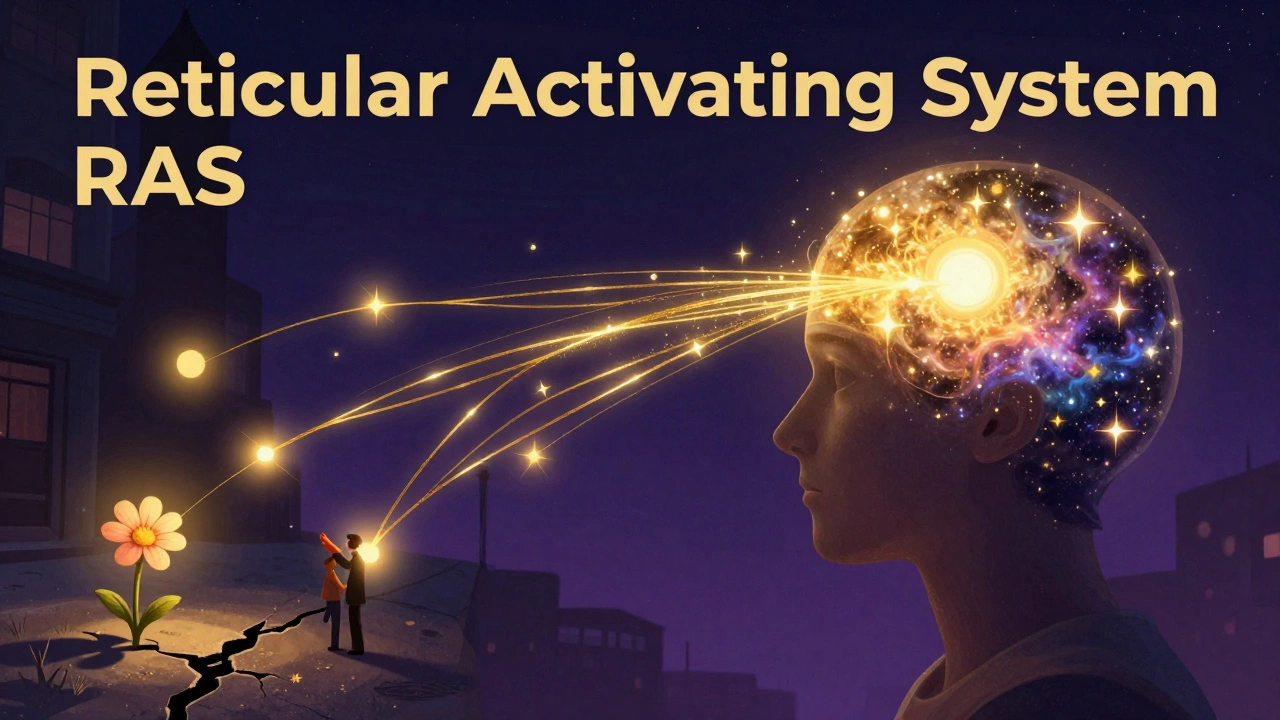
The Role of Gratitude in Sustaining Plenty
If you want to maintain this perspective, you need a daily anchor. Gratitude is that anchor. When you focus on what you already have, you stop the "leaky bucket" feeling of never having enough. Try a simple practice: every evening, list three things that went well or three things you are grateful for. Be specific. Instead of "I'm grateful for my family," try "I'm grateful for the way my daughter laughed at my bad joke today." Specificity forces the brain to engage more deeply with the positive evidence of abundance in your life. Over time, this shifts your default setting from "searching for what's missing" to "appreciating what's present."Can I really change my mindset if I've always felt limited?
Yes. Thanks to neuroplasticity, your brain can form new neural pathways. By consistently challenging scarcity thoughts and practicing gratitude, you can physically rewire how you respond to stress and opportunity. It takes time, but the more you act "as if" you have abundance, the more your brain accepts it as your new reality.
Does an abundance mindset make you less competitive?
It changes the type of competition. Instead of "destructive competition" (trying to pull others down to get ahead), you engage in "constructive competition" (trying to be the best version of yourself). You still want to win, but you no longer believe that others must lose for you to succeed.
How does this mindset affect financial decisions?
It often leads to better long-term financial health. People with a scarcity mindset often make panic-based decisions, like hoarding cash even when it's losing value to inflation or avoiding investments due to an irrational fear of loss. An abundance mindset encourages strategic risk-taking and investing in growth because it views the potential for gain as higher than the risk of total loss.
What is the first step to start today?
Start by identifying one area of your life where you feel "not enough." Whether it's time, money, or love, write down the limiting belief. Then, challenge it by finding three pieces of evidence that contradict that belief. This simple exercise breaks the loop of scarcity thinking.
Is abundance mindset just for entrepreneurs?
Not at all. While it's highly beneficial for business, it's equally powerful for parents, students, artists, and employees. Anyone who deals with other people or faces a desire for personal growth can benefit from seeing the world as a place of opportunity rather than a place of limitation.