Stress Relief Habit Builder
Build Your Stress Relief Plan
Choose 1-3 techniques from the article to start today. Small actions create big change.
Your Stress Relief Score
Select your habits to see your stress reduction potential
Science Says
30% stress reduction with just 2 techniques
Research Shows
38% lower heart disease risk with consistent practice
Real Impact
27% cortisol reduction in 12 weeks
You know that tightness in your chest when your inbox hits 50 unread emails? Or the way your jaw clenches when your boss says, "Can we talk?" Stress isn’t just a feeling-it’s a physical reaction. And if you’re not managing it, it’s wearing you down, slowly. The good news? You don’t need a meditation app, a spa weekend, or a therapist to start taking back control. Real stress relief starts with small, daily shifts in how you think-and what you do.
Stress isn’t the enemy. Your reaction to it is.
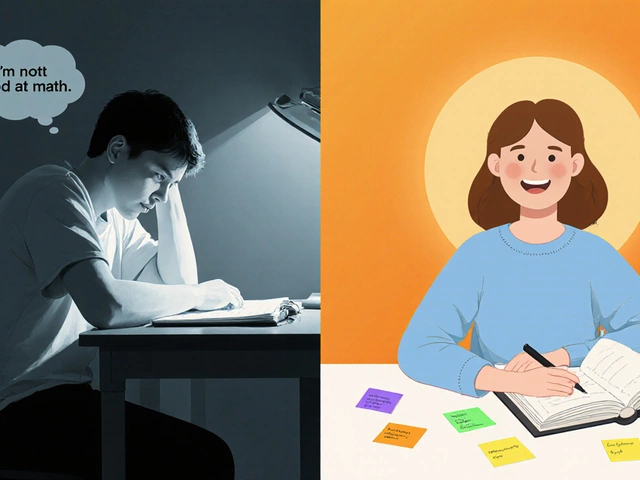
Most people think stress is caused by deadlines, money problems, or noisy neighbors. But that’s not the full story. Stress happens when your brain thinks something is dangerous-and it doesn’t care if the danger is real or just in your head. That’s why two people can face the same situation and react completely differently. One stays calm. The other spirals. The difference? Perception.
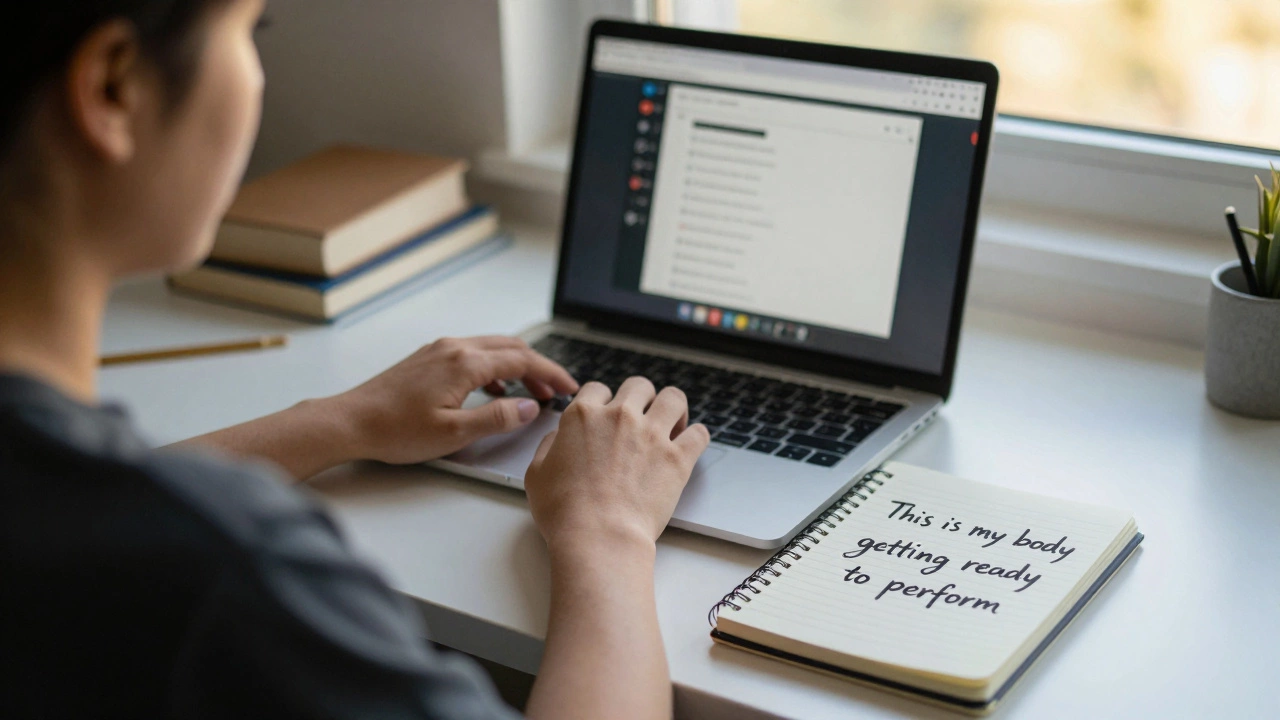
Research from Stanford University shows that people who view stress as a helpful signal-not a threat-have lower cortisol levels and recover faster. When your heart races before a presentation, your brain is preparing you: more blood flow to your muscles, sharper focus, faster thinking. It’s not failing you. It’s trying to help. The trick? Stop fighting it. Start saying, "This is my body getting ready to perform."
Pause before you react.
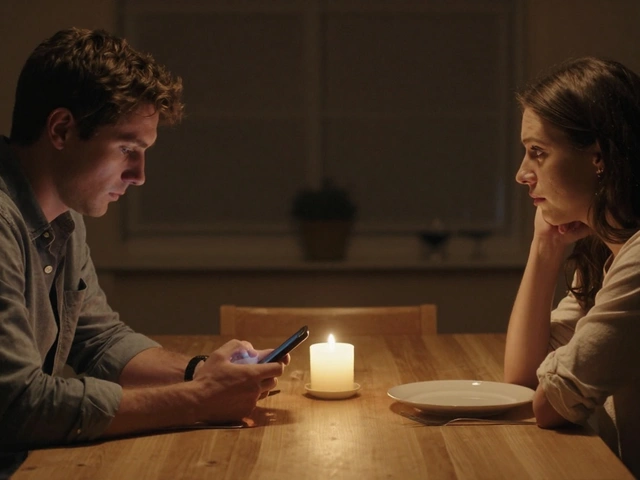
Stress spikes when you react on autopilot. That text from your partner that says "k"? You assume they’re mad. You snap back. Conflict explodes. But what if they’re just tired? What if they’re stuck in traffic? Your brain fills in the blanks-with fear.
Try this: Next time something triggers you, count to three. Not out loud. Just in your head. Three seconds. That’s all it takes to switch from emotional reaction to thoughtful response. It’s not magic. It’s biology. Your prefrontal cortex-the part that makes rational decisions-needs about 2.5 seconds to catch up to your amygdala, the panic button in your brain. Three seconds buys you back control.
Move your body, even a little.
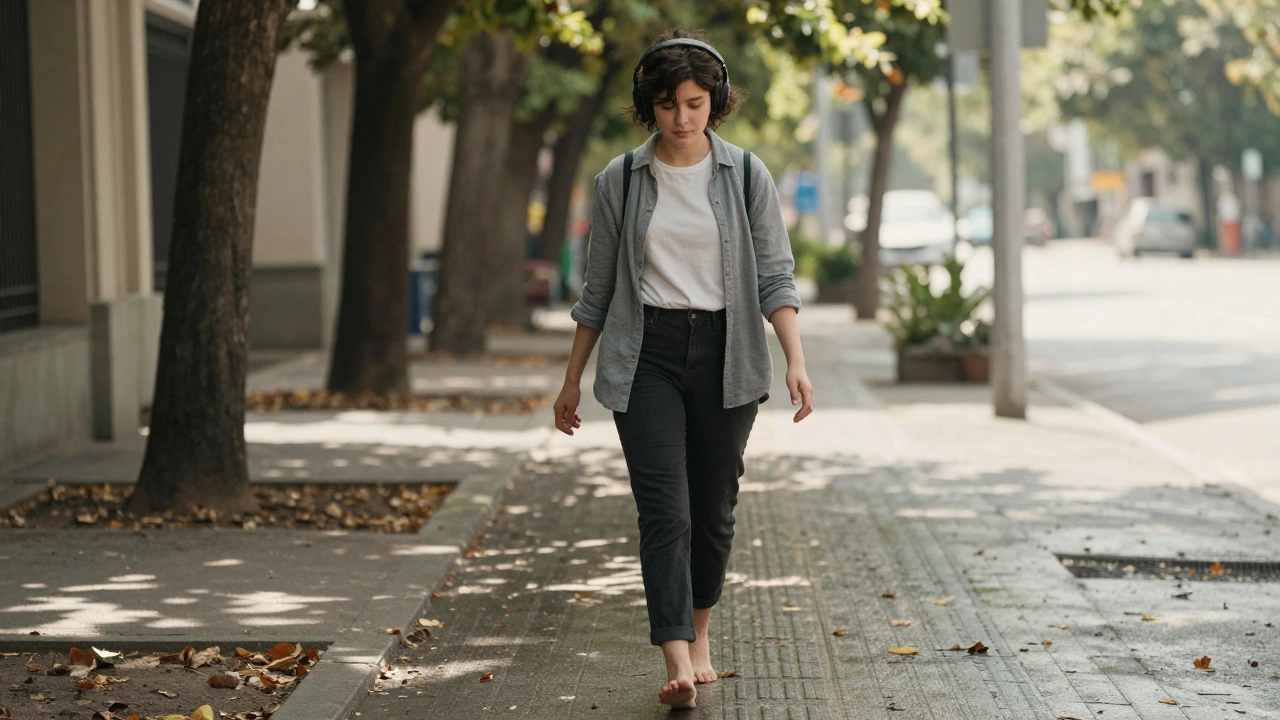
You don’t need to run a marathon. You don’t need to join a gym. You just need to move. A 2024 study in the Journal of Clinical Psychology found that people who took three 10-minute walks a week cut their stress levels by 40%. Walking isn’t about fitness. It’s about rhythm. Your body needs motion to reset its nervous system. The rhythm of your steps, the air on your skin, the sound of your breath-these things pull you out of your thoughts and back into your body.
Try this: Walk without headphones. Just listen. Notice the way the pavement feels under your shoes. The wind on your face. The way your shoulders drop after ten minutes. You’re not trying to relax. You’re just being present. That’s enough.
Write it out-not to fix it, but to release it.
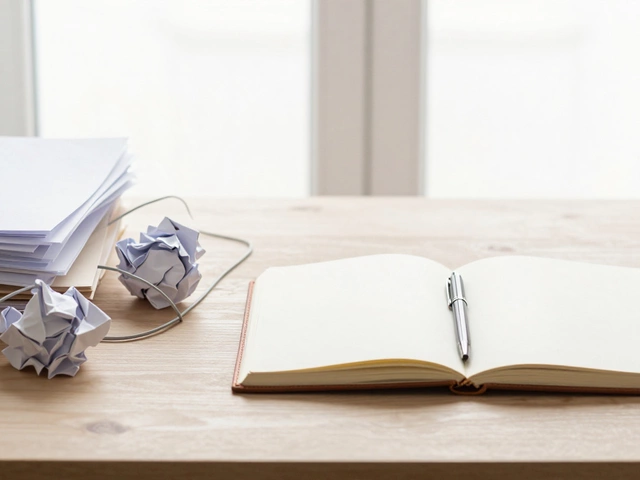
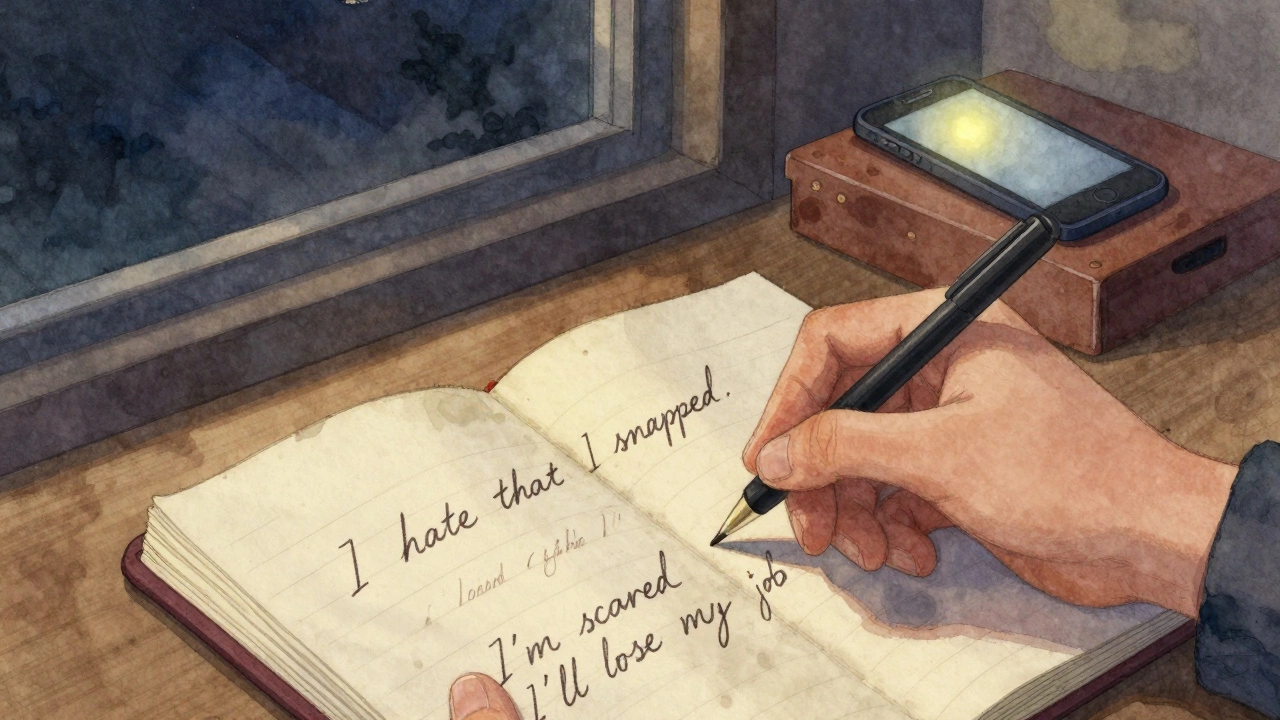
Journaling isn’t for poets. It’s for people who carry too much in their heads. You don’t need to write beautifully. You don’t need to make sense. Just dump it. Every night, before bed, grab any notebook and write for five minutes. No filter. No judgment. "I hate that I snapped at my kid." "I’m scared I’ll lose my job." "I feel like I’m falling behind."
This isn’t therapy. It’s pressure release. A 2023 Harvard study showed that people who wrote about their stress for 15 minutes a day, three times a week, had lower blood pressure and better sleep within four weeks. Why? Because when you put words to emotion, your brain stops looping. It says, "Okay, I’ve got this. I don’t need to keep screaming about it."
Stop checking your phone for 30 minutes after waking up.
Most people check their phone within 5 minutes of waking up. Emails. News. Social media. Notifications. That’s not a morning routine. That’s a stress injection. Your brain wakes up in chaos. You’re already behind before you’ve even had coffee.
Try this: For one week, don’t touch your phone for the first 30 minutes after you wake up. Drink water. Stretch. Look out the window. Let your mind wake up slowly. You’ll be amazed at how much calmer you feel by 9 a.m. This isn’t about productivity. It’s about setting the tone. Your day doesn’t need to start with someone else’s agenda.
Learn to say "no"-and mean it.
Overcommitment is one of the biggest silent stressors. You say yes because you don’t want to disappoint. But every yes is a no to your peace. You don’t have to be rude. You just have to be clear.
Try these phrases:
- "I can’t take this on right now."
- "I need to focus on my current priorities."
- "I appreciate you thinking of me, but I’m not available."
That’s it. No excuses. No over-explaining. People respect boundaries more than you think. And you’ll start to feel lighter-like you’ve taken back space in your own life.
What you’re doing right now matters more than what you’ll do tomorrow.
Stress doesn’t care about your long-term goals. It only cares about your next breath. That’s why the most powerful stress tools aren’t grand plans. They’re tiny, repeatable actions. A pause. A walk. A sentence written in the dark. Saying no. Not checking your phone.
You don’t need to fix everything. You just need to interrupt the cycle. One small choice, repeated daily, rewires your nervous system. That’s how calm becomes a habit-not a luxury.
Start today. Not tomorrow. Not when things calm down. Right now. Pick one thing from above. Do it. Then do it again tomorrow. That’s how you control stress-not by avoiding it, but by changing how you respond to it.
Can stress really affect my physical health?
Yes. Chronic stress triggers inflammation, raises blood pressure, weakens your immune system, and can lead to digestive issues, insomnia, and even heart problems. A 2025 study from the British Medical Journal found that people with unmanaged stress were 38% more likely to develop cardiovascular disease over five years. It’s not just "in your head." It’s in your body.
Is meditation necessary to control stress?
No. Meditation helps some people, but it’s not the only way. Many people find it hard to sit still or quiet their minds. That’s okay. The methods listed here-walking, writing, pausing, setting boundaries-work just as well. What matters is consistency, not technique. If meditation feels forced, skip it. Try something else.
What if I don’t have time to do any of this?
You don’t need extra time. You need to repurpose moments you already have. The 30-second pause before answering a text. The walk to the bus stop instead of scrolling. The five minutes writing before bed instead of watching TV. These aren’t additions. They’re replacements. You’re not adding stress relief to your day. You’re replacing stress triggers with calm habits.
Can changing my mindset really reduce stress?
Absolutely. A 2024 study at the University of Cambridge tracked 1,200 people who learned to reframe stress as energy, not threat. After 12 weeks, their cortisol levels dropped by an average of 27%. Their perception changed-and so did their biology. Your mind isn’t just reacting to stress. It’s creating it. Change how you think, and you change how you feel.
When should I seek professional help?
If you’ve tried these methods for 6-8 weeks and still feel overwhelmed, exhausted, or numb-especially if you’re having trouble sleeping, eating, or concentrating-it’s time to talk to someone. A therapist or counselor isn’t a last resort. It’s a tool. Just like a doctor for a broken arm. Stress doesn’t have to be a life sentence.