
Toast Builder & Timing Tool
Your Draft
Quick Checklist Before You Stand Up
- 1 Know your length < 3 Mins
- 2 Check facts/names Verify
- 3 Prepare glass level Half Full
- 4 Identify exit line Clear CTA
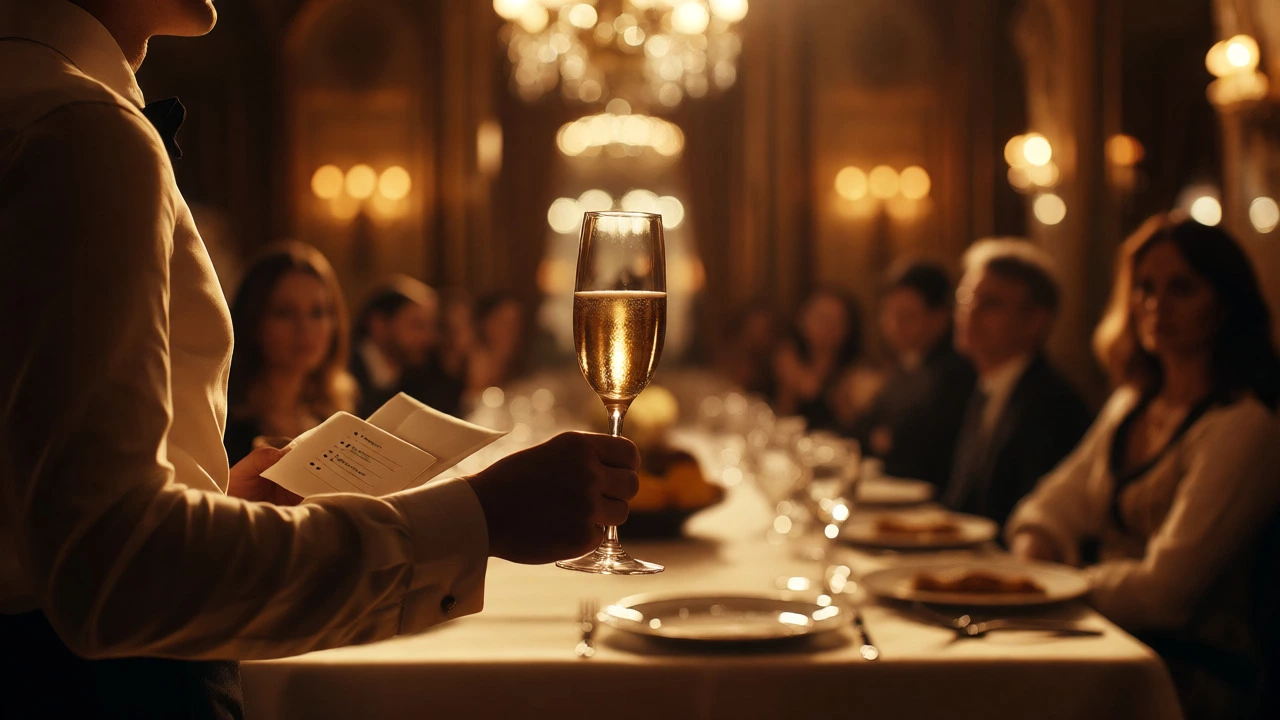
You’re standing up. The room goes quiet. Your heart is hammering against your ribs like a trapped bird. You have a glass in one hand, maybe some notes in the other, and suddenly every eye in the restaurant or banquet hall is locked onto you. This is the moment that separates a memorable evening from an awkward silence. Giving a confident and polite toast isn’t about being a professional comedian or having a silver tongue. It’s about respect, brevity, and genuine connection. If you can master these three elements, you’ll never dread being asked to say a few words again.
The Anatomy of a Perfect Toast
A great toast follows a simple structure. Think of it as a sandwich with three distinct layers. First, you acknowledge the occasion or the person. Second, you share a brief, relevant story or sentiment. Third, you raise your glass and invite others to join you. That’s it. No rambling anecdotes about your college roommate’s cat unless that cat is somehow central to the bride’s happiness. Keep it tight. Aim for two to three minutes maximum. Anything longer tests the patience of guests who are likely hungry or waiting for dessert.
Toast Etiquette is the set of social norms governing how one offers praise or good wishes by drinking in someone's honor. Unlike a formal speech, which might involve slides and data, a toast relies on emotional resonance and timing. When you stand up, wait for the clinking of glasses to stop. Silence is your friend. Rushing into your words while people are still settling down makes you look nervous. Take a breath. Make eye contact with different parts of the room. This establishes authority without aggression.
Preparation Is Half the Battle
Confidence comes from preparation, not improvisation. Even if you think you’re good at winging it, write something down. Not a full script-nobody wants to listen to someone reading verbatim-but bullet points. Jot down the names of the key people (the couple, the birthday boy, the retiree). Note one specific quality you admire about them. Recall one short, positive memory. Having this safety net means if your mind goes blank, you just glance at your napkin and keep going. It’s invisible to the audience but saves you from freezing.
Consider the context carefully. A toast at a corporate holiday party differs vastly from a best man speech at a wedding. At work, avoid inside jokes that exclude half the room. At weddings, steer clear of ex-partners or embarrassing childhood stories unless everyone already knows them and loves them. Know your audience. Are they family? Friends? Colleagues? Tailor your tone accordingly. Warmth works everywhere; sarcasm is risky.
Mastering Body Language and Voice
Your voice carries more weight than your words sometimes. Speak slower than you think you need to. Nervousness tends to speed us up, making us mumble. Lower your pitch slightly at the end of sentences to sound decisive rather than questioning. Stand tall. Shoulders back. Don’t hide behind the table. If there’s a microphone, use it properly-hold it close enough so your voice doesn’t crack, but not so close that it booms painfully into the speakers.
What do you do with your hands? Hold the glass steady. If you’re holding notes, keep them low so they don’t block your face. Avoid fidgeting with your tie or playing with your ring. These small movements signal anxiety. Instead, use open gestures when emphasizing a point. Smile genuinely. People mirror emotions. If you look relaxed and happy, they will feel relaxed and happy listening to you.

The Content: What to Say (and What to Skip)
Here is a breakdown of common pitfalls versus effective strategies:
| Element | Risky Approach | Confident & Polite Approach |
|---|---|---|
| Opening | "Um, hi, sorry, I'm not good at this..." | "For those who don't know me, I'm [Name], [Relation]." |
| Story Choice | Inside joke only 3 people get | Shared experience that highlights character |
| Tone | Sarcastic or overly sentimental | Sincere, warm, lightly humorous |
| Closing | Trailing off with "So yeah, cheers." | Clear call to action: "Please raise your glasses to..." |
Focus on sincerity. People forgive a lack of wit, but they rarely forgive insincerity or cruelty. If you’re praising someone, be specific. Instead of saying "She’s nice," say "She stayed up until 3 AM helping me move apartments, even though she had work the next day." Specificity proves you actually care and pay attention. It also makes the listener feel truly seen.
Handling Nerves and Mistakes
What if you stumble over a word? Or spill a drop of wine? Don’t panic. Acknowledge it briefly with a smile and move on. "Excuse me, let me adjust my grip," is fine. Audiences are generally forgiving if you remain composed. If you forget your next point, pause. A three-second silence feels like an eternity to you but looks like thoughtful deliberation to them. Then check your notes. No one will judge you for glancing down.
Alcohol management is crucial. One drink helps relax nerves. Two drinks might make you loud. Three drinks could make you forget your own name. Stick to water between sips of champagne or wine. Hydration keeps your voice steady and prevents that dry-mouth feeling that causes stuttering. Remember, you are the host of the moment, even if you aren’t the official host. Your behavior sets the tone for the rest of the meal.
The Final Raise: How to End Strong
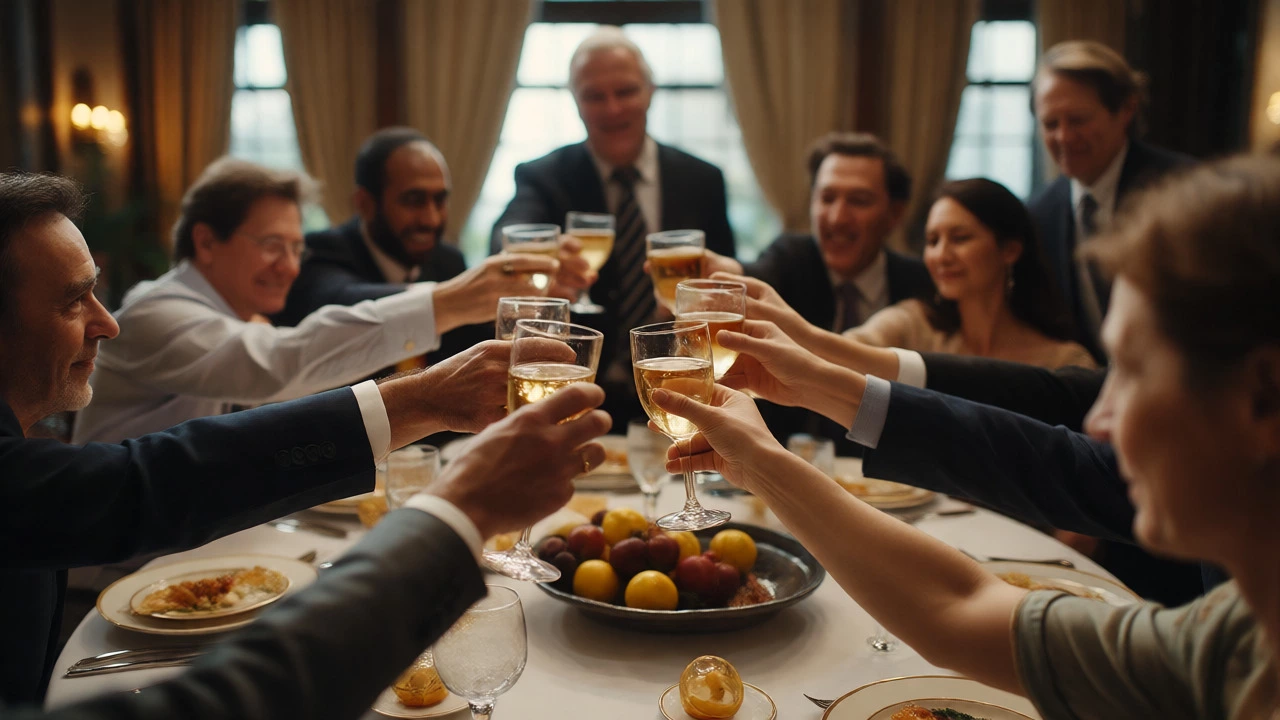
The ending matters most because it’s what leads directly into the communal act of drinking. Don’t just stop talking. Lead the group. Use a clear, inviting phrase. "To the happy couple!" or "To Sarah’s next chapter!" Wait a beat for everyone to lift their glasses. Then take a sip. Do not chug. A polite toast involves a modest sip, not a shot. After you sit down, try to catch the eye of the person you toasted. A nod or a smile reinforces the connection you just made.
If you’re giving a toast in a large group, ensure your volume projects to the back of the room. In smaller settings, intimacy is better. Adjust your energy level to match the venue. A backyard barbecue requires a looser, louder vibe than a candlelit dinner. Reading the room is part of the skill. Watch for cues-if people are laughing, lean into humor. If they’re teary-eyed, keep it gentle.
Quick Checklist Before You Stand Up
- Know your length: Have you timed it? Under 3 minutes is safe.
- Check your facts: Did you spell the honoree’s name right? Is the anniversary date correct?
- Prepare your glass: Is it filled enough to see through, but not so full it spills?
- Identify your exit line: What exact words will trigger the clink?
- Breathe: Three deep breaths before you rise. Oxygen reduces cortisol.
Giving a toast is a gift you give to the group. It marks a transition, celebrates a milestone, or honors a relationship. By keeping it concise, respectful, and prepared, you turn a potentially stressful obligation into a moment of shared joy. You don’t need to be perfect. You just need to be present.
How long should a toast last?
Ideally, between 60 seconds and 3 minutes. Shorter than 60 seconds can feel abrupt, while anything over 3 minutes risks losing the audience's attention, especially during a meal when people are eager to eat or mingle.
Do I need to hold a glass while toasting?
Yes, traditionally you hold a glass. It serves as a prop to keep your hands busy and signals the intent to drink together. If you don't drink alcohol, non-alcoholic sparkling cider or juice is perfectly acceptable. The ritual is about the gesture, not the beverage.
What if I forget what I wanted to say?
Pause and breathe. Glance at your notes if you have them. If you're completely stuck, simply raise your glass and say, "To [Name] and their wonderful journey ahead," then take a sip. Sincerity outweighs eloquence. Most guests won't notice a small gap if you recover calmly.
Is it okay to read from a phone?
It's better to use paper notes or a card. Phones can light up unexpectedly, reflect glare, or distract you with notifications. Holding a small card looks more traditional and less tech-dependent, keeping the focus on your face and words.
Should I tell a funny story?
Only if it's appropriate and kind. Humor eases tension, but avoid roasting the honoree unless you know they enjoy it. A lighthearted anecdote that shows affection is safer than a punchline that might fall flat or offend older relatives.