

Relationship Conflict Analyzer & Repair Tool
Identify the pattern. Apply the antidote. This tool helps you recognize John Gottman's "Four Horsemen" of relationship conflict and provides evidence-based strategies to repair damage and build healthier communication habits.
Describe Your Recent Conflict
Think about a recent disagreement with your partner. Describe what was said or done, focusing on specific behaviors and words. Be honest for the best analysis.
Your Conflict Analysis
Recommended Repair Strategies
Practice Exercise
Most people think a good relationship is one without arguments. That’s a myth. The reality? Couples who stay together long-term argue just as often as those who split up. The difference isn’t the absence of conflict; it’s how they handle it. If you’re reading this, you probably know that feeling in your chest when a disagreement starts heating up. It’s not about who is right or wrong anymore. It’s about fear. Fear that this small issue might crack the foundation of your partnership.
Resolving conflicts isn’t about winning. It’s about repairing. When you shift your goal from 'being right' to 'understanding each other,' everything changes. This guide breaks down exactly how to do that, moving away from generic advice and into actionable steps you can use today.
Why do we fight in relationships?
Conflict usually stems from unmet needs, miscommunication, or differing values, not malice. Understanding the root cause helps depersonalize the argument.
The Science Behind Relationship Conflict
To fix the problem, you first have to understand what’s happening under the hood. Psychologist John Gottman, known for his research on marital stability, identified four behaviors that predict divorce with over 90% accuracy. He calls them the "Four Horsemen": Criticism, Contempt, Defensiveness, and Stonewalling.
Criticism attacks your partner’s character ("You never listen") rather than their behavior ("I feel unheard when you check your phone"). Contempt is worse-it involves mocking, eye-rolling, or sarcasm. It signals disgust and is the single biggest predictor of relationship failure. Defensiveness is a counterattack that avoids responsibility. Stonewalling is shutting down completely, withdrawing from the interaction.
If you recognize these patterns in yourself, don’t panic. Awareness is the first step to change. The antidote to criticism is using "I" statements. The antidote to contempt is building a culture of appreciation. The antidote to defensiveness is taking responsibility. The antidote to stonewalling is self-soothing.
Step 1: Regulate Your Nervous System First
You cannot resolve a conflict if you are physiologically flooded. When your heart rate exceeds 100 beats per minute, your body enters "fight or flight" mode. In this state, your prefrontal cortex-the part of your brain responsible for logic and empathy-goes offline. You literally cannot process your partner’s perspective.
If you feel your face getting hot, your voice rising, or your thoughts racing, stop. Say this exact phrase: "I’m feeling overwhelmed. I need 20 minutes to calm down so I can listen to you properly." Then walk away. Do not slam doors. Do not sulk. Just leave the room.
Use that time wisely. Don’t rehearse your argument. Do something calming. Take a walk, wash your face with cold water, or practice box breathing (inhale for 4 seconds, hold for 4, exhale for 4, hold for 4). Wait until your heart rate drops below 100 bpm before returning to the conversation. This isn’t avoidance; it’s strategic pause.
Step 2: Master Active Listening
Most people don’t listen to understand. They listen to reply. Active listening flips this script. It requires you to suspend your judgment and truly hear what your partner is saying, including the emotions behind the words.
- Put distractions away. Phones, TVs, laptops-off. Eye contact matters.
- Reflect back. Repeat what you heard in your own words. "So, what I’m hearing is that you felt ignored when I came home late last night. Is that right?"
- Validate feelings. You don’t have to agree with their conclusion to validate their emotion. "It makes sense that you’d feel hurt given how important family dinners are to you."
This technique disarms anger because it shows respect. When people feel heard, their defensive walls lower. You’ll be surprised how many conflicts dissolve simply because one person finally felt understood.

Step 3: Use "I" Statements Instead of "You" Accusations
"You always..." and "You never..." are triggers. They put your partner on the defensive immediately. Instead, use the formula: "I feel [emotion] when [specific behavior] happens because [reason]."
For example, instead of saying, "You’re so messy," try: "I feel stressed when clothes are left on the floor because I value having a clean space to relax after work." Notice the difference? One attacks identity; the other expresses a need.
Be specific. Vague complaints like "You don’t help enough" are impossible to address. Specific requests like "Could you please load the dishwasher after dinner?" are actionable. Clarity reduces frustration for both parties.
Understanding Attachment Styles in Conflict
Your reaction to conflict is often rooted in your attachment style, developed in childhood. There are three main types: Secure, Anxious, and Avoidant.
| Style | Reaction to Conflict | Underlying Fear |
|---|---|---|
| Anxious | Pursues, seeks immediate resolution, may become clingy or emotional | Abandonment, being unloved |
| Avoidant | Withdraws, needs space, minimizes issues, may seem cold | Enmeshment, loss of independence |
| Secure | Stays calm, communicates needs clearly, offers comfort | Low fear of intimacy or autonomy |
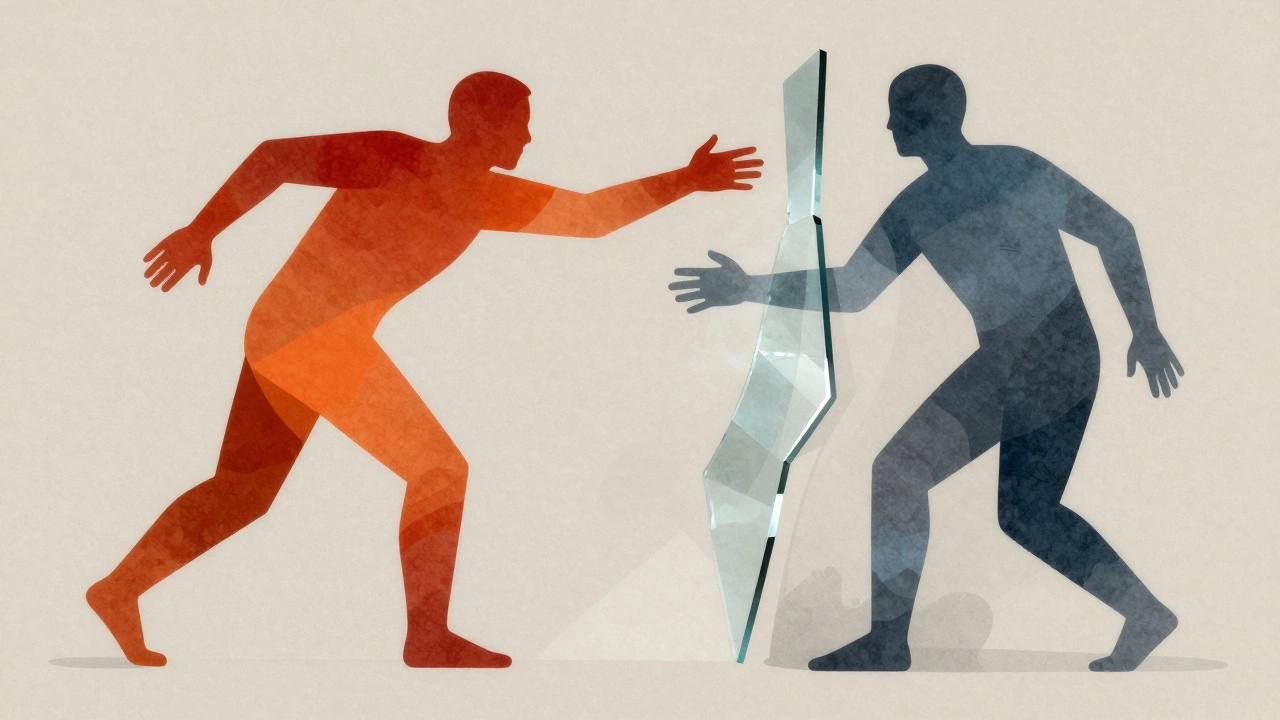
If you’re anxious, your partner’s withdrawal feels like rejection. If you’re avoidant, your partner’s pursuit feels like suffocation. This creates a toxic cycle known as the "Pursuer-Distancer" dynamic. Recognizing this pattern helps you realize your partner isn’t trying to hurt you. They’re reacting to their own fears. Discussing these styles openly can build immense empathy.
When to Seek Professional Help
Sometimes, you hit a wall. If you find yourselves stuck in repetitive arguments, experiencing contempt regularly, or dealing with trauma, betrayal, or abuse, professional intervention is necessary. Couples therapy isn’t a last resort; it’s a tool for growth.
Look for therapists trained in Evidence-Based practices like Emotionally Focused Therapy (EFT) or Gottman Method. These approaches provide structured frameworks for breaking negative cycles. A neutral third party can help you see blind spots and facilitate safer conversations.
Remember, seeking help is a sign of strength, not weakness. It shows you value the relationship enough to invest in its health.
Building a Culture of Appreciation
Prevention is better than cure. Research shows that stable couples have a 5:1 ratio of positive to negative interactions. For every critical comment, there should be five moments of connection, gratitude, or affection.
Make it a habit to express appreciation daily. Thank your partner for making coffee. Compliment their effort at work. Share a hug when you reunite. These small deposits build an emotional bank account that buffers against the inevitable withdrawals of conflict.
Conflict will always exist in relationships. But with the right tools-emotional regulation, active listening, clear communication, and mutual respect-you can transform arguments into opportunities for deeper connection. Start small. Pick one technique from this guide and practice it today. Your future self will thank you.
What is the best way to start a difficult conversation?
Start by setting a gentle opening. Ask for permission to talk: "Is now a good time to discuss something that’s been on my mind?" This respects their readiness and reduces defensiveness.
How do I deal with a partner who refuses to communicate?
If your partner stonewalls, avoid chasing them. Give them space but set a boundary: "I’m here when you’re ready to talk. Let’s revisit this in two hours." Consistency is key.
Can past trauma affect current relationship conflicts?
Yes, significantly. Unresolved trauma can trigger disproportionate reactions. Individual therapy alongside couples counseling can help address these deep-seated issues effectively.
Is it normal to cry during an argument?
Crying is a natural stress response. It’s okay to take a break if emotions overwhelm you. Communicate your need for a pause respectfully rather than hiding tears.
How often should couples have serious discussions?
Regular check-ins, perhaps weekly, help prevent buildup. Keep them brief and focused on appreciation and minor adjustments rather than deep dives unless needed.