

Modern Gentleman Assessment
Forget the tuxedo and the white gloves. If you are trying to figure out what women actually want from a partner today, looking at old movies is going to lead you astray. The concept of a "gentleman" has shifted dramatically over the last decade. It is no longer about performing rigid social rituals or maintaining a facade of stoic control. In 2026, being a modern gentleman is less about how you dress for a gala and more about how you handle conflict, share domestic responsibilities, and support your partner’s ambitions.
The core question isn't "How do I act like a man?" but rather "How do I act like a good human being who respects his partner?" Women today value authenticity, emotional availability, and partnership above all else. They are looking for someone who is secure enough to be vulnerable and responsible enough to follow through on small promises. This guide breaks down the specific traits that define this new standard, moving away from clichés and into practical, actionable behaviors.
Emotional Intelligence Is Non-Negotiable
If there is one trait that separates the outdated idea of masculinity from the modern gentleman, it is emotional intelligence. The capacity to recognize, understand, and manage one's own emotions while empathizing with others. In the past, men were often encouraged to suppress feelings. Today, that suppression is seen as a liability, not a strength. Women value partners who can articulate their feelings without aggression or withdrawal.
This doesn't mean you need to be overly dramatic. It means you can say, "I'm feeling stressed about work, and I need an hour to decompress before we talk," instead of shutting down completely. It means listening to understand, not just waiting for your turn to speak. When a woman shares a problem, she often wants empathy, not immediate solutions. A modern gentleman asks, "Do you want me to help fix this, or do you just want to vent?" That single question shows a level of awareness that goes a long way.
Empathy also extends to recognizing the invisible labor many women still carry. Notice when your partner is overwhelmed. Offer to take over dinner prep or childcare without being asked. Seeing the load and helping to lift it is a profound display of emotional intelligence. It signals that you view her life as equally important to yours.
Respect in Action, Not Just Words
Respect is the foundation of any healthy relationship, but it is easy to treat it as a vague concept. For the modern gentleman, respect is concrete. It is shown through boundaries, consent, and equality. It means accepting "no" as a complete sentence. It means respecting her career goals even if they require sacrifices from you, such as relocating or adjusting your schedule.
Consider the dynamics of decision-making. Are financial decisions made jointly? Are plans for the weekend negotiated rather than dictated? A modern gentleman does not assume authority by default. He recognizes that his partner is an equal stakeholder in the relationship. This includes respecting her autonomy outside the relationship. Encouraging her time with friends, her hobbies, and her personal growth demonstrates that you value her as an individual, not just as a component of your couple identity.
Furthermore, respect involves how you speak about her and to others. Criticizing her in front of friends or family is a major red flag. Dismissing her opinions in group settings undermines her confidence. True respect is consistent, whether you are alone in the kitchen or at a crowded party. It is about amplifying her voice, not silencing it.
Communication: The Bridge to Intimacy
Effective communication is the skill of exchanging information, ideas, and feelings clearly and respectfully. Many relationships fail not because of a lack of love, but because of a lack of communication skills. Women value partners who are proactive communicators. This means initiating difficult conversations rather than avoiding them until they explode.
Think about the last argument you had. Did you focus on winning, or did you focus on resolving the issue? A modern gentleman prioritizes the health of the relationship over being right. He uses "I" statements to express his needs without blaming. Instead of saying, "You never listen to me," he says, "I feel unheard when I'm interrupted." This subtle shift reduces defensiveness and opens the door to genuine dialogue.
Regular check-ins are also crucial. Life gets busy, and couples can drift apart. Setting aside time each week to discuss the state of the relationship-what’s working, what’s not, and what’s coming up-shows commitment. It treats the relationship as a living thing that requires maintenance, not a static achievement that happens once you get engaged or married.

Shared Responsibility and Domestic Partnership
The era of the man who "helps" around the house is over. The word "help" implies that the domestic sphere is primarily her responsibility. A modern gentleman views household management as a shared duty. This includes cleaning, cooking, laundry, and administrative tasks like scheduling appointments or paying bills.
It is not about splitting every task down the middle with a stopwatch. It is about ownership. If you see a dirty dish, you wash it. If the trash is full, you take it out. You do not wait to be assigned chores like a child. This proactive approach relieves mental load from your partner. The "mental load" refers to the cognitive effort required to plan, organize, and manage household logistics. Carrying half of that burden is a tangible way to show you value her time and energy.
In 2026, with dual-income households being the norm, fairness at home is critical. If both partners work full-time, neither should come home to a second shift of unpaid labor. Demonstrating competence in domestic tasks shows maturity and reliability. It proves that you are capable of managing your own life and contributing to a shared life.
Authenticity and Vulnerability
There is a misconception that strength means invulnerability. In reality, hiding your fears and insecurities creates distance. Women value authenticity. They want to know the real you, flaws and all. Being authentic means dropping the performance. It means admitting when you don't know something, apologizing sincerely when you mess up, and sharing your hopes and dreams.
Vulnerability is not weakness; it is courage. It takes bravery to say, "I'm scared we're drifting apart," or "I felt hurt by what you said." These moments of honesty build deep trust. They invite your partner to be vulnerable with you too. This reciprocal openness creates a safe space where both individuals can grow.
Authenticity also extends to your values and interests. Don't pretend to like things just to impress her. Be genuine about what you enjoy. If you love hiking, invite her along. If you love video games, share that passion. She chose you for who you are, not for a curated version of yourself. Consistency between your public persona and private self is key to long-term attraction.
Supporting Ambition and Independence
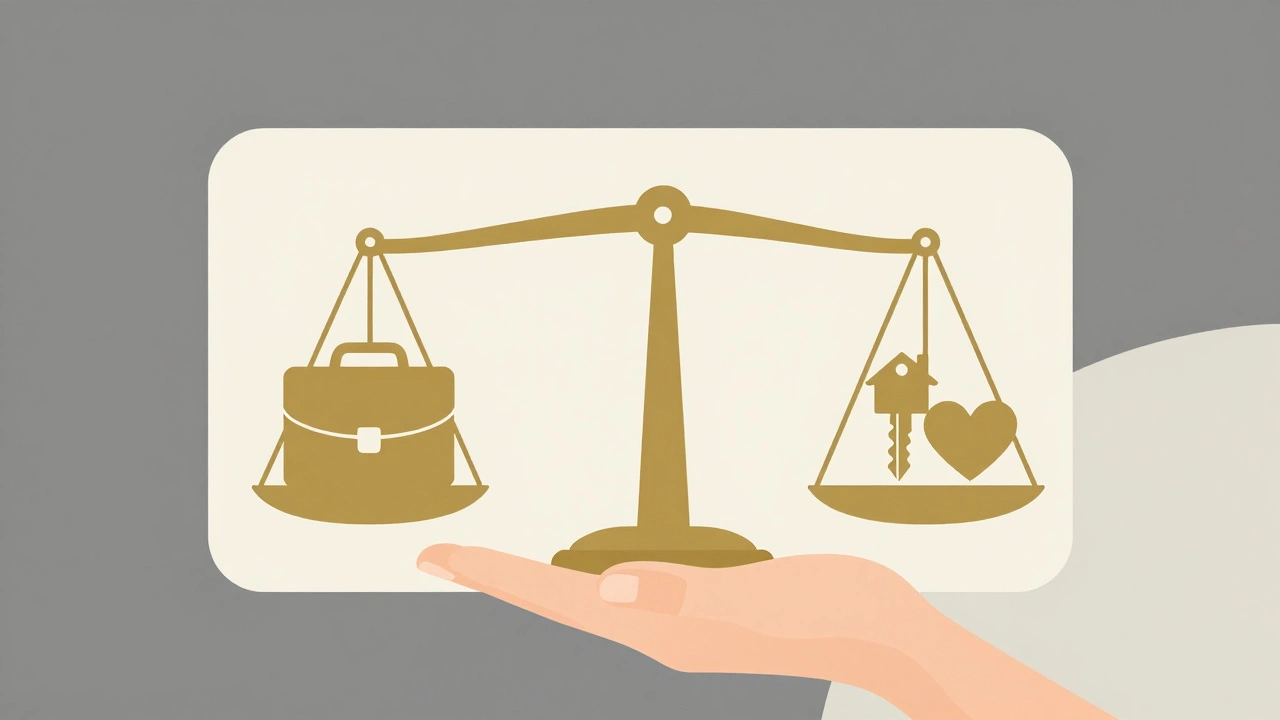
A modern gentleman celebrates his partner's success. He is not threatened by her achievements. In fact, he is inspired by them. Whether she is climbing the corporate ladder, starting a business, or pursuing an artistic endeavor, he acts as a cheerleader and a stabilizer. He offers encouragement, constructive feedback, and practical support.
This support might look like taking on extra chores so she can prepare for a big presentation. It might involve networking connections or simply listening to her rehearse a pitch. It means understanding that her ambition is part of her identity and deserves protection and nurturing.
Independence is also valued. While partnership is essential, codependency is not. A modern gentleman maintains his own friendships, hobbies, and goals. He understands that two whole individuals make a stronger couple than two halves trying to fit together. Encouraging her independence reinforces the idea that you love her for who she is, not for what she provides for you.
| Trait | Traditional View | Modern Gentleman (2026) |
|---|---|---|
| Emotions | Suppress and hide | Acknowledge and communicate |
| Household Chores | "Help" when asked | Share ownership proactively |
| Conflict | Win the argument | Resolve the issue together |
| Partner's Career | Secondary to his | Equally important and supported |
| Vulnerability | Sign of weakness | Sign of trust and strength |
Reliability and Follow-Through
Trust is built in drops and lost in buckets. One of the most underrated qualities of a modern gentleman is reliability. It sounds simple, but it is rare. If you say you will call, you call. If you promise to pick up groceries, you bring them home. Small consistencies build a foundation of safety.
Women value partners who are predictable in their integrity. You don't have to be perfect, but you must be accountable. If you forget something, apologize and fix it. Don't make excuses. Accountability shows that you respect her time and expectations. It demonstrates that you are a mature adult who can be depended upon.
This reliability extends to emotional consistency. You shouldn't be loving one day and cold the next. Stability is attractive. Knowing that your partner will show up for you, emotionally and physically, allows for deeper intimacy. It removes the anxiety of wondering where you stand.
Physical Affection and Presence
While emotional connection is paramount, physical affection remains important. However, the modern gentleman understands that touch is about connection, not just sex. Holding hands, hugging, kissing goodbye, and sitting close on the couch are ways to maintain a bond throughout the day.
Presence is key. Put the phone away when you are together. Listen actively. Make eye contact. In a world distracted by screens, giving someone your undivided attention is a gift. It shows that you value the moment and the person in front of you. This mindfulness enhances both emotional and physical intimacy.
Consent applies to physical affection too. Check in with your partner. Ask if she wants a hug. Respect her boundaries. This mutual respect ensures that physical closeness is always welcome and enhancing, rather than obligatory or intrusive.
Is being a modern gentleman about gender roles?
No. The modern gentleman framework is about partnership and respect, not enforcing traditional gender roles. It encourages men to break free from restrictive stereotypes that limit emotional expression and domestic participation. It is about creating an equitable relationship where both partners contribute based on their strengths and preferences, not societal expectations.
How can I improve my emotional intelligence?
Start by practicing self-awareness. Journal about your feelings to identify patterns. Practice active listening in conversations, focusing on understanding rather than responding. Seek feedback from trusted friends or partners about how you handle emotions. Reading books on psychology or seeking therapy can also provide valuable tools for managing emotions effectively.
What if my partner expects traditional behavior?
Communication is key. Discuss your values and expectations openly. While the trend is toward egalitarian partnerships, every relationship is unique. Find a balance that works for both of you. However, ensure that any compromise does not undermine your core values of respect and equality. Healthy relationships require mutual adaptation.
Does being a modern gentleman mean I lose my masculinity?
Absolutely not. True masculinity is defined by character, not rigidity. Traits like protectiveness, strength, and leadership are still valued, but they are expressed through supporting your partner, standing up for justice, and leading by example in kindness and responsibility. Expanding your emotional range makes you a more well-rounded and resilient man.
How do I handle conflict as a modern gentleman?
Approach conflict with curiosity, not anger. Use "I" statements to express your feelings without blaming. Take breaks if emotions run high, but commit to returning to the conversation. Focus on finding a solution that satisfies both parties. Apologize sincerely when you are wrong, and forgive when your partner apologizes. The goal is resolution, not victory.