

Positive Mindset Reframing Tool
Use this tool to practice cognitive reframing, a key technique for building mental resilience and shifting from a fixed to a growth mindset.
Ever noticed how some people seem to bounce back from bad days while others spiral into stress? It’s not magic. It’s mindset. Specifically, it’s what psychologists call a positive mindset, which is a mental and emotional orientation that focuses on the bright side of situations, even during difficult times. But let’s get one thing straight right away: having a positive mindset doesn’t mean ignoring reality or pretending everything is perfect when your car breaks down or you miss a deadline. That’s called toxic positivity, and it actually hurts more than it helps.
Real optimism is practical. It’s about looking at a problem and asking, "What can I control here?" instead of "Why does this always happen to me?" Think of it like wearing sunglasses on a cloudy day. The sun isn’t shining, but you’re still prepared for brightness when it breaks through. This approach builds mental resilience, helping you handle life’s inevitable curveballs without losing your cool.
Interestingly, maintaining this kind of perspective requires discipline. You have to actively train your brain to notice good things rather than just scanning for threats. Speaking of noticing things, if you ever find yourself traveling and wanting to discover unique local experiences, checking out resources like this directory can sometimes offer insights into how different cultures approach personal connections and hospitality, though that’s a bit off our main topic today. Let’s get back to rewiring your brain for better outcomes.
The Science Behind Your Brain’s Default Settings
To understand why a positive mindset feels hard sometimes, you need to know about the negativity bias. Our ancestors survived by spotting tigers in the bushes, not by admiring the sunset. So, your brain is wired to remember insults, failures, and dangers much more vividly than compliments or small wins. This survival mechanism kept us alive thousands of years ago, but now it just makes us anxious.
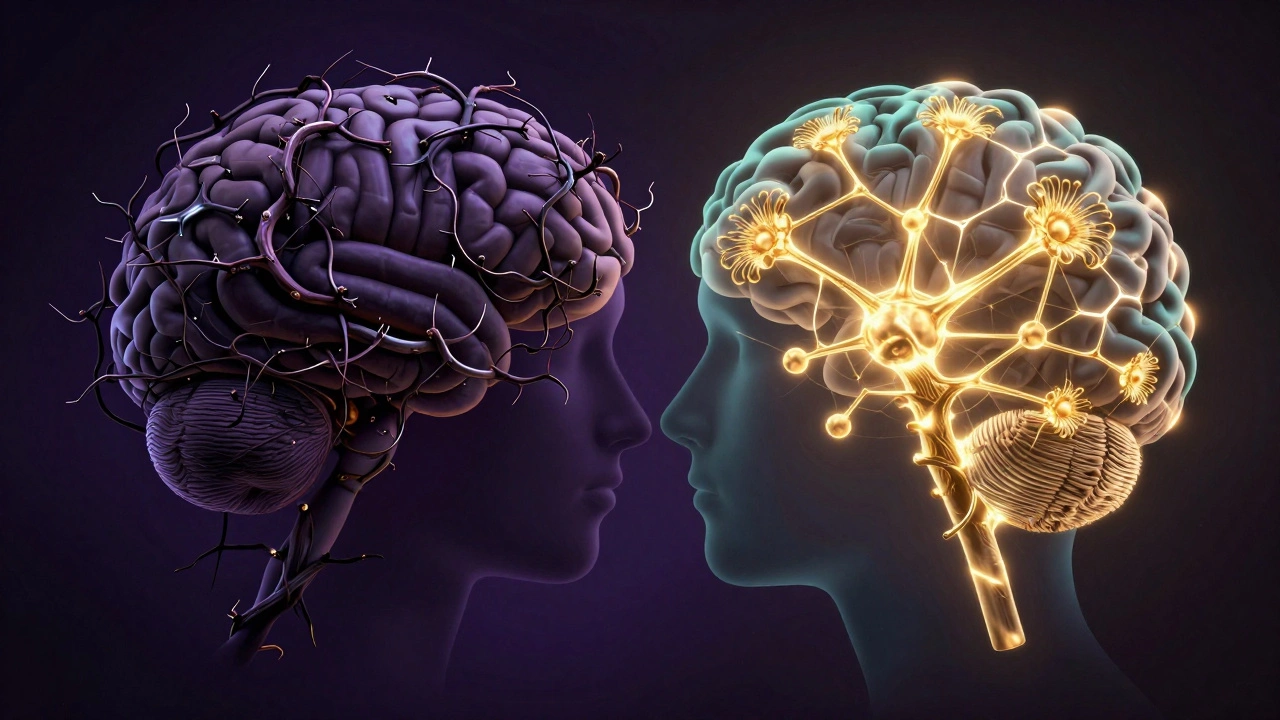
A positive mindset works by overriding this default setting. When you consciously choose to focus on solutions rather than problems, you strengthen neural pathways associated with calmness and creativity. Over time, this becomes easier. It’s like building a muscle. At first, lifting weights hurts. After months of practice, it feels natural. Neuroplasticity-the brain’s ability to reorganize itself-is the key player here. Every time you reframe a negative thought, you physically change your brain structure slightly.
This isn’t just feel-good theory. Studies show that people who practice cognitive reframing (changing how you view a situation) experience lower levels of cortisol, the stress hormone. Lower cortisol means better sleep, stronger immunity, and sharper focus. So, adopting a positive outlook isn’t just about feeling happy; it’s about functioning better physically and mentally.
Growth vs. Fixed Mindset: The Core Difference
You’ve probably heard these terms before, but understanding the difference is crucial for developing a lasting positive mindset. Psychologist Carol Dweck introduced the concept of growth mindset, defined as the belief that abilities and intelligence can be developed through dedication and hard work. On the flip side, a fixed mindset assumes your talents are set in stone. If you fail, you think, "I’m just not smart enough." With a growth mindset, you think, "I haven’t figured this out yet."
Here’s how they play out in real life:
- Fixed Mindset: Avoids challenges because failure feels like a verdict on your worth.
- Growth Mindset: Embraces challenges as opportunities to learn and improve.
- Fixed Mindset: Ignores useful criticism because it feels like an attack.
- Growth Mindset: Seeks feedback to identify areas for improvement.
- Fixed Mindset: Feels threatened by others’ success.
- Growth Mindset: Finds inspiration and lessons in others’ achievements.
Shifting from fixed to growth doesn’t happen overnight. You might catch yourself thinking, "I’m terrible at public speaking," and then gently correct it to, "I’m getting better at public speaking every time I try." That tiny shift changes your entire relationship with effort and failure.
Practical Steps to Cultivate a Positive Outlook
Knowing the theory is great, but how do you actually build this habit? Here are actionable steps you can start using today:
- Practice Gratitude Daily: Write down three specific things you’re grateful for each morning. Not just "my family," but "the way my partner made coffee this morning." Specificity forces your brain to scan for positives.
- Reframe Negative Thoughts: When you think, "This project is impossible," pause and ask, "What part of this project is manageable?" Break big fears into small tasks.
- Limit Doomscrolling: Constant exposure to bad news trains your brain to expect disaster. Set strict limits on social media and news consumption.
- Surround Yourself with Optimists: Attitude is contagious. Spend more time with people who solve problems rather than complain about them.
- Celebrate Small Wins: Did you reply to that annoying email? Acknowledge it. Rewarding progress keeps motivation high.
Consistency matters more than intensity. Doing five minutes of gratitude journaling every day beats doing an hour once a month. Your brain needs repetition to wire in new habits.
Common Myths About Positivity
There’s a lot of misinformation floating around about what it means to be positive. Let’s clear up some common misconceptions so you don’t fall into traps that undermine your mental health.
| Myth | Reality |
|---|---|
| You must always smile and hide pain. | Healthy positivity includes acknowledging sadness and anger as valid emotions. |
| Positive thinkers never face problems. | They face the same problems but cope with them more effectively. |
| It’s easy if you just try harder. | It requires consistent practice and often professional support for deep-seated issues. |
| Negativity is always bad. | Constructive criticism and realistic risk assessment are essential for safety and growth. |
Toxic positivity occurs when we dismiss genuine struggles with phrases like "Just stay positive!" This invalidates the person’s feelings and pushes them deeper into isolation. True emotional intelligence involves accepting all emotions-joy, grief, anger, fear-and processing them healthily. A positive mindset gives you the tools to navigate dark times, not pretend they don’t exist.

How Positivity Impacts Relationships and Work
Your mindset ripples outward. When you approach conflicts with curiosity instead of defensiveness, relationships improve dramatically. Instead of assuming your partner forgot to do chores out of disrespect, you might assume they were overwhelmed. This simple shift reduces arguments and builds trust.
In the workplace, employees with a growth mindset innovate more. They aren’t afraid to propose half-formed ideas because they see feedback as data, not judgment. Managers who foster psychological safety-where team members feel safe to take risks-see higher productivity and retention rates. Positivity creates a collaborative environment where everyone feels valued.
Even in casual friendships, being the person who offers solutions rather than just venting makes you someone others want to spend time with. No one wants to hang out with a constant energy drain. Being emotionally balanced attracts healthier connections.
Maintaining Momentum During Hard Times
Life will throw curveballs. Job loss, illness, breakups-these events test any mindset. The goal isn’t to remain cheerful during tragedy; it’s to maintain hope. Hope is the belief that things can get better, even if they’re bad right now.
During crises, lean on your support network. Talk to friends, join support groups, or seek therapy. Vulnerability is strength, not weakness. Also, focus on routine. When everything feels chaotic, sticking to a simple schedule-eating regular meals, sleeping at consistent times-provides stability. Small acts of self-care become anchors in stormy seas.
Remember, setbacks are temporary. Your response defines the outcome, not the event itself. By practicing resilience daily, you build a buffer against future shocks. You won’t avoid pain, but you’ll recover faster and wiser.
Is a positive mindset genetic?
Research suggests genetics account for about 50% of your baseline happiness level. However, the remaining 50% is influenced by intentional activities and circumstances. This means you have significant control over your mindset regardless of your genetic predisposition.
How long does it take to develop a positive mindset?
Most people begin noticing shifts in mood and perspective within two to four weeks of consistent practice. However, deeply ingrained negative thought patterns may take several months to fully rewire. Patience and consistency are key.
Can meditation help improve my mindset?
Yes. Mindfulness meditation teaches you to observe thoughts without judgment. This detachment allows you to choose which thoughts to engage with, reducing automatic negative reactions and fostering a calmer, more positive outlook.
What is the difference between optimism and denial?
Optimism acknowledges difficulties but believes in the possibility of positive outcomes. Denial refuses to accept reality altogether. An optimist prepares for rain by carrying an umbrella; a denier insists the sky is clear despite the clouds.
Does exercise really affect mental attitude?
Absolutely. Physical activity releases endorphins and serotonin, neurotransmitters that regulate mood. Regular exercise reduces symptoms of anxiety and depression, creating a biological foundation for a more positive mindset.