

Executive Style & Color Strategy Tool
Select the essential pieces to build your curated executive foundation. Remember: fit beats price every time.
Your Executive Profile
Selected Items: 0/5
- Select items from the left to see your profile.
Colors are psychological tools. Select your upcoming scenario to determine the optimal color palette for maximum impact.
You walk into a boardroom, and before you say a word, people know who you are. That isn’t magic; it’s your clothes talking for you. For years, the image of a CEO is the chief executive officer responsible for a company's daily operations and strategic direction was stuck in the past: dark suits, white shirts, and red ties. But times have changed. In 2026, looking like a leader doesn't mean wearing a costume from the nineties. It means projecting confidence, competence, and clarity through your outfit.
If you want to dress like a modern male CEO, you need to move beyond basic business casual. You need a wardrobe that commands respect without screaming for attention. This guide breaks down exactly how to build that look, piece by piece, so you can walk into any room and own it.
The Foundation: Fit Is Everything
Before you buy expensive brands or chase trends, understand this one rule: fit beats price every time. A $50 shirt that fits perfectly looks better than a $500 shirt that hangs loosely on your shoulders. Most men wear clothes that are too big because they’re comfortable, but comfort shouldn’t come at the cost of silhouette.
Your shoulder seams should sit right at the edge of your shoulder bone. If they droop down your arm, the jacket is too big. Your trousers should hit just above your shoe with a slight break, not pooling around your ankles. When your clothes follow your body’s natural lines, you look sharper and more intentional. Tailoring is not optional if you want to achieve an executive aesthetic. Find a local tailor in Leeds or wherever you live and get your key pieces adjusted. It costs less than you think and transforms your entire appearance.
Building the Core Wardrobe
A CEO’s closet is curated, not cluttered. You don’t need fifty options; you need ten perfect ones that mix and match effortlessly. Here are the non-negotiable items you need to start building your executive foundation.
- The Navy Blazer: This is your most versatile piece. Unlike a black suit jacket, which can look like a waiter’s uniform, a navy blazer works for meetings, dinners, and travel. Look for unstructured styles with soft shoulders for a modern feel.
- Crisp White Shirts: Invest in high-quality cotton shirts. They should be slim but not tight. Stick to classic collars like the button-down or spread collar. Avoid stiff, plasticky collars that look outdated.
- Dark Denim: Yes, CEOs wear jeans. But only dark, indigo denim with no distressing, fading, or holes. Pair them with a blazer and loafers, and you’ve got a powerful smart-casual look.
- Quality Loafers: Swap out your sneakers for leather loafers. Penny loafers or horsebit loafers in brown or black add instant sophistication. They signal that you value craftsmanship.
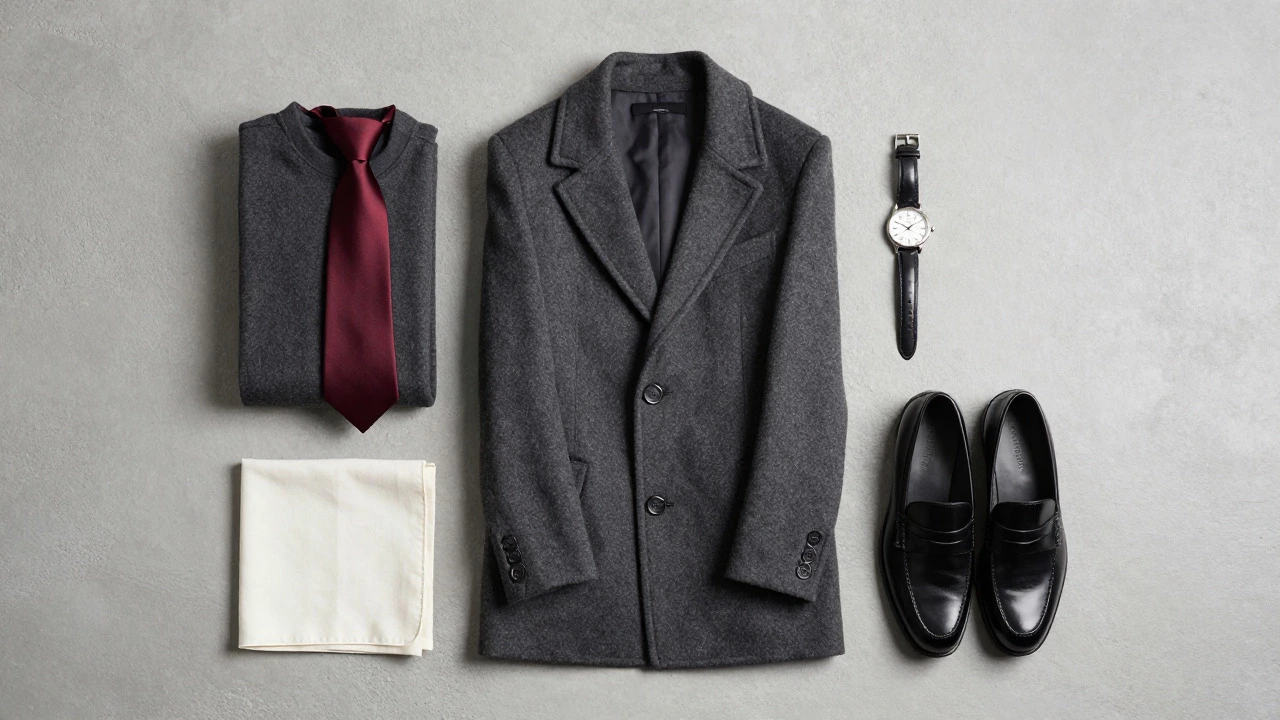
- A Wool Overcoat: For colder months, a camel or charcoal wool overcoat is essential. It frames your silhouette and adds a layer of authority when you step outside.
Color Psychology in Business Attire
Colors aren’t just visual; they’re psychological tools. When you choose what to wear, you’re sending a message about your personality and intent. Understanding color psychology helps you dress for the specific outcome you want in a meeting.
| Color | Psychological Effect | Best Used For |
|---|---|---|
| Navy Blue | Trust, stability, intelligence | Client pitches, negotiations, first impressions |
| Charcoal Grey | Authority, neutrality, professionalism | Board meetings, formal presentations |
| White/Cream | Cleanliness, clarity, openness | Shirts, summer events, creative industries |
| Burgundy/Wine | Confidence, passion, energy | Ties, pocket squares, accessories |
Stick to neutral tones as your base. Bright colors can distract from your message. If you want to stand out, do it with texture-like a tweed jacket or a knit tie-rather than neon hues. The goal is to be memorable for your ideas, not your loud shirt.
The Tech-Executive Uniform
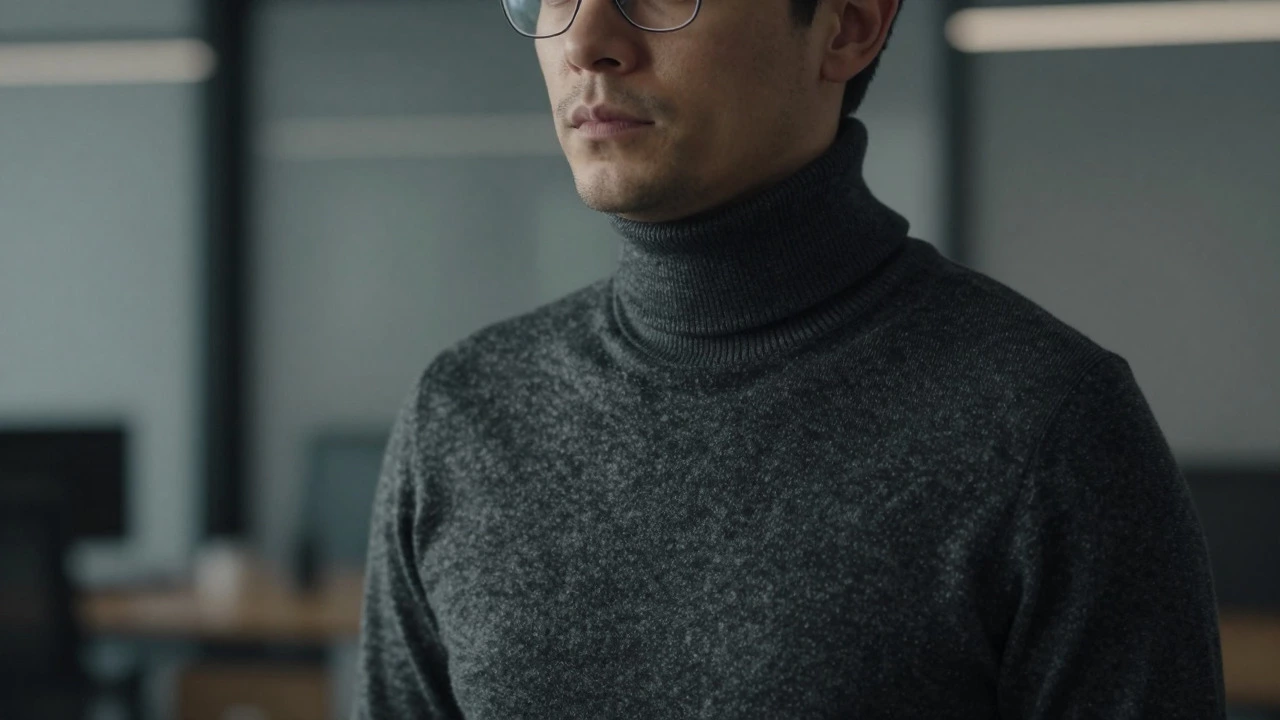
Not all CEOs wear suits. In fact, many tech leaders popularized a different approach: the "uniform." Think Mark Zuckerberg’s grey t-shirts or Steve Jobs’ turtlenecks. This strategy reduces decision fatigue. By wearing similar outfits daily, you save mental energy for bigger decisions.
To adopt this style without looking sloppy, focus on quality basics. High-end merino wool sweaters, premium t-shirts, and tailored chinos work well. The key is fabric quality. Cheap fabrics wrinkle and pill, making you look tired. Expensive fabrics drape well and last longer. If you’re in a creative or tech industry, this minimalist approach signals that you prioritize substance over form.
Accessories That Add Authority
Your outfit is the canvas, but accessories are the details that show you pay attention. Small touches elevate a good look to a great one. However, less is always more. One statement piece is enough.
- The Watch: A classic mechanical or quartz watch with a leather strap says you value time and tradition. Smartwatches are acceptable in tech roles, but a traditional watch carries more weight in finance or law.
- The Belt: Match your belt to your shoes. Brown shoes with a brown belt, black shoes with a black belt. It sounds simple, but mismatched belts are a common mistake that undermines polish.
- Glasses: If you wear glasses, invest in frames that suit your face shape. Thick acetate frames can look trendy, but thin metal frames often convey a sharper, more intellectual vibe.
- Pocket Square: In a suit, a white linen pocket square folded neatly adds a touch of elegance without being flashy. Avoid matching it exactly to your tie; let it complement instead.
Common Mistakes to Avoid
Even with the right pieces, small errors can ruin your executive image. Here are the pitfalls that make you look like you’re trying too hard or not trying enough.
- Wearing Logos: Big logos scream insecurity. True luxury is quiet. Avoid large brand names on your chest or back. Let the cut and fabric speak for themselves.
- Sneakers with Suits: Unless you’re in a very specific creative field, avoid pairing full suits with athletic sneakers. It creates a conflicting message. Opt for leather derbies or monk straps instead.
- Overly Casual T-Shirts: Graphic tees belong in your weekend drawer. For work, stick to plain, high-quality cotton or merino wool tops.
- Ignoring Grooming: Clothes don’t matter if your hair is unkempt or your nails are dirty. Regular haircuts, clean-shaven or well-groomed facial hair, and manicured hands complete the package.
Adapting to Industry Norms
Your industry dictates your baseline. A CEO in banking will dress differently than a CEO in software development. Know your environment and adapt accordingly. In conservative fields like finance, law, or consulting, stick to dark suits and conservative ties. In creative agencies, advertising, or tech, you have more freedom to experiment with textures, colors, and casual elements.
Observe the leaders in your field. What do they wear? Do they wear jackets? Do they wear ties? Mimic their level of formality, then refine it with better fit and quality. You want to fit in enough to be taken seriously, but stand out enough to be remembered.
Maintaining Your Wardrobe
Dressing like a CEO isn’t just about buying things; it’s about caring for them. Iron your shirts. Brush your coats. Polish your shoes. Neglect shows in creases, lint, and scuffs. Keep a lint roller in your bag. Hang your clothes properly on wooden hangers to maintain their shape. These small habits signal discipline and attention to detail, traits that define strong leadership.
Rotate your items. Don’t wear the same suit two days in a row. Let fabrics rest between wears to extend their life. Replace worn-out items promptly. A frayed cuff or a loose button distracts from your presence. Keep your wardrobe in peak condition, and you’ll always be ready for any opportunity.
What is the most important piece of clothing for a man to look like a CEO?
A well-fitted navy blazer is the single most impactful piece. It elevates any outfit, from jeans to trousers, and projects immediate professionalism and authority without being overly formal.
Do CEOs still wear suits every day?
It depends on the industry. Traditional sectors like finance and law still expect suits. However, in tech, media, and startups, smart-casual attire like blazers with chinos or dark denim is increasingly common and accepted.
Can I wear sneakers if I want to dress like an executive?
Only in specific contexts. Minimalist leather sneakers might work in creative or tech environments, but generally, leather loafers, derbies, or oxfords are safer choices that convey more maturity and seriousness.
How much should I spend on my executive wardrobe?
Focus on quality over quantity. Invest in key pieces like suits, blazers, and shoes, where durability matters. You can find excellent mid-range brands that offer great value. Tailoring is worth the extra cost to ensure perfect fit.
What colors should I avoid in a professional setting?
Avoid bright neons, overly busy patterns, and large logos. Stick to neutrals like navy, grey, white, and black. If you introduce color, keep it subtle with burgundy, forest green, or muted blues.