Essential Wardrobe Builder for Men Over 45
Select the essential items to build your core wardrobe. Each piece is chosen for versatility, durability, and age-appropriate style.
Walking into a shop and staring at the mannequins can feel like a trap when you hit your mid-forties. The clothes designed for twenty-somethings look loud and ill-fitting, while the 'dad wear' section feels like a surrender to mediocrity. You are stuck in the middle. You have money now, you know what fits you better than you did at twenty-five, but you don't want to look like you're trying too hard-or worse, like you've given up entirely.
Turning forty-five is not a death sentence for your style; it is a graduation. It is the moment you stop dressing for trends and start dressing for impact. In 2026, the best-dressed men in their forties aren't wearing skinny jeans or oversized hoodies. They are wearing clothes that respect their age, their body shape, and their status. This guide cuts through the noise to tell you exactly what works, what doesn't, and how to build a wardrobe that commands respect without shouting for attention.
The Shift from Trend-Driven to Quality-Focused
The biggest mistake men make after forty is continuing to buy fast fashion. At twenty-two, a cheap t-shirt is fine because you change jobs, partners, and cities every few years. At forty-five, consistency matters. People notice the details. A shirt that loses its shape after two washes signals carelessness. A pair of trousers that bag out at the knees by lunchtime signals a lack of discipline.
Quality over quantity is the core principle of mature menswear, focusing on durable materials and precise tailoring rather than fleeting trends. This doesn't mean you need to spend thousands on every item. It means spending more on fewer items. Look for natural fibers. Cotton, wool, linen, and leather breathe, age well, and look expensive even if they aren't. Synthetic blends might be cheaper upfront, but they pill, fade, and trap odors. If you are buying a jacket that will last five years, pay for the wool blend, not the polyester.
Consider the fabric weight. Lighter fabrics drape poorly on a heavier frame, which many men develop in their forties. Heavier cottons and structured wools hold their shape and create a cleaner silhouette. When you touch a garment in the store, it should feel substantial, not flimsy. If it feels like tissue paper, put it back.
Finding the Right Fit: Tailoring Is Non-Negotiable
Your body changes between thirty and forty-five. Shoulders might broaden, waists might expand, and height might decrease slightly due to posture. Off-the-rack clothing assumes a generic body type that likely no longer matches yours. The difference between looking sloppy and looking sharp often comes down to one hour with a tailor.
You do not need bespoke suits to look good. You need alterations. Here is the checklist for any new purchase:
- Trousers: The hem should rest just above the shoe, creating a slight break or no break at all. Pile of fabric at the ankle looks dated and shortens your legs. If the waist is loose, take it in. If the thighs are tight, ask about tapering.
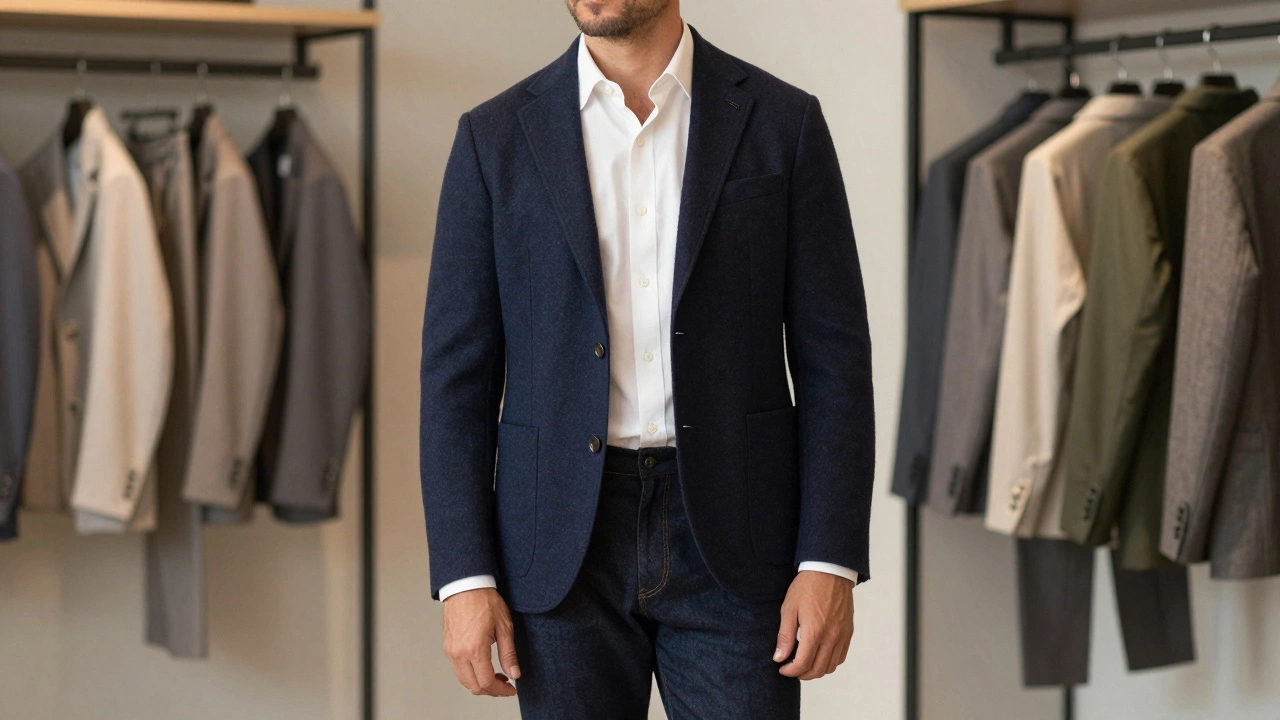
- Jackets: The shoulders must fit perfectly. If the seam spills over your shoulder bone, the jacket is too big. No amount of tailoring can fix bad shoulders. The sleeves should end at the wrist bone, showing a quarter-inch of shirt cuff.
- Shirts: The collar should allow two fingers to fit comfortably between your neck and the fabric. The chest should not pull across the buttons. If it does, go up a size and take in the sides.
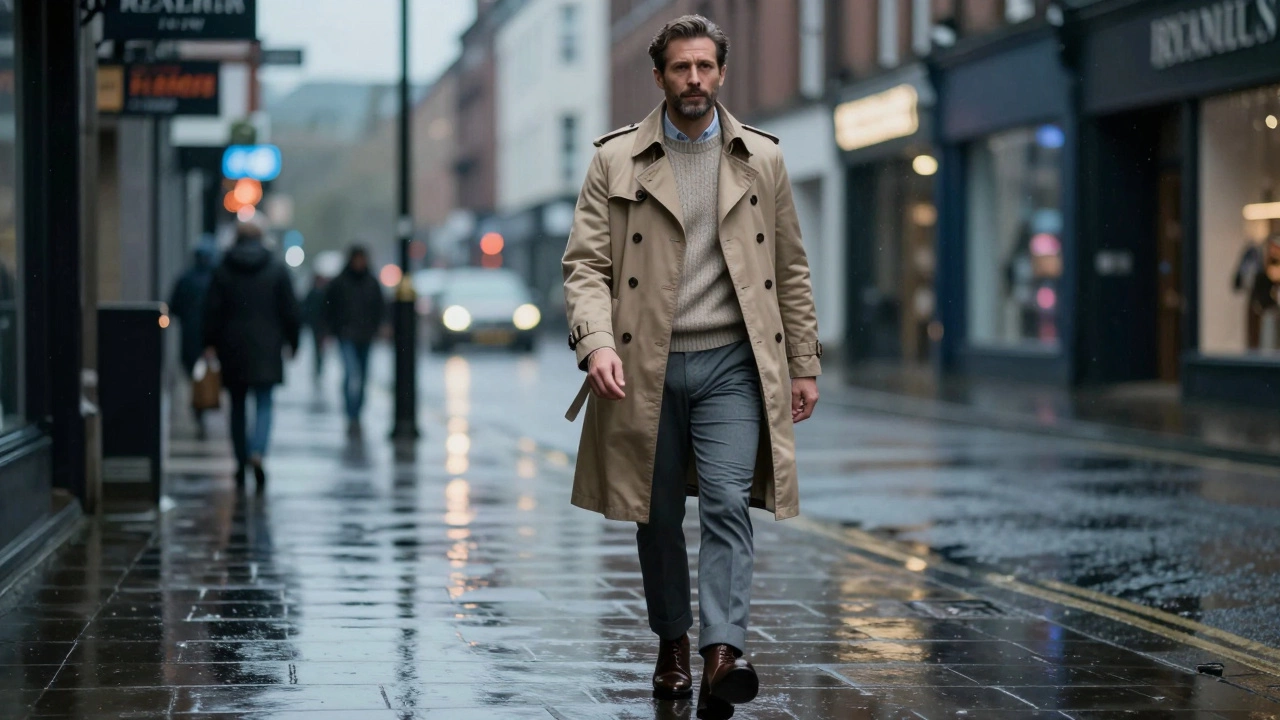
In Leeds, where the weather swings from dry heat to sudden rain, having clothes that fit properly also means they function better. A well-tailored trench coat sheds water differently than a baggy one. A fitted shirt stays tucked in during a commute. Fit is functional as much as it is aesthetic.
Building the Core Wardrobe: Essentials for 2026
A strong wardrobe relies on a foundation of versatile pieces that mix and match easily. You should aim for a capsule collection of high-quality staples. These items form the backbone of your daily rotation, whether you are heading to the office, a dinner date, or a weekend trip.
| Item | Key Attributes | Why It Works |
|---|---|---|
| Dark Denim Jeans | Indigo wash, straight leg, no distressing | Versatile enough for smart casual offices and weekends. Darker washes slim the leg and hide stains. |
| Chinos | Navy, olive, beige; cotton twill | More formal than jeans, less stiff than suit trousers. Ideal for business casual environments. |
| Oxford Cloth Button-Down (OCBD) | White, light blue, striped; cotton | The ultimate transitional shirt. Looks great under a sweater or alone with a tie. |
| Unstructured Blazer | Navy or grey; cotton or linen blend | Adds instant polish to jeans or chinos without feeling overly formal. |
| Leather Boots | Chelsea or Chukka style; brown or black leather | More durable and stylish than sneakers for most occasions. Elevates simple outfits. |
Notice the color palette here: navy, grey, white, beige, olive. These are neutral colors that work together effortlessly. When you limit your color choices, you reduce decision fatigue. You wake up, grab a navy blazer, white shirt, and grey chinos, and you know it will look right. Bright colors and busy patterns are harder to integrate and often date quickly. Stick to neutrals for 80% of your wardrobe, and use accessories for pops of color.
Footwear: The Foundation of Your Look
Men often neglect their shoes until they are worn out. Your shoes tell people how much you care about your appearance. Sneakers are fine for the gym or walking the dog, but they should not be your default footwear for social or professional settings. In 2026, clean, minimalist sneakers can work in casual settings, but they rarely convey authority.
Invest in three pairs of shoes:
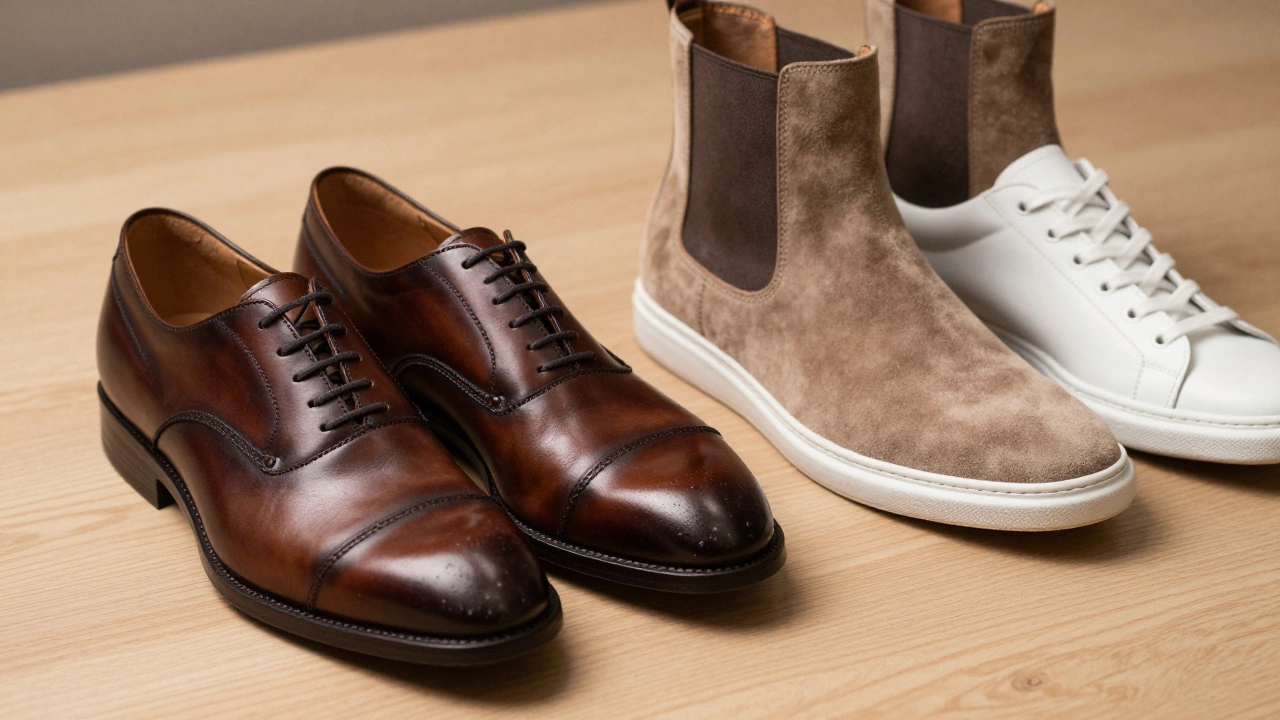
- Leather Derby or Oxford Shoes: Black or dark brown. These are for meetings, weddings, and formal dinners. Keep them polished. Scuffed shoes ruin an otherwise perfect outfit.
- Chelsea Boots: Suede or leather in tan or navy. These bridge the gap between casual and formal. They look great with jeans and chinos and handle wet weather better than loafers.
- Clean White Leather Sneakers: Minimalist design, no logos. For weekends, travel, or very casual Fridays. Avoid running shoes with mesh panels unless you are actually running.
Comfort matters, especially as you age. Look for shoes with good arch support and cushioned insoles. But never sacrifice style for comfort by wearing athletic trainers to a restaurant. There is a middle ground. Many modern dress shoes offer ergonomic designs that provide all-day comfort without looking like orthopedic devices.
Grooming and Accessories: The Final Touches
Clothes are only half the equation. Grooming completes the picture. At forty-five, skin care becomes essential. Sun damage shows clearly, and wrinkles deepen without protection. A simple routine of cleanser, moisturizer, and SPF 30 daily keeps your face looking fresh. Facial hair should be trimmed and shaped. A full beard is fine if it is neat; stubble should be even, not patchy.
Accessories should be subtle. A leather watch strap looks more sophisticated than a rubber sports band for most occasions. A quality watch, like a classic Seiko or Tissot, adds character without screaming for attention. Avoid flashy logos on belts, wallets, or bags. Let the craftsmanship speak for itself.
Haircuts matter too. As hair thins, shorter styles often look cleaner and more modern than long, thinning hair. Consult a barber who specializes in mature clients. They can suggest cuts that add volume and structure. Regular trims every four to six weeks keep the shape intact.
Common Pitfalls to Avoid
Even with good intentions, some style choices age poorly. Avoid these common traps:
- Skinny Jeans: They restrict movement and emphasize bulges. Straight or slim-straight cuts are more flattering and comfortable.
- Graphic Tees: Logos and slogans date quickly and can look juvenile. Solid colors or subtle patterns are safer bets.
- Overly Baggy Clothes: Trying to hide weight with oversized shirts makes you look larger. Fitted clothes skim the body without clinging.
- Too Many Trends: Following every micro-trend leads to a disjointed wardrobe. Pick one or two current elements, like a specific shade of green or a texture, and integrate them slowly.
Remember, style is about confidence. When you feel good in what you wear, it shows. You stand taller, speak clearer, and engage more fully with others. Dressing well at forty-five isn't about vanity; it's about self-respect and respecting those around you.
Seasonal Adjustments for Year-Round Style
Your wardrobe needs to adapt to the seasons. In winter, layering is key. A merino wool sweater under a wool coat provides warmth without bulk. Turtlenecks replace collared shirts for a sleeker look. In summer, linen and lightweight cottons keep you cool. Short-sleeved shirts are acceptable if they are tailored and paired with chinos, but avoid polo shirts with large logos.
Transitional seasons like spring and autumn are the easiest. A denim jacket or a Harrington jacket works well over a t-shirt or button-down. Scarves add color and warmth without commitment. Always check the weather forecast and plan accordingly. Being prepared looks competent; being caught off guard looks careless.
Can I still wear jeans at 45?
Absolutely. Dark, well-fitted denim is a staple of modern menswear. Avoid distressed or faded washes. Pair them with a blazer or leather boots to elevate the look.
Is it okay to wear sneakers to work?
It depends on your workplace culture. In creative or tech industries, clean, minimalist white leather sneakers are often acceptable. In traditional corporate settings, stick to leather shoes. When in doubt, err on the side of formality.
How often should I update my wardrobe?
You don't need to overhaul your wardrobe every season. Replace items as they wear out. Aim to refresh 10-20% of your closet annually. Focus on replacing basics like t-shirts and socks regularly, and invest in outerwear that lasts decades.
What is the best color combination for men over 40?
Stick to neutral palettes: navy, grey, white, beige, and olive. These colors complement each other and are easy to mix. Add small accents of burgundy, forest green, or mustard yellow for variety without risk.
Do I need a suit at 45?
Yes. Every man should own at least one well-fitted navy or charcoal suit. It is essential for weddings, funerals, interviews, and important meetings. Even if you rarely wear it, having one ensures you are prepared for life's significant moments.