Find Your Ideal Luggage Match
Business Travel
Client meetings, conferences, hotels.
Leisure Vacation
Relaxing, sightseeing, souvenirs.
Adventure/Rugged
Remote locations, rough handling.
Protection & Style
Water resistance, sleek look, suit safety.
Flexibility & Space
Expandable zippers, external pockets.
Rugged Durability
Tear-proof fabric, lifetime warranty.
Rainy/Humid
Need water resistance for clothes.
Dry/Sunny
Weather isn't a major concern.
Your Perfect Match:
Compatibility Score
Why it fits you:
Key Features to Look For:
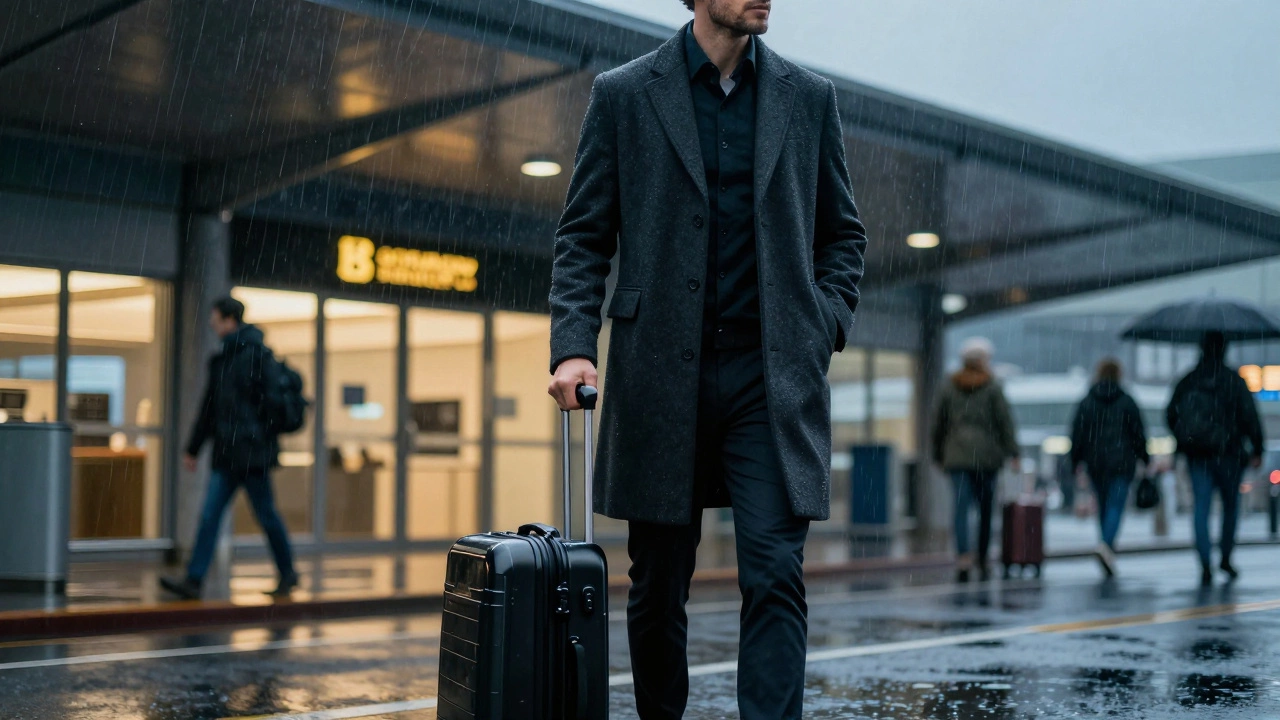
You stand at the airport curb. The rain is coming down sideways-classic Leeds weather-and you’re dragging a wheeled bag that looks like it survived a war zone. The wheels wobble. The zipper sticks. And let’s be honest, it doesn’t exactly scream "I have my life together."
Travel isn’t just about getting from point A to point B anymore. For the modern gentleman, it’s an extension of personal brand. Whether you’re closing a deal in London, heading to a conference in New York, or taking a weekend break in Barcelona, your luggage speaks before you do. It needs to be rugged enough to survive the baggage handlers but refined enough to sit comfortably in a five-star hotel lobby.
Finding the right balance between durability and design is tricky. Cheap bags break; luxury bags often cost more than your flight ticket and are too fragile for real-world use. So, what actually works in 2026? Let’s cut through the marketing noise and look at what matters.
The Non-Negotiables: What Makes Luggage "Modern"?
Before we talk brands, we need to define what makes a suitcase suitable for today’s traveler. The days of heavy, oversized leather trunks are over. Modern travel demands speed, flexibility, and tech integration.
Weight is everything. Airlines are getting stricter with weight limits. A lightweight shell means you can pack more clothes without paying extra fees. Look for materials like polycarbonate or ballistic nylon. These offer high impact resistance without the heft of aluminum or hard plastic.
Wheels dictate your sanity. You will spend hours pushing your bag across terminal floors. If the wheels don’t spin silently and smoothly on both carpet and tile, you’re going to hate yourself by gate check-in. Double-spinner wheels (four wheels that rotate 360 degrees) are the standard now. They allow you to tilt the bag and steer it with one finger.
Smart organization beats capacity. A big bag that’s a black hole inside is useless. You want compression straps, separate shoe compartments, and easy-access laptop sleeves. The goal is to find your tie or charger without unpacking everything.
Why are spinner wheels better than two-wheelers?
Spinner wheels allow the bag to roll upright, reducing strain on your back and arms. Two-wheeled bags must be tilted, which can cause them to tip over if overloaded and puts pressure on your shoulder.
Material Matters: Hard Shell vs. Soft Side
This is the biggest debate in luggage. Which one fits your lifestyle?
Hard-Shell Polycarbonate is the top choice for business travelers who prioritize protection and aesthetics. In 2026, advanced polycarbonate formulas are incredibly resilient. They dent rather than crack, and many dents pop back out when exposed to heat (like sunlight). Hard shells are water-resistant, keeping your suits dry during unexpected downpours. They also tend to have a sleeker, more minimalist look that pairs well with tailored clothing.
However, hard shells lack expandability. If you buy souvenirs, you’re stuck with what fits. They also take up more space in overhead bins due to their rigid shape.
Ballistic Nylon is a soft-side material known for extreme durability and flexibility. Originally developed for military body armor, this fabric is nearly tear-proof. Soft-sided bags are great because they can squeeze into tight overhead bins. They often feature external pockets for quick access to passports or boarding passes. Plus, if you overpack, most soft bags have an expansion zipper that adds 15-20% more volume.
The downside? They aren’t waterproof. If you leave them in the rain, your clothes get wet. They also show wear and tear more visibly over time, though high-quality nylon ages well, developing a patina similar to leather.
| Feature | Polycarbonate (Hard) | Ballistic Nylon (Soft) |
|---|---|---|
| Durability | High (resists impacts) | Very High (resists tears) |
| Water Resistance | Excellent | Poor (unless coated) |
| Expandability | None | Yes (usually) |
| Aesthetic | Sleek, Modern | Rugged, Classic |
| Weight | Moderate | Light |
Top Picks for the Discerning Traveler
Not all bags are created equal. Here are three categories that cover most travel styles for men in 2026.
1. The Premium Carry-On: Rimowa Original Cabin
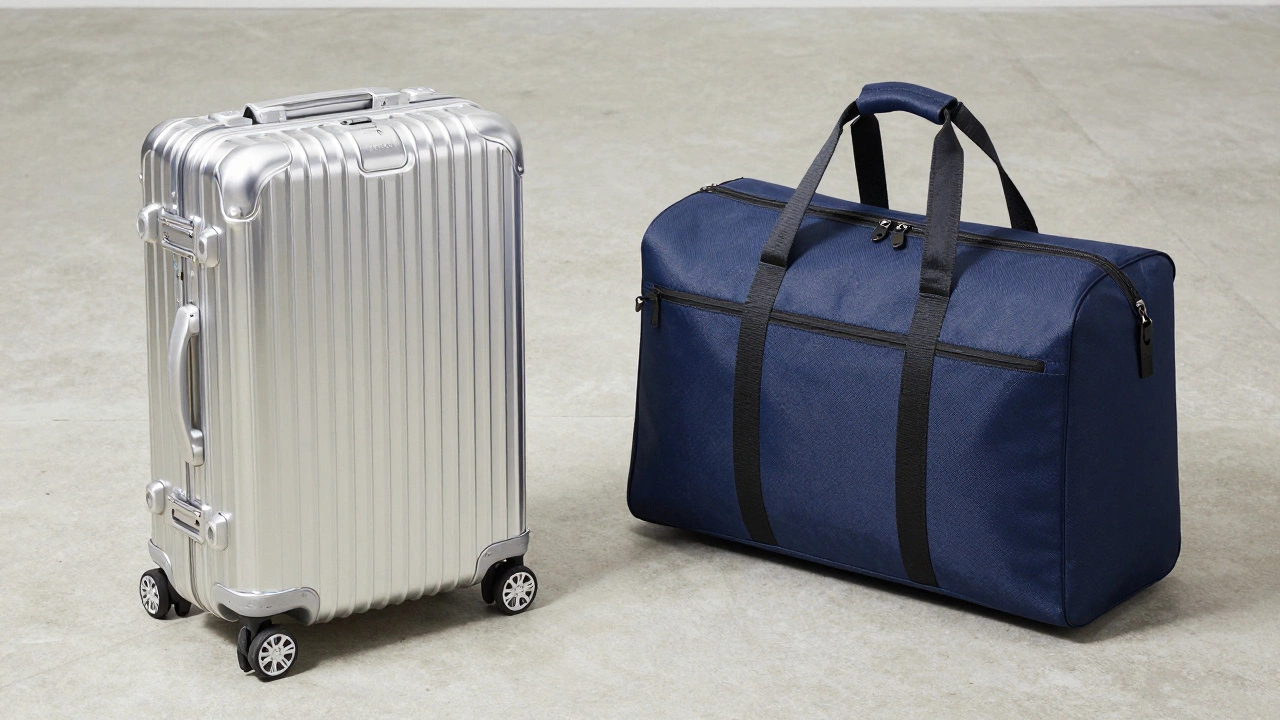
If budget isn’t a constraint and you want status, the Rimowa Original is an iconic German-made aluminum suitcase recognized worldwide for its ribbed design. It’s heavy, yes, but it feels indestructible. The grooved aluminum surface hides scratches surprisingly well. It’s a statement piece. You’ll see other travelers looking at it. Just remember, it’s expensive and heavy, so keep your packing light.
2. The Smart Business Choice: Monos Carré Carry-On
Monos has disrupted the market by offering near-luxury quality at a mid-range price. The Carré features a scratch-resistant polycarbonate shell, silent wheels, and a clean interior layout. It includes a dedicated laptop compartment and USB charging port built into the handle. It’s understated, professional, and won’t break the bank. Perfect for the consultant or sales professional who travels weekly.
3. The Rugged Explorer: Briggs & Riley Baseline Expandable
For those who visit remote locations or rougher airports, Briggs & Riley offers luggage backed by a lifetime warranty that covers manufacturer defects and airline damage. Their Baseline series uses a unique suspension system that absorbs shocks. It’s not the flashiest bag, but it’s the most reliable. If you value function over form, this is your pick.
Size Strategy: Carry-On vs. Checked
Here’s a pro tip: Try to fly with only a carry-on. Checking bags introduces risk. Bags get lost, delayed, or damaged. In 2026, airlines are increasingly charging for checked bags even on economy tickets in Europe and the US.
A standard carry-on is typically 22 x 14 x 9 inches (56 x 36 x 23 cm). This size fits in most overhead bins. If you travel frequently, invest in a high-quality carry-on and a smaller personal item (like a briefcase or backpack) that fits under the seat. This combination allows you to stay mobile and avoid baggage claim lines.
If you must check a bag, go for a medium-sized checked luggage (25-27 inches). Large suitcases (30+ inches) are cumbersome and often exceed weight limits quickly. Stick to 23kg (50lbs) as a safe maximum for international flights.
Tech Features Worth Your Money
Luggage technology has evolved. Some features are gimmicks; others are game-changers.
- Built-in TSA Locks: Essential for US travel. These locks can be opened by security officials without cutting your lock. For international travel, consider a combination lock or a padlock.
- USB Charging Ports: Many modern bags have a built-in USB port connected to a power bank stored inside. This keeps your phone charged while walking through the airport. Make sure the power bank is removable for security checks.
- Telescopic Handles: Test the handle before buying. It should extend smoothly and lock firmly at multiple heights. A wobbly handle is a sign of poor construction.
- GPS Trackers: While some bags come with built-in GPS, most experts recommend adding a separate AirTag or Tile tracker. It’s cheaper, easier to replace, and works across different ecosystems.
Common Mistakes to Avoid
I’ve seen too many guys make these errors. Don’t be one of them.
Buying based on color alone. Black and navy are classic for a reason. They hide dirt and look professional. Bright colors might help you spot your bag on the carousel, but they also attract attention from thieves. If you want color, add a bright luggage tag or strap instead.
Ignoring the warranty. A good luggage brand stands behind its product. Look for warranties of at least 10 years, preferably lifetime. Read the fine print. Does it cover airline damage? Many don’t, but some, like Briggs & Riley, do.
Overpacking. No matter how strong your bag is, overloading it will break the zippers or warp the frame. Pack light. Use packing cubes to compress clothes and keep things organized.
Maintenance Tips for Longevity
Your luggage is an investment. Treat it well, and it will last for years.
- Clean the wheels regularly. Hair and debris get tangled in spinner wheels, causing them to jam. Use a small brush or tweezers to remove buildup after every trip.
- Store properly. Don’t stack heavy items on top of your suitcase when it’s not in use. Store it in a cool, dry place away from direct sunlight, which can fade colors and weaken materials.
- Repair minor damages immediately. If a wheel starts wobbling or a zipper gets sticky, address it right away. Small issues become big problems if ignored.
- Use a protective cover. For checked bags, a thin elastic cover can prevent scratches and scuffs during transit.
Is it worth buying expensive luggage?
Yes, if you travel frequently. Cheap bags often fail within a year, costing you more in replacements and stress. High-quality luggage lasts decades and handles rough treatment better.
How do I choose between hard and soft luggage?
Choose hard luggage for business trips where clothes need protection and water resistance. Choose soft luggage for casual travel, outdoor adventures, or if you need extra packing space via expansion zippers.
What is the best size for a carry-on suitcase?
The standard carry-on size is 22 x 14 x 9 inches. Always check your specific airline’s dimensions, as budget carriers may have stricter limits.
Do I need a TSA-approved lock?
If you travel to or through the USA, yes. TSA agents can open these locks without damaging them. For international-only travel, standard combination locks are sufficient.
How can I protect my luggage from scratches?
Use a protective sleeve for checked bags. For carry-ons, avoid throwing them onto the floor. Place them gently in overhead bins. Hard-shell polycarbonate tends to resist scratches better than aluminum.
Are smart suitcases with batteries allowed on planes?
Regulations vary. Most airlines require that lithium-ion batteries be removable. If the battery is built-in and cannot be removed, the bag may be rejected. Always check current IATA guidelines before traveling.
Final Thoughts: Invest in Confidence
The best luggage for a modern gentleman isn’t just about holding clothes. It’s about confidence. When you know your bag can handle whatever the journey throws at it, you travel lighter mentally. You focus on the meeting, the adventure, or the reunion, not on whether your suitcase will survive the trek.
Look for quality materials, smooth wheels, and a design that reflects your personal style. Whether you choose the sleek minimalism of a polycarbonate shell or the rugged reliability of ballistic nylon, make sure it serves your lifestyle. After all, the journey is important, but arriving in style is even better.