
Basic Style Outfit Builder
Style Analysis
Select items to see your style score and feedback.
Verdict
Description goes here.
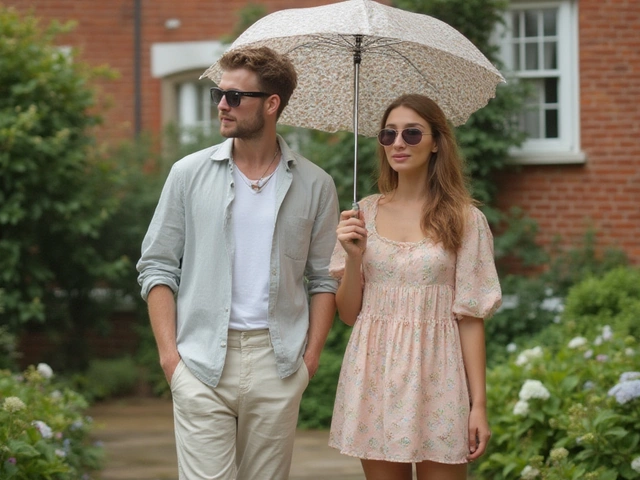
Have you ever walked into a room and noticed the guy who looked the most put-together wasn’t wearing anything flashy? He probably had on a simple white t-shirt, well-fitting jeans, and clean sneakers. That is basic style for men. It isn't about being boring or lazy; it is about mastering the art of looking sharp with minimal effort. In a world saturated with loud logos and fast-fashion trends that fade in months, basic style stands out because it lasts. It is the foundation of confidence.
If you are tired of staring at a full closet feeling like you have nothing to wear, this guide will change how you dress. We are going to break down exactly what constitutes a basic wardrobe, why fit matters more than brand, and how to build a look that works for work, dates, and weekends without breaking the bank.
The Philosophy Behind Basic Style
Basic style is a minimalist approach to menswear that prioritizes quality, versatility, and timeless silhouettes over fleeting trends. It relies on neutral colors and classic cuts that never go out of fashion. Think of it as the culinary equivalent of a perfectly cooked steak and fresh vegetables versus a complicated dish with twenty obscure ingredients. You don't need the extra stuff if the core elements are excellent.
This style draws heavily from Capsule Wardrobe concepts popularized by designers like Lemaire and brands like Uniqlo. The goal is to own fewer items, but love every single one. When you strip away the noise of seasonal hype, you are left with clothes that actually reflect your personality rather than a marketing campaign. It reduces decision fatigue in the morning and ensures you always look intentional.
The Core Pillars: What Actually Counts as "Basic"?
Many men mistake "basic" for "cheap" or "ill-fitting." That is the first trap to avoid. True basic style requires attention to detail. Here are the non-negotiable components:
- Fabric Quality: Natural fibers breathe better and age gracefully. Look for 100% cotton, wool, linen, and leather. Avoid polyester blends unless they are performance activewear.
- Color Palette: Stick to neutrals. Black, white, navy, grey, olive, and beige mix and match effortlessly. If every shirt goes with every pair of pants, your life gets easier.
- Silhouette: Clothes should follow your body’s natural lines without squeezing or drowning you. Slim-straight fits usually work best for average builds.
- Cleanliness: A wrinkled, stained $500 shirt looks worse than a crisp $20 tee. Ironing and shoe care are part of the style.
The Essential Uniform: Building Your Foundation
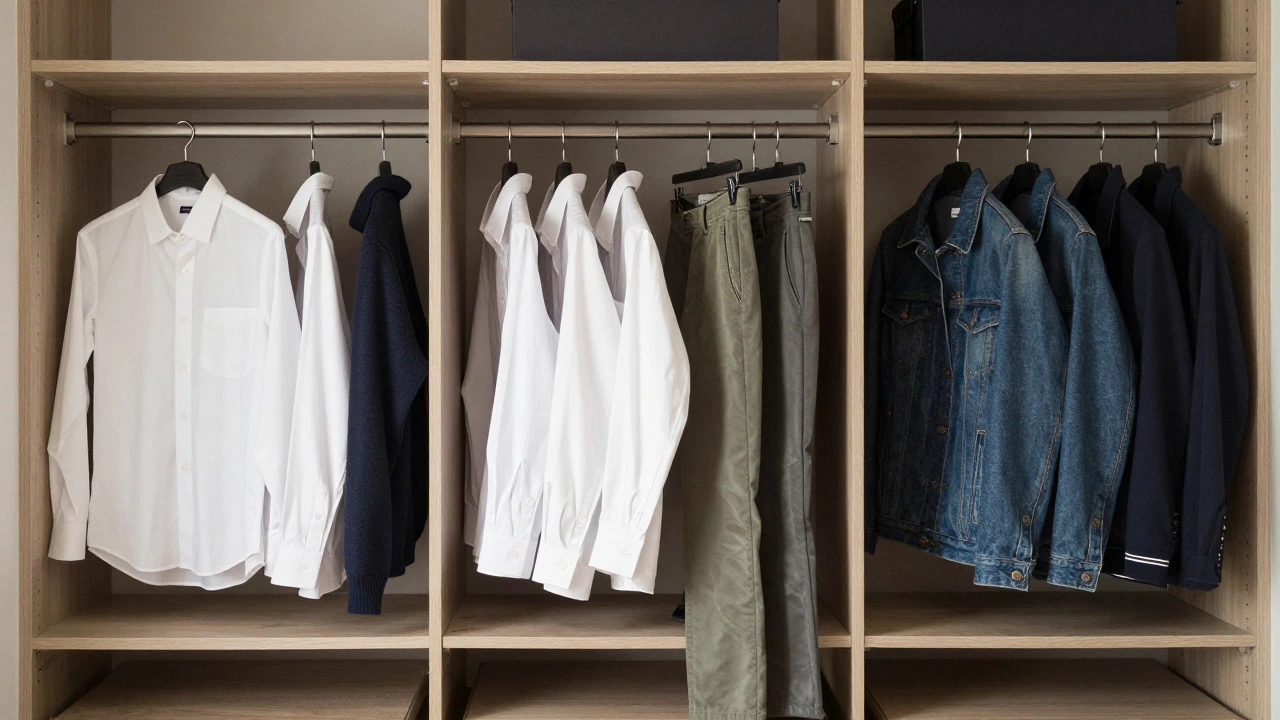
You don't need fifty items. You need about fifteen high-quality pieces that rotate. Let's build the skeleton of a basic wardrobe.
| Category | Item | Key Attribute | Why It Works |
|---|---|---|---|
| Tops | White Crew Neck T-Shirt | Heavyweight Cotton (180+ GSM) | Looks opaque and structured under open shirts or alone. |
| Tops | Oxford Cloth Button-Down | Light Blue or White | Smart enough for office, casual enough for beer. |
| Tops | Navy Merino Wool Sweater | V-Neck or Crew | Adds texture and warmth without bulk. |
| Bottoms | Dark Indigo Jeans | Slim Straight, No Distressing | Universally flattering and versatile. |
| Bottoms | Chinos | Khaki or Olive | Replaces trousers for smart-casual events. |
| Outerwear | Denim Jacket or Bomber | Classic Cut | Instantly elevates a t-shirt and jeans combo. |
| Footwear | White Leather Sneakers | Minimalist Design (e.g., Common Projects style) | Cleans up any casual outfit. |
| Footwear | Brown Leather Boots | Chelsea or Chukka | Grounds the look with rugged sophistication. |
The Golden Rule: Fit Is Everything
You can buy a £10 t-shirt and make it look like £100, or buy a £100 t-shirt and make it look like trash. The difference is fit. This is where most men fail. They buy their size based on a number tag, ignoring how the fabric interacts with their shoulders, chest, and waist.
Shoulder seams must sit exactly on the edge of your shoulder bone. If they droop, the shirt is too big. If they pull inward, it is too small. Sleeves should end at the mid-bicep for tees and just above the wrist for button-downs. Pants should not bunch up at the ankles (stacking) nor ride up too high when you walk. If off-the-rack items don't fit perfectly, find a local tailor. Spending £10-£15 to hem pants or taper a waistband is the highest ROI investment in your appearance.
Color Theory for Beginners
Basic style relies on a restricted palette. Why? Because contrast creates visual interest. When you limit your colors, mixing them becomes intuitive.
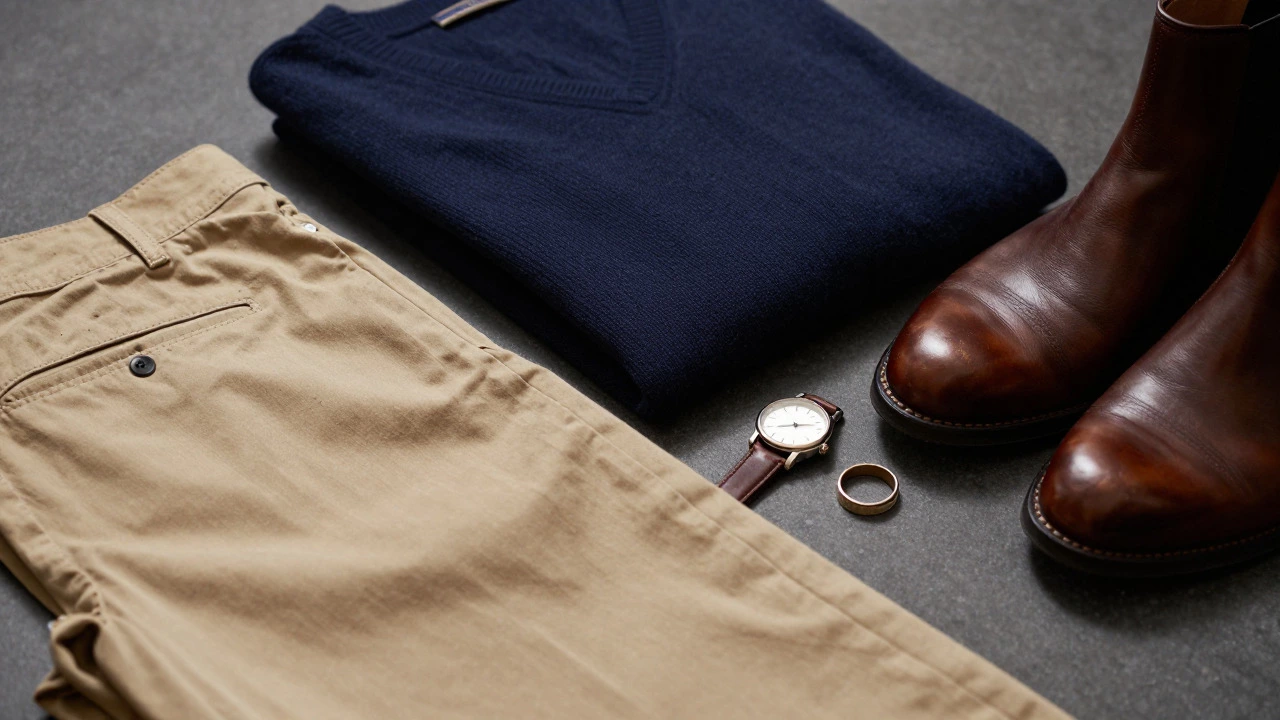
Start with the Neutral Color Wheel: Black, White, Grey, Navy, Beige, Olive. These colors act as anchors. For example, a navy sweater pairs naturally with khaki chinos and brown boots. A white tee pairs with black jeans and white sneakers. You rarely make a mistake when sticking to these hues. Once you master this, you can introduce one accent color, like burgundy or forest green, but keep it subtle.
Avoiding the "Boring" Trap
Critics argue that basic style is safe to the point of invisibility. This happens when men ignore texture and proportion. To keep your look interesting:
- Mix Textures: Pair a smooth cotton oxford with rough denim. Wear a soft merino sweater over a crisp shirt. The contrast in materials adds depth even if the colors are similar.
- Play with Proportions: If you wear slim jeans, try a slightly oversized hoodie. If you wear loose cargo pants, keep the top fitted. Balance is key.
- Accessories Matter: A simple leather watch, a plain wedding band, or a quality leather belt signals attention to detail. These small items show you care without shouting.
Seasonal Adjustments
Basic style adapts to weather without losing its identity. In summer, swap heavy denim for lightweight chinos or tailored shorts that hit just above the knee. Replace long sleeves with linen shirts or breathable cotton tees. In winter, layering is your friend. Add a trench coat, a wool overcoat, or a puffer jacket. Keep the layers thin so you don't look bulky. The key is maintaining the clean lines of your base outfit underneath the outer shell.
Where to Shop Without Overspending
You do not need luxury labels to achieve this look. High-end streetwear often distracts from the basic aesthetic. Focus on brands known for consistency and value:
- Uniqlo: Excellent for basics like tees, thermals, and simple jackets. Their Airism and Heattech lines are functional staples.
- J.Crew / J.Crew Factory: Great for oxford shirts and chinos. Wait for sales to get premium fabrics at lower prices.
- Everlane: Transparent pricing and ethical manufacturing. Good for leather goods and essential tops.
- Levi's: Specifically the 501 or 511 cuts for reliable denim.
- Local Tailors: Often overlooked, but they transform cheap clothes into custom fits.
Common Mistakes to Avoid
Even with good intentions, pitfalls exist. First, avoid logo-heavy clothing. Large branding turns a basic outfit into an advertisement. Second, don't neglect grooming. Basic style assumes you are clean-shaven or have a well-maintained beard, styled hair, and trimmed nails. Clothes frame your face; if your grooming is sloppy, the clothes won't save you. Finally, resist the urge to follow micro-trends. Baggy cargo pants might be "in" this month, but will they be in next year? Basic style bets on longevity.
Final Thoughts on Simplicity
Adopting a basic style is a journey, not a destination. Start by auditing your current closet. Remove anything that doesn't fit, is stained, or hasn't been worn in six months. Identify gaps in your uniform. Buy one high-quality replacement item at a time. Over six months, you will have a wardrobe that feels cohesive, confident, and entirely yours. You will stop worrying about what to wear and start focusing on living your life. That is the real power of basic style.
Is basic style only for young men?
No, basic style is ageless. It appeals to teenagers seeking simplicity and older men valuing comfort and dignity. The principles of fit and quality apply regardless of age. Older men might opt for slightly looser fits or higher-quality fabrics like cashmere, but the core philosophy remains the same.
Can I wear bright colors in a basic wardrobe?
Yes, but sparingly. Use bright colors as accents rather than foundations. A bright blue sweater can work if paired with neutral jeans and shoes. However, keeping 80% of your wardrobe in neutrals ensures you always have something to wear. Bright items can clash easily and date quickly.
How many outfits can I create with a capsule wardrobe?
With 15-20 versatile items, you can create over 50 unique combinations. Because every top matches every bottom, the math works in your favor. Layering adds even more variety. The goal is not infinite options, but reliable ones that suit most occasions.
Does basic style work for formal events?
For semi-formal events, yes. A dark suit, white shirt, and black shoes are the ultimate basic formal wear. For strictly black-tie events, you may need specific attire like a tuxedo, which is a separate category. However, the principle of clean lines and neutral colors still applies.
How do I maintain my basic wardrobe?
Care for your clothes according to their fabric labels. Wash jeans inside out on cold to preserve color. Air dry sweaters to prevent stretching. Clean sneakers regularly with a brush and mild soap. Store clothes properly using wooden hangers for shirts and jackets to maintain shape. Regular maintenance extends the life of your garments significantly.