UK Men's Style Decoder
Not sure what to wear? Select your scenario below to get a tailored recommendation based on fit, fabric, and context.
Turning forty doesn’t mean you have to start wearing beige chinos and loafers with socks that don’t match. But let’s be honest: it does mean your old college t-shirts are starting to look tired, and that one jacket from 2015 is probably too tight around the shoulders. If you’re a UK man hitting this milestone, you’re likely looking for a way to look sharp without feeling like you’re trying too hard or dressing like your dad.
The biggest mistake men make at forty is thinking they need to completely reinvent themselves. You don’t. What you actually need is an edit. It’s about swapping out cheap, ill-fitting pieces for things that respect your body as it changes-because yes, our bodies do change after thirty-five. Metabolism slows down, posture shifts slightly, and suddenly, that slim-fit shirt from Zara feels restrictive rather than stylish. This guide isn’t about chasing trends; it’s about building a wardrobe that works for the specific weather, culture, and professional expectations of living in Britain right now.
Why Fit Matters More Than Brand Names
Here is a hard truth: no amount of money spent on a designer label will save a bad fit. In fact, spending £300 on a suit that bunches at the elbows or drags at the hem makes you look older, not richer. At forty, your priority should be tailoring. Even if you buy off-the-rack from high street staples like Reiss or J.P. Morgan, budgeting £20-£40 for alterations is the single best investment you can make.
Focus on three key areas where fit goes wrong for most men:
- The Shoulder Line: The seam of your jacket or blazer should sit exactly at the edge of your shoulder bone. If it hangs over, you look sloppy. If it pulls inward, you look cramped.
- Sleeve Length: Your shirt cuff should show about half an inch beyond your jacket sleeve. This small detail adds instant polish.
- Trouser Break: No more pooling fabric at the ankles. Aim for a "no break" or slight break. This keeps the leg line clean and modern, which is crucial if you’re wearing sneakers or boots.
Remember, clothes are meant to frame you, not hide you. If you’ve gained a bit of weight around the midsection-a very common reality for men in their forties-avoid skin-tight fits. Go for a tailored regular fit instead. It skims the body without clinging, giving you room to breathe while maintaining a structured silhouette.
Navigating the British Weather: Layering is Key
If you live anywhere north of London, you know the struggle. One minute it’s sunny, the next it’s pouring rain, and by evening, it’s chilly enough to want a coat. The secret weapon for any British gentleman’s wardrobe is layering. It’s not just about warmth; it’s about versatility.
You need pieces that work alone but look better together. Start with a base layer that isn’t just a plain white tee. Invest in high-quality cotton long-sleeve shirts or fine-gauge merino wool knitters. Merino is magic because it regulates temperature, resists odour (great for commuting), and looks sophisticated under a blazer.
| Layer Type | Recommended Item | Why It Works |
|---|---|---|
| Base | Merino Wool Crew Neck | Thin enough for jackets, warm enough for autumn mornings. |
| Mid-Layer | Harrington Jacket or Unstructured Blazer | Adds structure without bulk. Perfect for office-to-bar transitions. |
| Outer | Waxed Cotton Field Jacket | Water-resistant, ages beautifully, handles heavy rain. |
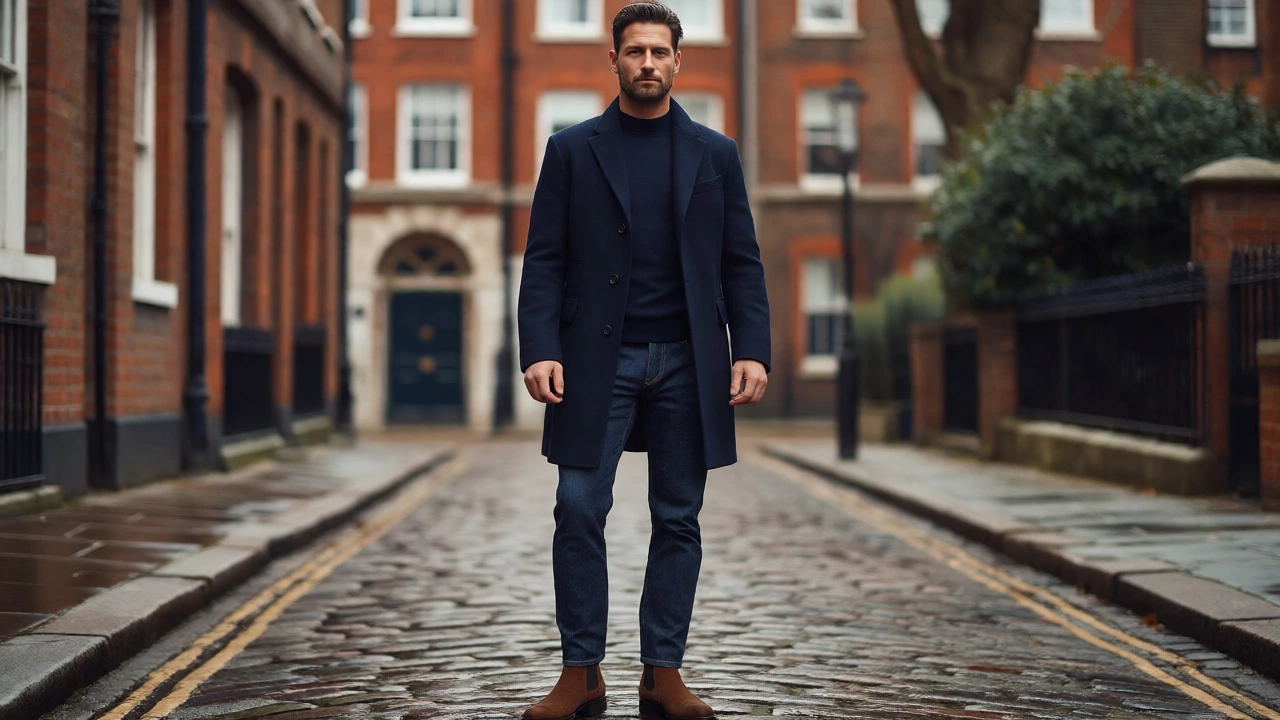
| Formal Outer | Wool Overcoat (Navy or Charcoal) | Elevates even a simple hoodie-and-jeans combo. |
A Harrington jacket, for instance, is a classic for a reason. It’s short enough to not swamp your frame but long enough to cover your waistband. Pair it with dark denim and a crisp oxford shirt, and you’re ready for almost any social situation in Leeds, Manchester, or Bristol.
The Core Wardrobe: Quality Over Quantity
You don’t need fifty pairs of trousers. You need five great ones. As you move into your forties, your closet should shrink in size but grow in quality. Think of your wardrobe as a toolkit. Every item should serve a purpose and mix well with others.
Let’s talk colours. Stick to a neutral palette. Navy, charcoal, olive green, tan, and white are your friends. These colours are forgiving, easy to match, and look expensive. Avoid neon brights or overly loud patterns unless you have a very specific job role that demands it. Subtle textures-like corduroy, tweed, or heavy cotton twill-add interest without shouting for attention.
Here are the non-negotiables for your core collection:
- Dark Indigo Jeans: No rips, no fading. A straight or slim-straight cut in raw denim looks smart with boots and casual with sneakers.
- Chinos in Khaki and Navy: Look for a stretch blend for comfort. They bridge the gap between jeans and formal trousers perfectly.
- Two Oxford Cloth Button Downs (OCBD): White and light blue. These are the workhorses of men’s style. Wear them tucked in with chinos or untucked with jeans.
- A Knit Polo: Not the shiny polyester kind from the golf course. A matte cotton or piqué knit polo in navy or grey looks far more mature and refined.
This minimal approach saves you time. When every piece matches, getting dressed takes two minutes, and you always look put-together.
Footwear: Stop Wearing Running Shoes Everywhere
I see so many men in their forties still wearing chunky running trainers to dinner or to the pub. While comfort is king, there is a middle ground. You don’t have to wear brogues every day, but you should upgrade your footwear game.
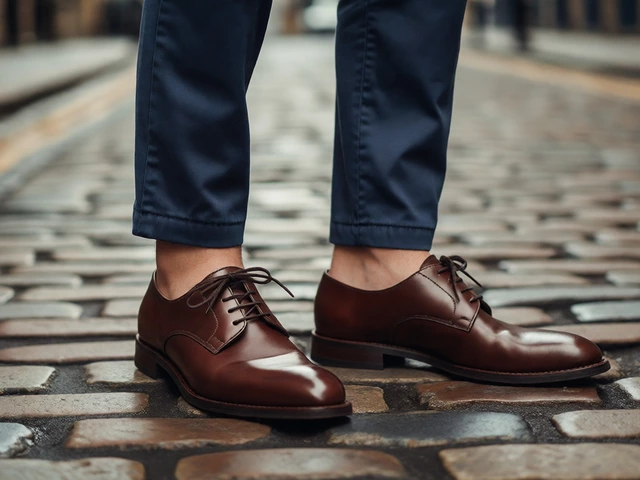
Invest in two pairs of shoes that can handle the wet pavement and cobblestones:
- Clean Leather Sneakers: Minimalist design, all white or all black. Brands like Common Projects or Stan Smiths are popular, but cheaper alternatives from Marks & Spencer work fine if kept clean. These go with everything from suits to shorts.
- Chelsea Boots: Suede or leather, in brown or black. They are easy to slip on, waterproof if treated, and instantly make you look taller and sharper. They are the ultimate transitional shoe for spring and autumn.
If you do wear dress shoes, ensure they are comfortable. Your feet aren’t what they were at twenty. Look for brands known for arch support and cushioned insoles. Clarks and Ecco are often overlooked by style snobs, but they offer incredible value and comfort for daily wear.
Dressing for the Occasion: The Smart Casual Trap
"Smart casual" is the most confusing dress code in the UK. Does it mean a tie? Do I need a jacket? Can I wear jeans? Here is a simple rule of thumb: when in doubt, err on the side of being slightly overdressed. It is easier to roll up sleeves and remove a tie than it is to add a jacket when you didn’t bring one.
For a typical Friday night out or a casual client meeting, try this formula: Dark jeans + Knit Sweater + Chelsea Boots. Add a blazer if the venue is upscale. For weekend brunch, swap the sweater for a shirt and the boots for clean sneakers. The key is intentionality. Don’t throw on whatever was dirty in the hamper. Choose an outfit that signals you care.
Also, consider your context. If you work in tech in Cambridge, a hoodie might be acceptable. If you’re in finance in London, it’s risky. Know your environment. But regardless of industry, grooming matters. A beard needs trimming; hair needs styling. At forty, unkempt edges signal laziness, not ruggedness.

Accessories: Less is More
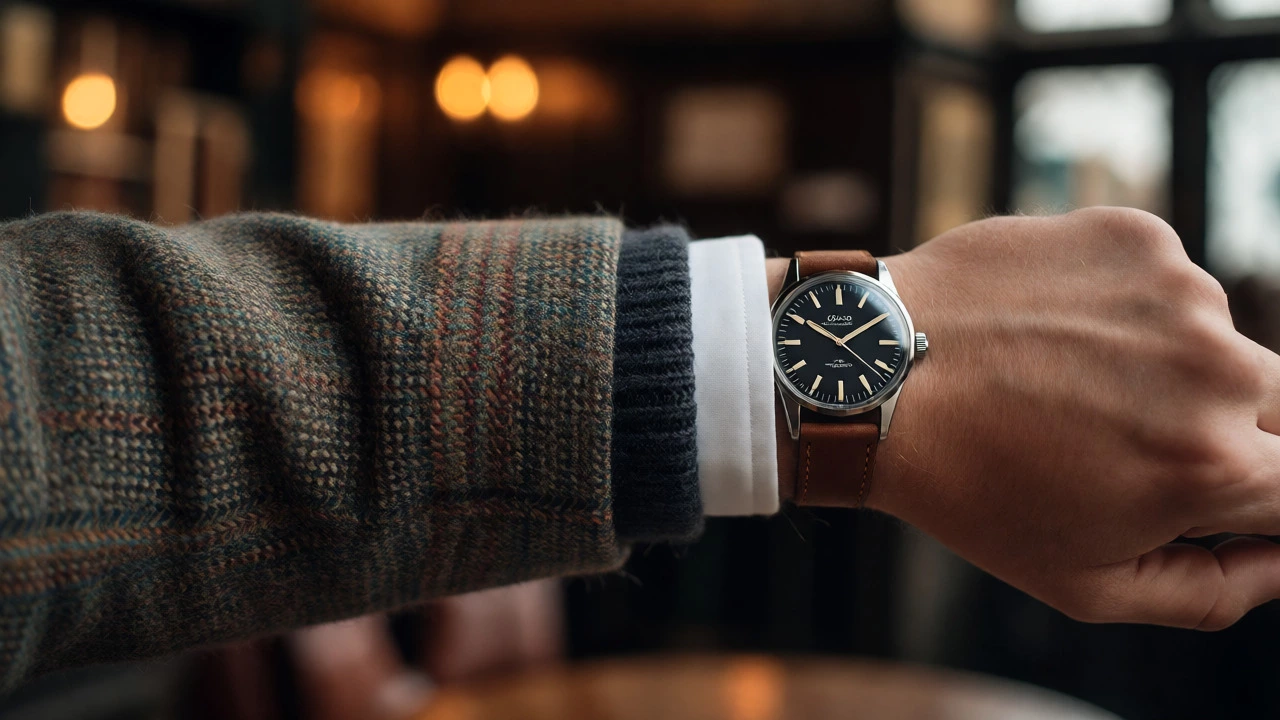
Men often neglect accessories, then wonder why their outfit feels flat. You don’t need much. A good watch is essential-not necessarily a Rolex, but something with character. A mechanical diver’s watch or a simple field watch tells people you appreciate craftsmanship.
Belts and shoes should match in tone. Brown belt with brown shoes; black with black. It’s a basic rule, but breaking it creates visual discord. Keep belts simple-no giant buckles. And please, ditch the cargo shorts. If you must wear shorts, choose tailored chino shorts that hit just above the knee. Cargo pockets add unnecessary bulk to an adult frame.
Finally, scent. You don’t need to bathe in cologne. One spray on the neck and one on the chest is plenty. Find a signature scent that is subtle and woody or fresh, avoiding the overly sweet clubbing fragrances of your twenties.
Final Thoughts: Confidence is the Best Outfit
Style at forty isn’t about impressing others; it’s about respecting yourself. When you look good, you feel good. That confidence shows in how you carry yourself, how you speak, and how you interact with the world. You don’t need to follow every trend. You just need to wear clothes that fit your life, your climate, and your personality.
Start small. Buy one good pair of trousers. Get your favourite jacket tailored. Swap one cheap t-shirt for a better one. Over time, these small changes add up to a wardrobe that serves you rather than stresses you out. You’ve got this.
Can I still wear jeans if I'm over 40?
Absolutely. The key is choosing the right wash and fit. Opt for dark indigo or black denim without distressing, holes, or excessive fading. Ensure they fit well in the seat and thighs, tapering slightly towards the ankle. Pair them with smarter tops like button-down shirts or knitwear to balance the casual nature of the denim.
What is the best brand for affordable quality menswear in the UK?
Marks & Spencer has significantly improved its quality control and offers excellent basics like chinos, polos, and underwear. Other reliable options include J.P. Morgan for suits and shirts, Reiss for contemporary cuts, and Uniqlo for functional layering pieces like heattech and merino knitters. These brands offer great value for money compared to luxury labels.
How many suits does a man need?
Most men only need one or two. A navy or charcoal grey wool suit covers 90% of formal occasions, including weddings, funerals, and important business meetings. If you work in a strict corporate environment, you might need a second suit to rotate. Otherwise, focus on having versatile separates like blazers and odd trousers that can be mixed and matched.
Should I avoid logos on my clothes?
Generally, yes. Large, prominent logos can look juvenile and date quickly. Small, discreet branding is acceptable, especially on performance gear or heritage brands. Focusing on fabric quality and fit rather than visible branding projects maturity and confidence. Let the cut and material speak for themselves.
What shoes are appropriate for rainy days in the UK?
Leather Chelsea boots or Derbies with rubber soles are ideal. They provide traction on wet surfaces and protect your feet from puddles. Waxed cotton jackets paired with water-resistant boots are also a practical choice. Avoid suede in heavy rain unless you treat it with a waterproofing spray regularly.