Gentleman Evolution Timeline & Quiz
Explore how the definition of a "gentleman" shifted from land ownership to moral character. Click an era below to reveal its characteristics.
Medieval / Early Modern
- Key Requirement: Freehold Land Ownership
- Basis: Property & Lineage
- Status: Above laborers, below nobility
Victorian Era
- Key Requirement: Social Grace & Education
- Basis: Wealth + Manners + Refinement
- Shift: Behavior begins to replace pure wealth
Modern Day
- Key Requirement: Integrity & Respect
- Basis: Character & Empathy
- Status: Accessible to everyone regardless of class
Test Your Knowledge
Can you identify which era defined these traits?
Score: 0/0
Have you ever wondered why we still use the word gentleman? It feels like a relic from another time, doesn't it? You hear it in old movies, maybe in a polite email, or when someone opens a door for you. But where did this label come from? And more importantly, what does it actually mean to be one today?
The term isn't just about wearing a suit or knowing which fork to use. It’s a concept that has shifted dramatically over centuries. To understand why men are called gentlemen, we have to look at land, lineage, and the changing definition of respect.
From Landowners to Leaders: The Original Definition
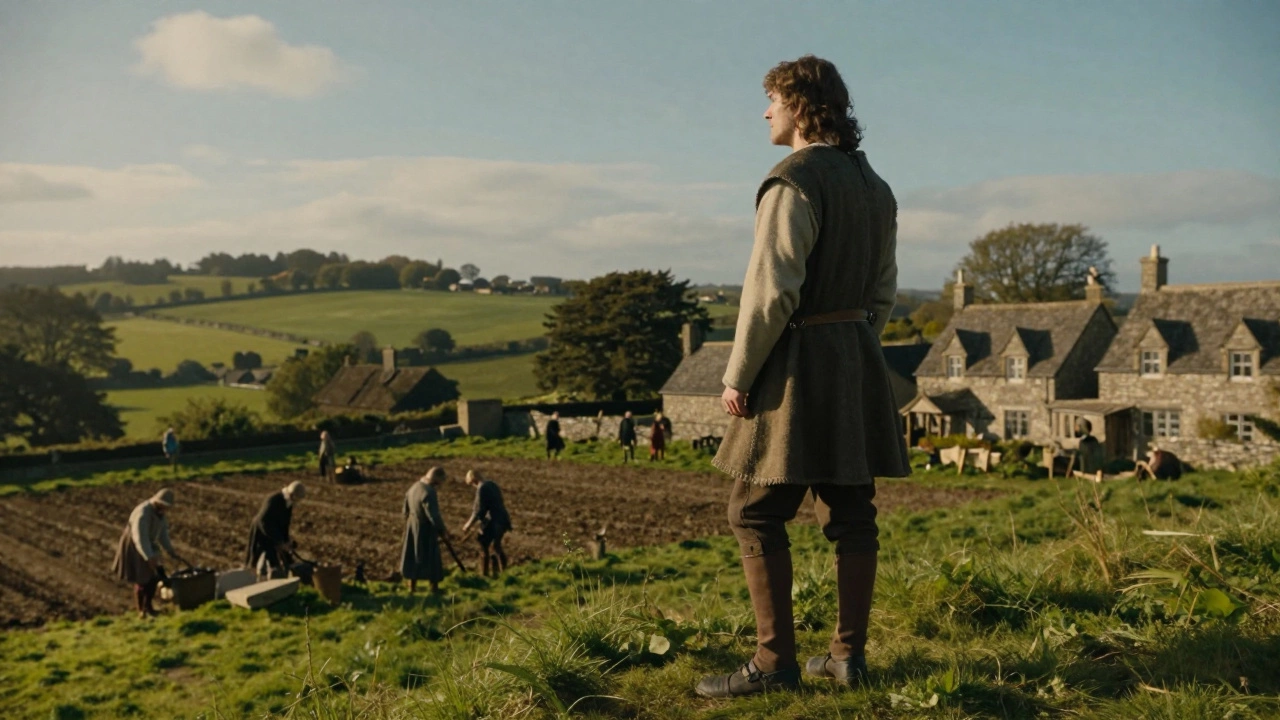
Let’s go back to the roots. In medieval England, the word "gentleman" wasn’t about manners. It was about property. Specifically, it referred to a man who owned freehold land. If you had land that you didn’t have to work on yourself, you were a gentleman. This status placed you above the common laborer but below the nobility, like dukes or earls.
This distinction was crucial in the feudal system. A freeholder is a person who owns land outright without owing rent or service to a superior lord. Being a gentleman meant you had independence. You weren't tied to the soil by labor; you were tied to it by ownership. This economic power translated into social power. You had a voice in local matters, and you were expected to lead your community.
So, initially, if someone asked, "Is he a gentleman?" they were really asking, "Does he own land and live off its income?" It was a question of wealth and class, not character.
The Shift: When Manners Replaced Money
As society changed, especially during the Renaissance and later the Victorian era, the definition began to stretch. Money could be lost, but reputation was harder to shake. The focus started shifting from what you *owned* to how you *behaved*.
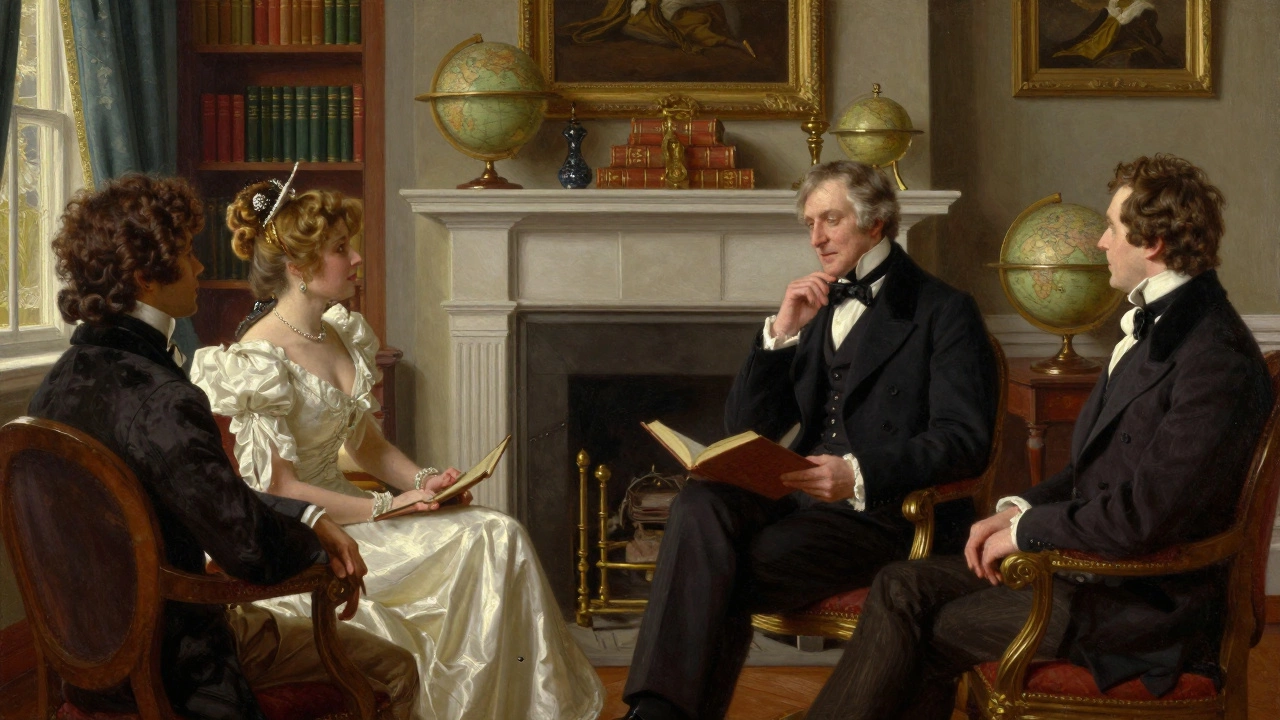
By the 18th and 19th centuries, being a gentleman required a certain set of skills and behaviors. This is where the idea of "gentility" came in. It involved education, refinement, and specific social codes. A gentleman was expected to be well-spoken, knowledgeable in literature or science, and respectful to others, regardless of their station.
This era gave us the famous quote often attributed to George Washington (though likely apocryphal): "A gentleman is one who puts more into the world than he takes out." While the original meaning was rooted in land, the new meaning was rooted in contribution and conduct.
Consider the difference between a rich merchant and a titled noble. In earlier times, the merchant might be wealthy but not considered a gentleman because his money came from trade, not land. Over time, however, wealth combined with good manners allowed merchants' sons to enter the ranks of gentlemen. This blurred the lines between old money and new money.
What Does It Mean Today?
In modern times, the connection to land ownership has completely vanished. Today, calling someone a gentleman is almost entirely about behavior. It’s a compliment regarding their character. If a man holds a door, listens attentively, treats service staff with kindness, and acts with integrity, people might say, "He’s a real gentleman."
However, the term can also feel outdated or even patronizing depending on the context. Some argue that focusing on "gentlemanly" behavior reinforces traditional gender roles. Others see it as a timeless standard of decency that anyone should strive for, regardless of gender.
The core attributes of a modern gentleman often include:
- Integrity: Doing the right thing even when no one is watching.
- Respect: Treating everyone with dignity, from CEOs to cashiers.
- Empathy: Understanding and caring about the feelings of others.
- Punctuality: Valuing other people's time.
Notice that none of these require a title or a trust fund. They are accessible to everyone.
Comparing Past and Present Standards
| Aspect | Medieval/Early Modern | Victorian Era | Modern Day |
|---|---|---|---|
| Basis of Status | Land ownership | Wealth + Education + Manners | Character + Behavior |
| Key Requirement | Freehold land | Social grace and knowledge | Integrity and respect |
| Exclusivity | High (Class-based) | Medium (Cultural capital) | Low (Behavioral choice) |
| Gender Association | Male-only | Male-only | Primarily male, but principles apply broadly |
The Role of Etiquette in Society
Etiquette is often misunderstood as rigid rules about cutlery. In reality, it’s a tool for smooth social interaction. When we talk about gentlemen, we’re talking about people who understand that small courtesies make life easier for everyone.
Think about a busy restaurant. A person who speaks politely to the waiter helps create a positive environment for the entire table. This isn’t about subservience; it’s about recognizing the humanity of others. This is the essence of the modern gentleman code.
Historically, etiquette manuals were guides for the aspiring middle class to navigate upper-class spaces. Today, they serve as reminders of basic human decency in an increasingly digital and impersonal world.
Is the Term Still Relevant?
You might ask, "Do we still need this word?" Language evolves, and some terms fade away. However, "gentleman" persists because it fills a specific niche. We don’t have a single word that captures "a man of high moral character and good manners" quite like it does. Words like "nice guy" can imply weakness. "Leader" implies authority. "Gentleman" implies a balance of strength and courtesy.
Moreover, the term has expanded. Women are often praised for having "gentlemanly" qualities, such as fairness and protection. This shows that the underlying values are universal, even if the label remains gendered.

Common Misconceptions
There are a few myths surrounding the term that need clearing up:
- It’s only for the rich: As discussed, while it started with land, it now applies to behavior. A working-class man can be a better gentleman than a billionaire.
- It means being submissive: Being a gentleman involves standing up for what is right, not just yielding to others. It’s about confident kindness, not weakness.
- It’s outdated sexism: While the historical context was patriarchal, the modern application focuses on mutual respect. Many women appreciate the gesture, not because they are inferior, but because they value consideration.
How to Cultivate Gentlemanly Traits
If you want to embody these traits, it’s less about buying new clothes and more about practicing mindfulness. Here are a few practical steps:
- Listen actively: Put down your phone when someone is speaking to you. Eye contact shows you value their presence.
- Keep your promises: If you say you’ll do something, do it. Reliability is a cornerstone of trust.
- Be punctual: Arriving on time shows you respect other people’s schedules.
- Show gratitude: Say thank you sincerely. Acknowledge the efforts of others, whether it’s a colleague or a barista.
These actions build a reputation over time. People will start to associate you with reliability and kindness. That’s the true mark of a gentleman.
The Future of the Gentleman
As society continues to evolve, so will the definition. We may see more emphasis on emotional intelligence and inclusivity. The future gentleman might be defined by his ability to navigate diverse cultural norms and support equality actively.
Regardless of how the definition shifts, the core appeal remains: we all want to be around people who make life a little bit nicer. Whether you call it being a gentleman, a good person, or simply decent, the impact is the same.
Did being a gentleman originally require owning land?
Yes. In medieval and early modern England, the term "gentleman" specifically referred to a man who owned freehold land. This land ownership provided him with income and social status, distinguishing him from both the nobility and the common laborers.
Can a woman be called a gentleman?
While traditionally a male-specific term, women are sometimes described as having "gentlemanly" qualities. This usually refers to traits like chivalry, fairness, and protective behavior. However, it is less common and can sometimes be seen as awkward due to the gendered nature of the word.
What is the difference between a gentleman and a nobleman?
A nobleman holds a hereditary title, such as Duke, Earl, or Baron, granted by the monarch. A gentleman, historically, did not hold a peerage title but owned land. Today, the distinction is largely irrelevant, as "gentleman" refers to behavior rather than legal status.
Why do people still use the word gentleman today?
The term persists because it serves as a shorthand for high moral character and good manners. It compliments a man’s integrity, respectfulness, and empathy. It is a way to acknowledge positive behavior in a social context.
Is being a gentleman about following strict rules?
Not strictly. While historical etiquette manuals had many rules, the modern concept focuses on the spirit of the rules: making others feel comfortable and respected. It is more about empathy and awareness than memorizing which fork to use.