
The Modern Gentleman's Etiquette Quiz
How well do you understand the nuances of modern gentlemanship? Answer these scenarios to find out.
Quiz Complete!
Picture this: You’re at a crowded networking event in Leeds. Someone drops their drink. Does everyone freeze, or does someone step in with a napkin and a joke? That split-second reaction defines what people actually mean when they ask, how do gentleman behave? It’s not about wearing a top hat or opening every door just for show. True gentlemanship is a set of consistent behaviors that make the people around you feel safe, respected, and valued.
We often get hung up on the outdated stereotypes-the stiff upper lip, the silent suffering, the rigid rules of Victorian dining. But being a gentleman today is less about following a rulebook and more about emotional intelligence and situational awareness. It’s about noticing when someone is uncomfortable and doing something about it. If you want to elevate your social standing, improve your relationships, or just be a better person in your community, understanding these core behaviors is the first step.
The Core Definition of a Gentleman
Before we get into the 'how,' let’s clear up the 'what.' A gentleman isn’t defined by his bank account, his job title, or the brand of his watch. Historically, the term referred to men of good birth, but the modern definition has shifted entirely toward character. A gentleman is a man who consistently acts with integrity, courtesy, and respect, regardless of who is watching.
Gentleman is a man who demonstrates high standards of moral conduct, politeness, and consideration for others. Unlike the aristocratic origins of the word, the modern gentleman earns his status through actions rather than inheritance. Key attributes include reliability, empathy, and self-discipline.
You might wonder, "Is this even relevant in 2026?" Absolutely. In a world where digital communication often strips away nuance, face-to-face interactions matter more than ever. People crave authenticity. When you treat a barista with the same respect as a CEO, you signal that your values are internal, not transactional. This consistency builds trust, which is the currency of both personal and professional success.
Verbal Communication: Listening Over Performing
One of the biggest misconceptions is that gentlemen talk elegantly. Actually, they listen intently. How do gentleman behave in conversation? They don’t wait for their turn to speak; they actively process what the other person is saying. This means putting your phone away-face down, out of sight-and making eye contact that feels warm, not intense.
- Active Listening: Ask follow-up questions that show you were paying attention. If someone mentions they’re worried about a project deadline, ask how they’re managing the stress, not just changing the subject to your own work.
- Tone Control: Keep your voice steady and calm, especially during disagreements. Raising your volume rarely wins an argument; it usually just escalates tension.
- Inclusivity: In group settings, notice if someone is being talked over. Gently redirect the conversation back to them. "I’d love to hear what Sarah thinks about this," goes a long way.
It’s also crucial to avoid the trap of "mansplaining." Unless explicitly asked, assume competence in others. Offer help only when it’s requested or clearly needed, and always frame it as support rather than correction. This subtle shift changes the dynamic from hierarchical to collaborative.
Non-Verbal Cues and Physical Presence
Your body speaks louder than your words. Before you say a single syllable, your posture, handshake, and spatial awareness tell people how to treat you. Gentlemen understand the power of non-verbal communication. Standing tall doesn’t mean puffing out your chest; it means aligning your spine so you look approachable yet confident.
Consider the handshake. It’s still a standard greeting in many professional and social circles. A firm, brief grip (two seconds max) conveys confidence. Too weak, and you seem disengaged; too strong, and you seem aggressive. But what about situations where handshakes aren’t appropriate? A nod and a smile can be equally powerful. The key is matching the energy of the room while maintaining your own composure.
Spatial awareness is another critical skill. Don’t block aisles, don’t stand too close in elevators, and give people space to exit rooms. These small considerations prevent physical discomfort and signal that you’re aware of your environment. It’s basic courtesy, but surprisingly rare in crowded urban centers like London or Manchester.

Digital Etiquette: The New Frontier
How do gentleman behave online? This is where many people stumble. The anonymity of the internet encourages rudeness, but a gentleman maintains his standards whether he’s typing an email or leaving a comment on social media. Digital etiquette is essentially traditional manners adapted for screens.
| Context | Gentleman Behavior | Poor Behavior |
|---|---|---|
| Email Response | Reply within 24-48 hours; use proper salutations. | Ghosting; using all caps; vague subject lines. |
| Social Media | Disagree respectfully; credit sources. | Trolling; public shaming; excessive posting. |
| Messaging | Respect boundaries; avoid late-night texts unless close. | Double/triple texting repeatedly; demanding instant replies. |
Notice how these rules protect both parties’ time and dignity. Sending a concise, polite email respects the recipient’s schedule. Avoiding public arguments on Twitter preserves your reputation. It’s not about suppressing your opinion; it’s about choosing the right channel and tone for delivery.
Handling Conflict with Grace
Conflict is inevitable. The difference between a gentleman and anyone else is how he handles friction. He doesn’t avoid conflict; he manages it constructively. This requires emotional regulation. When someone cuts you off in traffic or snaps at you in a meeting, the instinct might be to snap back. A gentleman pauses.
This pause allows you to choose a response rather than react impulsively. In professional settings, this looks like addressing issues privately rather than publicly embarrassing colleagues. In personal relationships, it means focusing on the issue, not attacking the person’s character. "I felt hurt when plans changed last minute" is far more effective than "You’re so unreliable."
Apologizing is another area where gentlemen shine. A genuine apology includes three parts: acknowledgment of the mistake, expression of regret, and a plan to fix it. No excuses. No "I’m sorry you feel that way." Just ownership. This level of accountability builds immense respect.
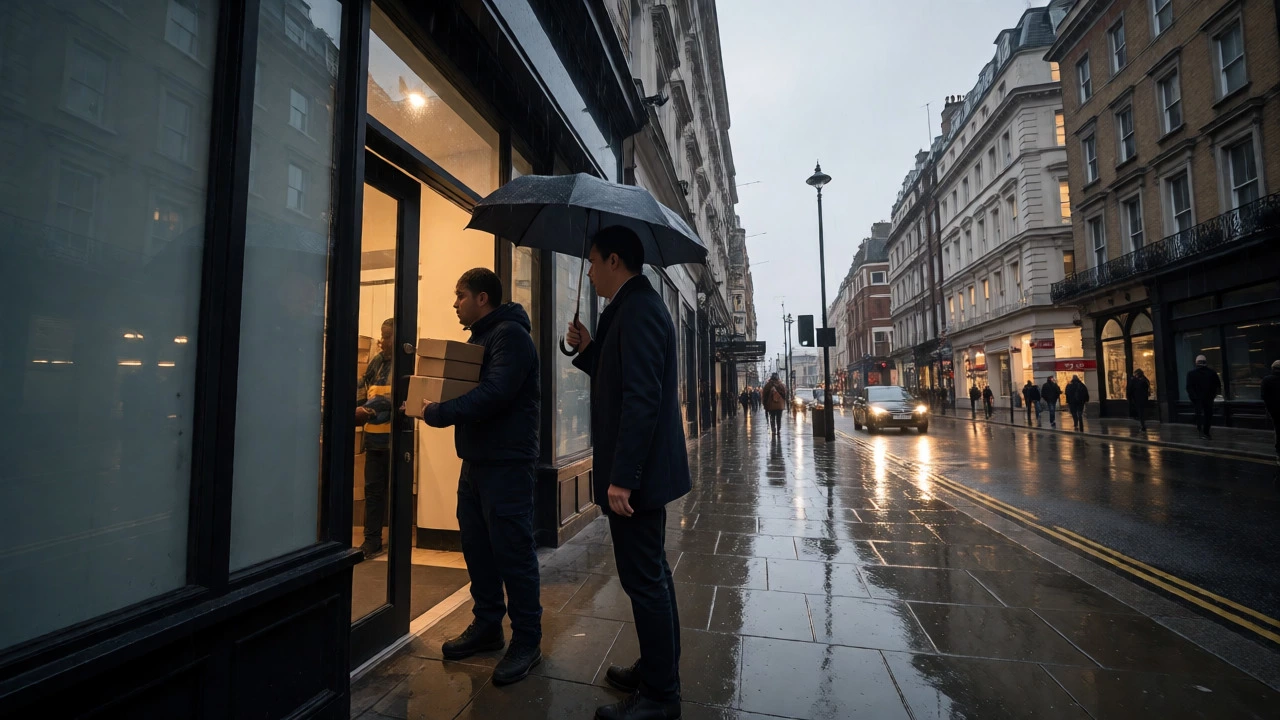
Service and Consideration in Daily Life
At its heart, gentlemanship is service-oriented. It’s about making life slightly easier for those around you. This isn’t subservience; it’s leadership through action. Small gestures accumulate to create a reputation for kindness.
- Hold the Door: Not just for women, but for whoever is behind you. It’s a universal sign of awareness.
- Tip Generously: Service workers rely on tips. Leaving 15-20% without fuss shows appreciation for their labor.
- Be Punctual: Time is the most valuable resource you have. Arriving on time says, "Your time matters as much as mine."
- Offer Assistance: See someone struggling with bags? Offer help. If they decline, respect it immediately without taking offense.
These actions require no special skills or money. They just require attention. And in our distracted world, attention is a gift.
Common Pitfalls to Avoid
Even well-intentioned men can fall into traps when trying to be gentlemanly. The biggest one is performative chivalry. Opening doors only for women, or refusing to let a woman carry her own bag, can come across as patronizing rather than helpful. Modern gentlemanship is egalitarian. Treat everyone with equal respect, tailored to individual needs, not gender roles.
Another pitfall is rigidity. Manners evolve. What was polite in 1950 might be awkward today. Stay flexible. Observe social cues. If someone prefers casual interaction, don’t force formality. Adaptability is a hallmark of true sophistication.
Finally, don’t keep score. If you hold a door and someone walks past without thanking you, let it go. Doing good deeds for recognition turns virtue into vanity. Do it because it’s who you are, not for the applause.
Is being a gentleman outdated?
No, the core principles of respect, integrity, and consideration are timeless. While specific customs change, the desire to be treated with dignity remains constant. Modern gentlemanship adapts to contemporary norms while keeping these values intact.
Do gentlemen have to wear suits?
Absolutely not. Dress code depends on context. A gentleman dresses appropriately for the occasion, whether that’s a suit, smart casual, or clean athletic wear. Hygiene and fit matter more than brand or style.
How do I handle a rude person politely?
Stay calm and don’t mirror their rudeness. Acknowledge their point briefly, then redirect or disengage. Often, refusing to escalate defuses tension. If necessary, set a boundary firmly but calmly: "I’m happy to discuss this, but please lower your voice."
Can introverts be gentlemen?
Yes, gentlemanship is about character, not extroversion. Introverts often excel at listening and thoughtful observation, key traits of a gentleman. You don’t need to be the loudest person in the room to be the most respectful.
What’s the best way to apologize?
Be specific, take responsibility, and offer a solution. Say exactly what you did wrong, express genuine regret, and state how you’ll prevent it next time. Avoid qualifiers like "but" or "if," which dilute the apology.