

Modern Gentleman Self-Assessment
How well do you embody the qualities of a modern gentleman? Take this quick assessment across five key pillars.
Question goes here?
Result Title
Description of result.
Forget the stiff upper lip and the monocle. Being a gentleman in 2026 has nothing to do with aristocratic lineage or memorizing which fork to use for soup. It is about how you make people feel when you walk into a room and how you conduct yourself when no one is watching. In an era of digital noise and instant gratification, true gentleness is a rare currency. It is the quiet confidence of knowing your worth without needing to shout it.
You might think this is old-fashioned advice wrapped in new packaging. But look around. How many conflicts could be avoided if we simply listened more? How many relationships could deepen if we showed genuine courtesy? This isn't about performing masculinity; it is about cultivating humanity. Let’s break down what it actually takes to build that reputation, starting from the inside out.
The Foundation: Integrity Over Image
Before you worry about your suit fit or your handshake, you need to address your word. A gentleman is defined by his reliability. If you say you will be there at seven, you are there at six-fifty-five. If you promise to handle a task, it gets done without being asked twice. This consistency builds trust, which is the bedrock of all meaningful connections.
In Leeds, where I live, community ties matter. You learn quickly that your reputation precedes you. When you keep your commitments, people stop questioning your motives. They start relying on you. This creates a positive feedback loop: integrity leads to trust, which leads to opportunity. Without this foundation, any amount of polished manners is just a costume. It slips off the moment things get difficult.
Consider the small promises. Replying to a text within a reasonable timeframe. Returning a borrowed tool clean and on time. Showing up to a meeting prepared. These micro-interactions signal that you respect other people’s time and energy. That respect is the first sign of high character.
Mastery of Communication
A gentleman listens to understand, not to reply. Most conversations are just two people waiting for their turn to speak. Break that pattern. When someone is talking, give them your full attention. Put the phone away. Make eye contact. Nod. Ask follow-up questions that show you were processing their words, not just hearing noise.
This skill transforms relationships instantly. People crave feeling seen and heard. By offering that gift, you become someone others gravitate toward. It also helps you navigate conflict. When tensions rise, a gentleman lowers his voice instead of raising it. He seeks common ground rather than victory. He understands that winning an argument often means losing a relationship.
Be mindful of your tone as well. Sarcasm can be witty, but it can also be cruel. Learn to read the room. Humor should lift people up, not tear them down. Avoid gossiping about others behind their backs. If you have an issue with someone, address it directly and respectfully. This directness shows courage and respect simultaneously.
Modern Etiquette in Digital Spaces
Etiquette hasn’t disappeared; it has migrated online. Being a gentleman today requires digital hygiene. This means thinking before you post. Is this comment necessary? Is it kind? Does it add value? The anonymity of the internet can tempt us to say things we would never say face-to-face. Resist that urge.
Respond to messages promptly. If you cannot answer immediately, send a quick note saying you’ll get back to them later. Silence is confusing and disrespectful. In professional settings, video calls require the same decorum as in-person meetings. Dress appropriately, mute yourself when not speaking, and avoid multitasking visibly. Your camera is on, so act like you are in the room.
Social media is also a place to practice generosity. Celebrate others’ successes publicly. Share credit where it is due. Use your platform to amplify voices that need support, not just to broadcast your own achievements. A gentleman uses technology to connect, not to isolate or dominate.
Style as Self-Respect
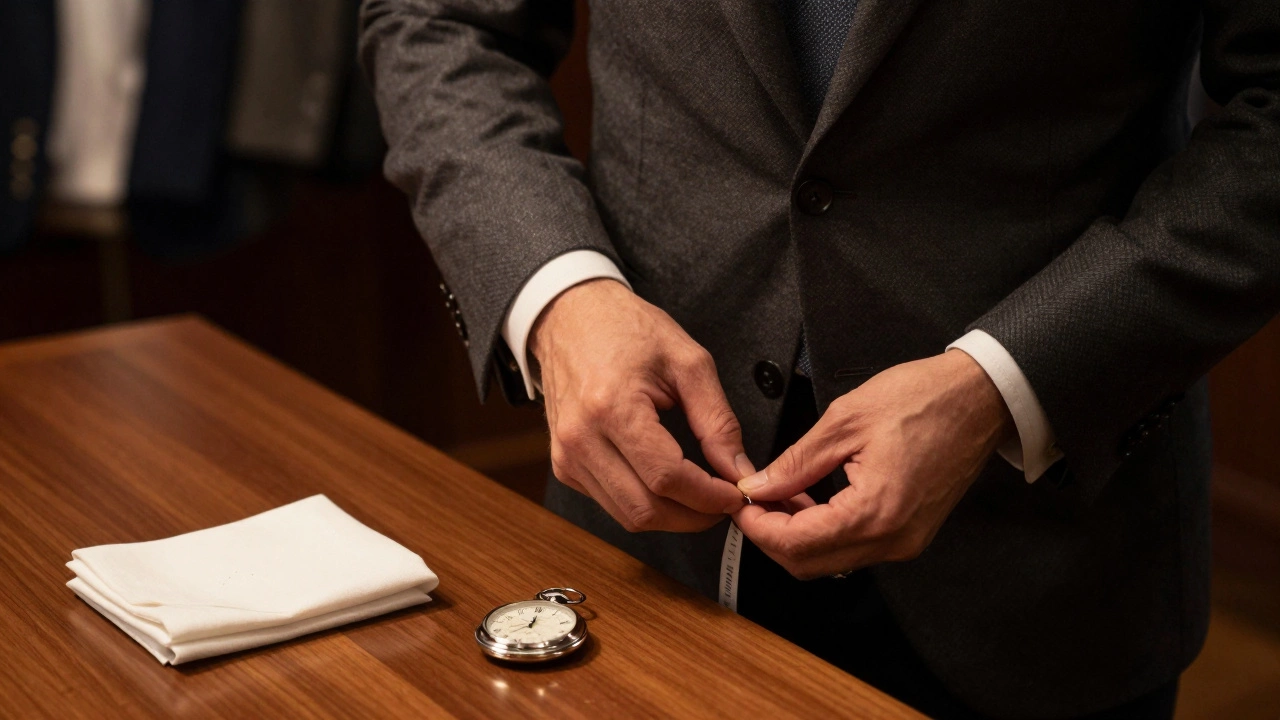
Your appearance is not about vanity; it is about self-respect and respect for others. You don’t need designer labels to look good. You need clothes that fit. A £30 shirt tailored to your body looks better than a £300 shirt that hangs loosely. Invest in tailoring. It is the secret weapon of every stylish man.
Keep your grooming sharp. Regular haircuts, trimmed nails, and fresh breath are non-negotiable. These details signal that you care about your presentation. Hygiene is basic, yet many men neglect it. Shower daily, deodorize, and maintain oral health. It shows you value your own comfort and consider the comfort of those around you.
Dress for the occasion. Understanding context is key. Wear smart casual to a business lunch, athletic wear to the gym, and something more formal to a wedding. When in doubt, it is better to be slightly overdressed than underdressed. It shows effort and consideration for the event’s significance.
| Category | Key Action | Why It Matters |
|---|---|---|
| Fitting | Tailor clothes to your body | Creates a polished, confident silhouette |
| Grooming | Maintain hygiene regularly | Shows self-respect and consideration for others |
| Context | Dress for the specific event | Demonstrates social awareness and respect |
| Quality | Choose durable materials | Lasts longer and ages gracefully |
Physical Presence and Body Language
How you carry yourself speaks volumes before you say a word. Stand tall with your shoulders back. Slouching signals insecurity or disinterest. Walk with purpose. Move through spaces with calm assurance, not aggression. Your posture affects your mood and how others perceive your authority.
Handshakes should be firm but not crushing. Make eye contact during introductions. Offer a smile. These small gestures open doors. In social settings, be aware of personal space. Respect boundaries. Do not hover over people. Give others room to breathe and move comfortably.
Control your reactions. A gentleman does not explode in anger or panic in crisis. He remains steady. This emotional regulation is powerful. It reassures everyone around him. Practice deep breathing when stressed. Pause before reacting. This brief moment of reflection prevents regrettable actions and words.
Service and Generosity
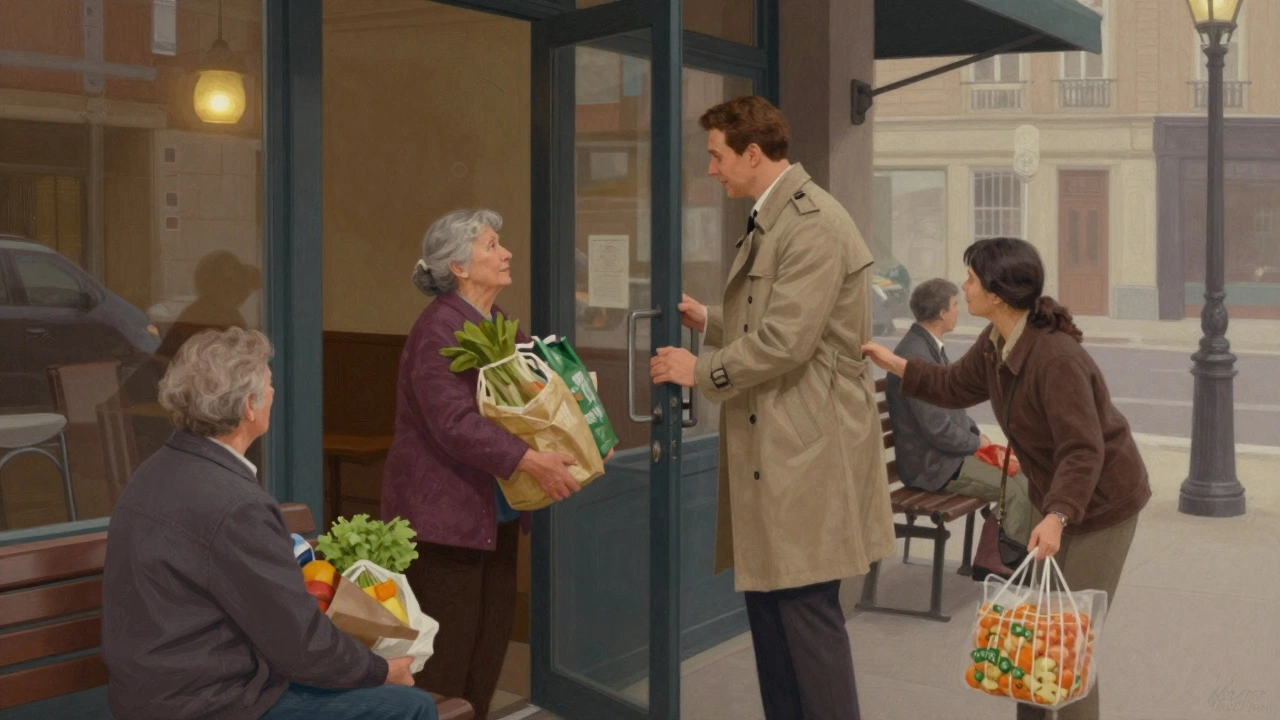
True gentility is service-oriented. Hold the door for the person behind you. Carry heavy bags for someone struggling. Offer your seat on public transport to those who need it more. These acts cost nothing but mean everything. They create a culture of kindness.
Be generous with your praise. Acknowledge the hard work of service staff. Say thank you to cashiers, drivers, and cleaners. Treat everyone with the same level of respect, regardless of their status. A gentleman judges character, not titles.
Help without expecting anything in return. Volunteer your time. Mentor someone younger. Support local causes. Giving back grounds you in reality and reminds you that you are part of a larger community. It shifts your focus from self to others, which is the essence of noble character.
Navigating Relationships with Grace
In romantic relationships, a gentleman is attentive and supportive. He remembers important dates. He checks in when life gets busy. He respects his partner’s independence and ambitions. He does not try to control or diminish her. He celebrates her success as his own.
Communicate openly about feelings and expectations. Avoid games. Clarity builds intimacy. If you make a mistake, apologize sincerely. Take responsibility. Do not make excuses. A genuine apology repairs trust and strengthens bonds.
With friends, be loyal. Defend them when they are not present. Celebrate their wins. Support them through losses. Friendship requires maintenance. Call your friends. Plan hangouts. Show up when they need you. A gentleman values long-term connections over fleeting acquaintances.
Continuous Self-Improvement
A gentleman is never finished. He reads widely. He learns new skills. He stays curious about the world. Whether it is learning a language, cooking a new cuisine, or understanding current events, growth keeps the mind sharp and interesting.
Accept criticism gracefully. Do not get defensive. Listen to feedback. Reflect on it. Use it to improve. Arrogance blocks growth. Humility opens doors. Admit when you are wrong. Ask for help when you need it. Vulnerability is strength, not weakness.
Take care of your physical health. Exercise regularly. Eat nutritious food. Get enough sleep. A healthy body supports a healthy mind. You cannot serve others effectively if you are exhausted or unwell. Prioritize rest and recovery as part of your discipline.
Is being a gentleman outdated?
No. While some traditional rituals may fade, the core values of respect, integrity, and kindness are timeless. Modern society needs these qualities more than ever to counteract polarization and disrespect.
Do I need to spend a lot of money to be a gentleman?
Absolutely not. Gentility is about behavior and character, not wealth. Clean, well-fitting clothes and polite manners cost very little. Focus on integrity and kindness, which are free.
How do I handle rude people while remaining a gentleman?
Stay calm and polite. Do not engage in shouting matches. Set clear boundaries firmly but respectfully. Sometimes, walking away is the strongest response. Model the behavior you wish to see.
What is the most important trait of a modern gentleman?
Empathy. The ability to understand and share the feelings of others drives all other gentlemanly behaviors. It guides your communication, your style choices, and your actions.
Can women be gentlemen?
The term "gentleman" is historically male-specific, but the qualities described-integrity, courtesy, and respect-are universal. Anyone can embody these traits regardless of gender.