
Men's Style Readiness Checker
Answer these questions honestly to see how close you are to mastering the basics of 2026 men's style.
- I own well-fitting navy chinos or dark denim jeans. Check
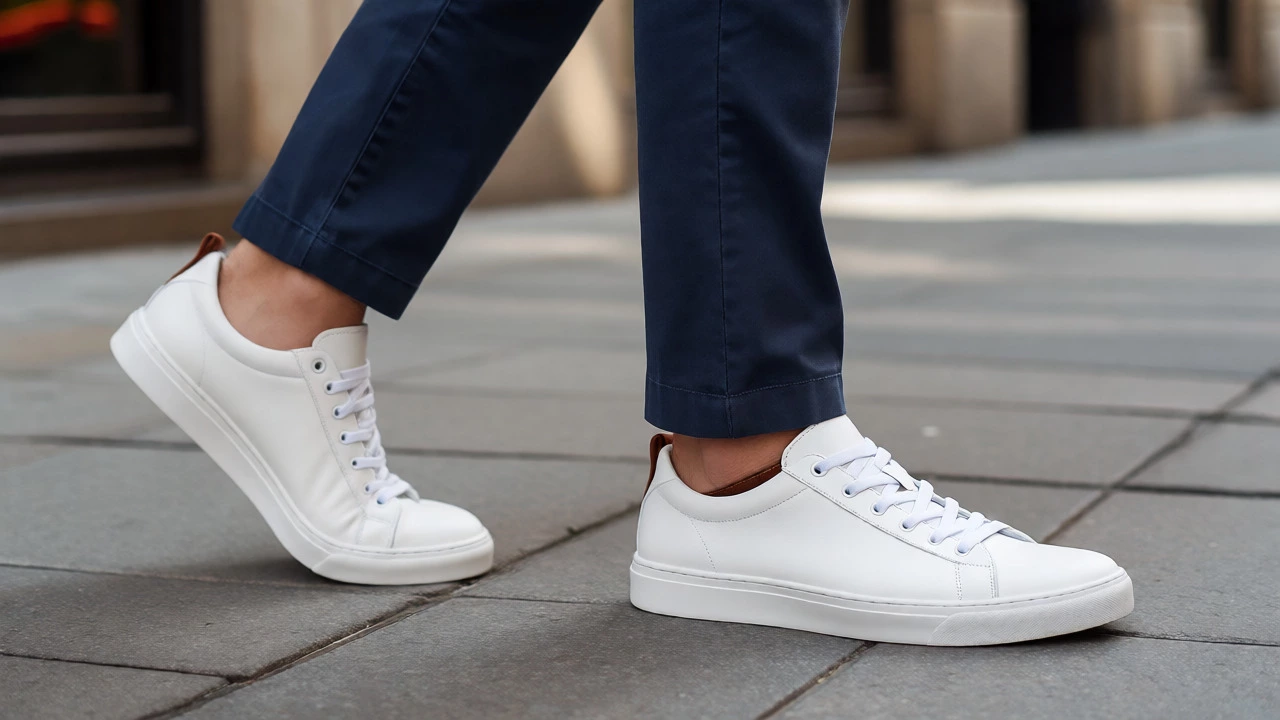
- I have at least one clean pair of minimalist white sneakers. Check
- I own a high-quality Oxford shirt or plain button-down. Check
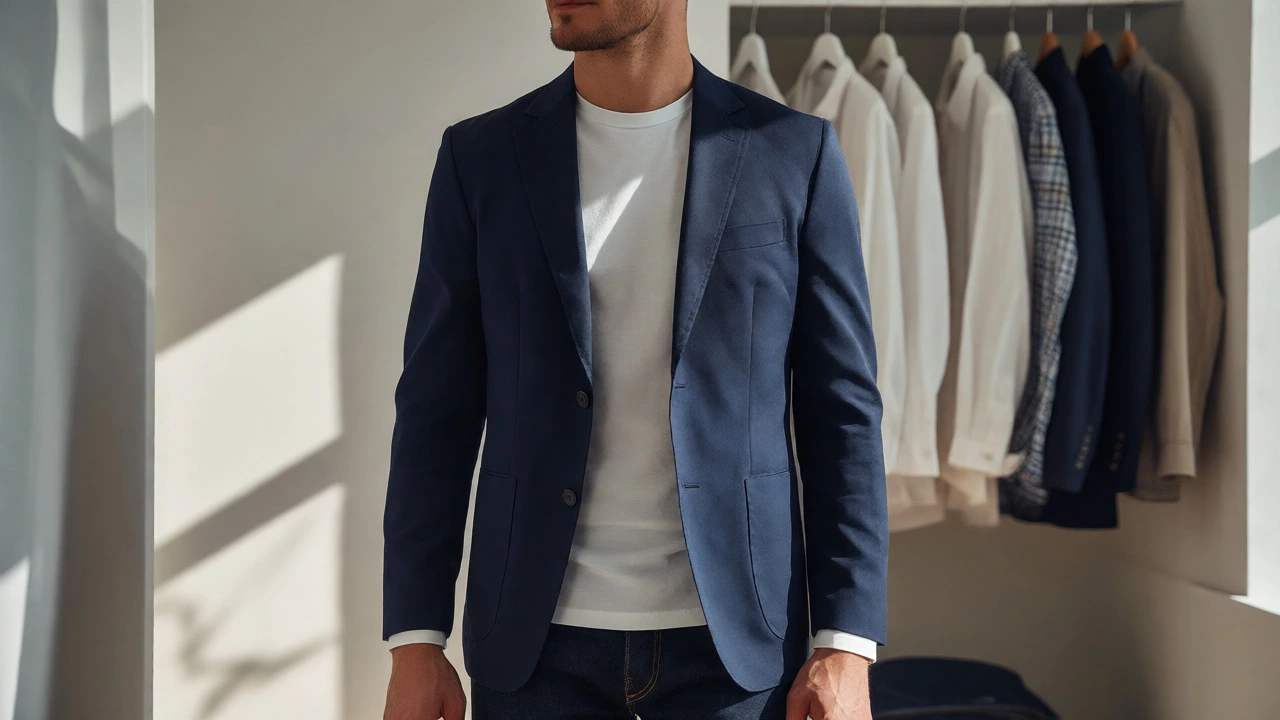
- I have an unstructured blazer that fits my shoulders perfectly. Check
- My clothes fit correctly (no pulling buttons or excess fabric pooling). Check
- I visit a barber every 4-6 weeks for a trim. Check
- My facial hair is neatly trimmed with defined edges. Check
- I wear fragrance sparingly (max 2 sprays/day). Check
- My belt leather matches my shoe leather color family. Check
- I use a basic skincare routine (cleanser/moisturizer/sunscreen). Check
You walk into a room, and before you say a word, your clothes have already spoken. It’s not about wearing the most expensive suit or chasing every TikTok trend. Real style is about intention. It’s knowing what works for your body, your life, and your budget. If you’ve ever stared at your closet wondering why nothing feels quite right, you’re not alone. Most men struggle with this because they buy clothes based on what looks good on a hanger or a model, rather than what actually fits their frame.
Looking stylish isn’t reserved for influencers or people with unlimited funds. It’s a skill you can learn. It starts with understanding the basics of fit, the relationship between clothing dimensions and body measurements that determines how an outfit appears. Once you get fit right, everything else becomes easier. This guide breaks down exactly how to upgrade your look without overthinking it, using practical steps you can take today.
The Golden Rule: Fit Is Everything
If you remember only one thing from this article, make it this: fit matters more than brand. You could wear a £10 t-shirt that fits perfectly and look better than someone in a £500 designer shirt that’s too baggy or too tight. Clothes are meant to follow your body’s lines, not hide them or fight against them.
Here’s how to check if something fits properly:
- Shoulders: The seam should sit exactly where your shoulder bone ends. If it hangs off, it’s too big. If it pulls up towards your neck, it’s too small.
- Chest: You should be able to pinch about an inch of fabric on either side of your chest. Any more, and it’s boxy. Any less, and buttons might strain.
- Sleeves: For shirts, the cuff should end right at your wrist bone. For jackets, show about half an inch of shirt cuff. This tiny detail adds polish instantly.
- Pants: No more giant pools of fabric at the ankles. Aim for a clean break-where the pant leg just touches the top of your shoe-or a slight crop if you’re going for a modern look.
Don’t be afraid to use a tailor. Spending £15-£20 to hem trousers or take in a waistband can save a garment that otherwise wouldn’t work. It’s the cheapest way to look expensive.
Build a Capsule Wardrobe That Works
Most men own too many clothes but have nothing to wear. The solution? A capsule wardrobe, a curated collection of versatile clothing items that can be mixed and matched to create numerous outfits. Think quality over quantity. You don’t need fifty t-shirts; you need five great ones that match everything.
Start with these core pieces. They form the backbone of almost any man’s style in 2026:
| Item | Why It Matters | Style Tip |
|---|---|---|
| White Sneakers | Goes with jeans, chinos, even casual suits. | Keep them clean. Dirty white shoes ruin an otherwise sharp outfit. |
| Navy Chinos | More formal than jeans, less stuffy than dress pants. | Pair with a button-down for smart-casual events. |
| Dark Denim Jeans | Versatile base for casual looks. | Avoid excessive fading or distressing for a cleaner look. |
| Plain T-Shirts (Black, White, Grey) | Layering piece or standalone staple. | Choose mid-weight cotton so they hold shape. |
| Oxford Shirt | Works under sweaters or on its own. | Roll sleeves casually when not wearing a jacket. |
| Unstructured Blazer | Adds structure without feeling like office wear. | Wear with t-shirt and jeans for instant elevation. |
Notice the color palette? Navy, white, black, grey, denim blue. These colors play well together. You won’t spend hours deciding what matches. Just grab two things, add shoes, and go.
Master the Art of Layering
Layering is how you add depth to an outfit. It also keeps you comfortable as temperatures change throughout the day. But there’s a wrong way to do it. Don’t just throw on three layers randomly. Each layer should serve a purpose and fit smoothly over the one beneath it.
Think of it like building a sandwich. The bottom layer (base) should be thin and fitted-like a slim t-shirt or undershirt. The middle layer (insulation) adds warmth and texture-think flannel shirts, lightweight knits, or hoodies. The outer layer (protection) shields you from wind and rain-a denim jacket, bomber, or trench coat.
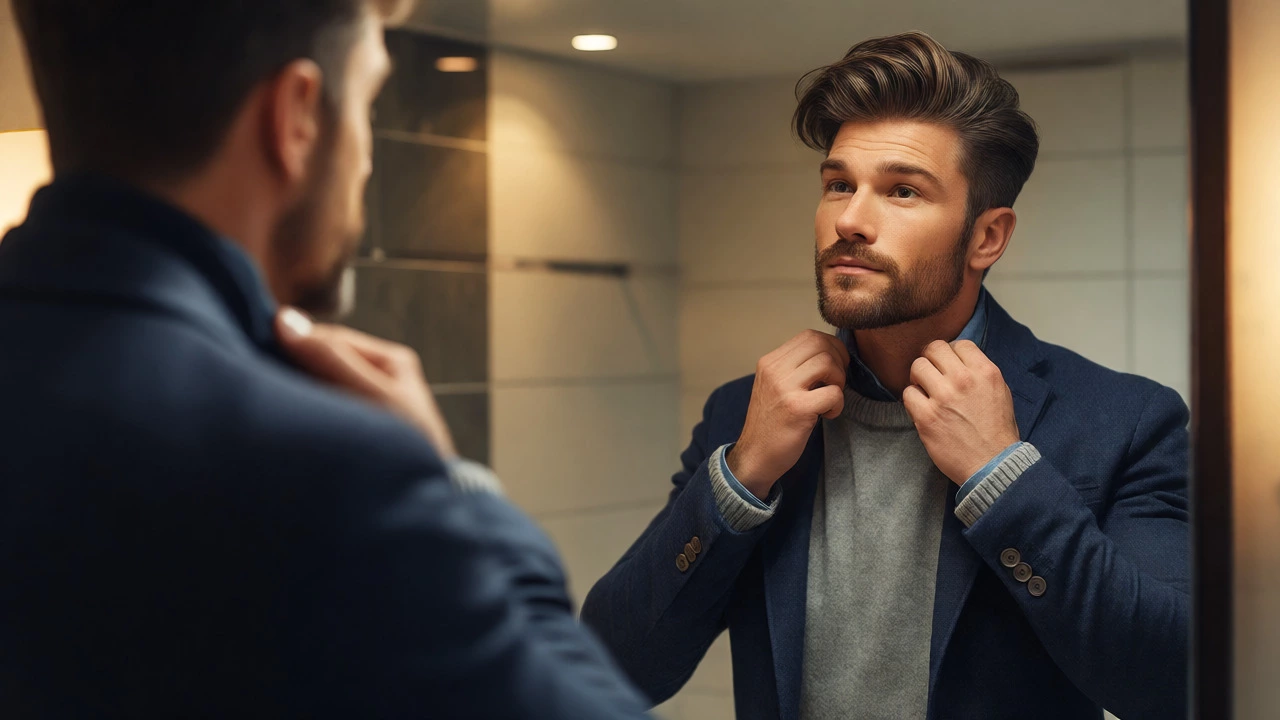
Pro tip: Vary textures. Pair smooth cotton with rough denim, or soft wool with sleek nylon. Contrast makes an outfit visually interesting without needing loud patterns or bright colors. For example, a grey crewneck sweater under a navy blazer looks richer than a grey shirt under the same blazer because of the texture difference.
Grooming Completes the Look
You can wear the best-fitting suit in town, but if your hair is unkempt or your nails are dirty, the effect vanishes. Grooming isn’t vanity; it’s respect for yourself and the people around you. In 2026, natural grooming trends dominate. Over-styled, stiff haircuts are out. Effortless, textured looks are in.
Three non-negotiables for every man:
- Hair Maintenance: Visit your barber every 4-6 weeks. Even if you keep it short, regular trims prevent split ends and maintain shape. Use matte clay or paste for hold without shine.
- Facial Hair: Whether you’re clean-shaven or have a beard, edges must be sharp. Define your cheek line and neckline. A messy beard looks sloppy; a trimmed one looks intentional.
- Fragrance: Less is more. Two sprays max-one on each wrist or behind the ears. Choose a scent that suits your personality, not what smells strongest. Woody or citrus notes are safe bets for daily wear.
Skincare plays a role too. You don’t need a ten-step routine. Cleanser, moisturizer, and sunscreen cover 90% of needs. Healthy skin reflects light better, making you look more awake and vibrant.
Shoes: The Foundation of Style
People notice shoes first. It’s true. Your footwear anchors the entire outfit. If your shoes are worn-out sneakers with yellowed soles, no amount of tailored clothing will fix the impression.
Invest in three pairs of shoes that cover all bases:
- Minimalist White Leather Sneakers: For casual days. Brands like Common Projects or affordable alternatives from Uniqlo work fine if kept clean.
- Brown Leather Boots: Chelsea boots or desert boots. They bridge the gap between casual and smart. Wear with jeans or chinos.
- Black or Dark Brown Dress Shoes: Derbies or loafers. Loafers are particularly versatile now-you can wear them with socks or barefoot in warmer months.
Match your belt leather to your shoe leather. Same color family, similar texture. This small coordination signals attention to detail.
Confidence Is the Final Accessory
No outfit works if you feel uncomfortable in it. Style should boost your confidence, not drain it. If you hate wearing ties, don’t force yourself to wear them every day. If you prefer hoodies over blazers, find high-quality hoodies that fit well and pair them with smarter bottoms.
Experiment gradually. Try one new item per week. Notice how it makes you feel. Does it make you stand taller? Smile more? That’s the sign it’s working. Ignore rigid rules like “no brown after Labor Day” or “never mix plaids.” Modern style is fluid. What matters is coherence and comfort.
Remember, looking stylish isn’t about impressing others constantly. It’s about presenting the best version of yourself consistently. When you dress with care, you signal competence and self-respect. And that speaks louder than any logo ever could.
Do I really need to spend a lot of money to look stylish?
No. Fit and maintenance matter more than price tags. A well-fitted £20 shirt looks better than a poorly fitted £100 one. Focus on basics from affordable brands and invest in tailoring instead.
What are the biggest style mistakes men make?
Wearing clothes that are too large, ignoring shoe condition, mismatching leathers (belt vs. shoes), and sticking to overly dark colors exclusively. Also, neglecting grooming undermines even the best outfits.
How often should I update my wardrobe?
You don’t need seasonal overhauls. Replace items only when they’re worn out or no longer fit. Add one or two new pieces annually to refresh your rotation. Quality staples last years if cared for properly.
Is it okay to wear shorts in professional settings?
It depends on your workplace culture. In creative industries, tailored shorts with a polo or shirt are acceptable. In traditional offices, stick to long trousers. Always err on the side of slightly overdressed if unsure.
What’s the easiest way to start improving my style?
Start by decluttering. Remove anything that doesn’t fit or hasn’t been worn in a year. Then, identify your top three most-worn outfits and analyze why they work. Replicate those principles with new purchases.