
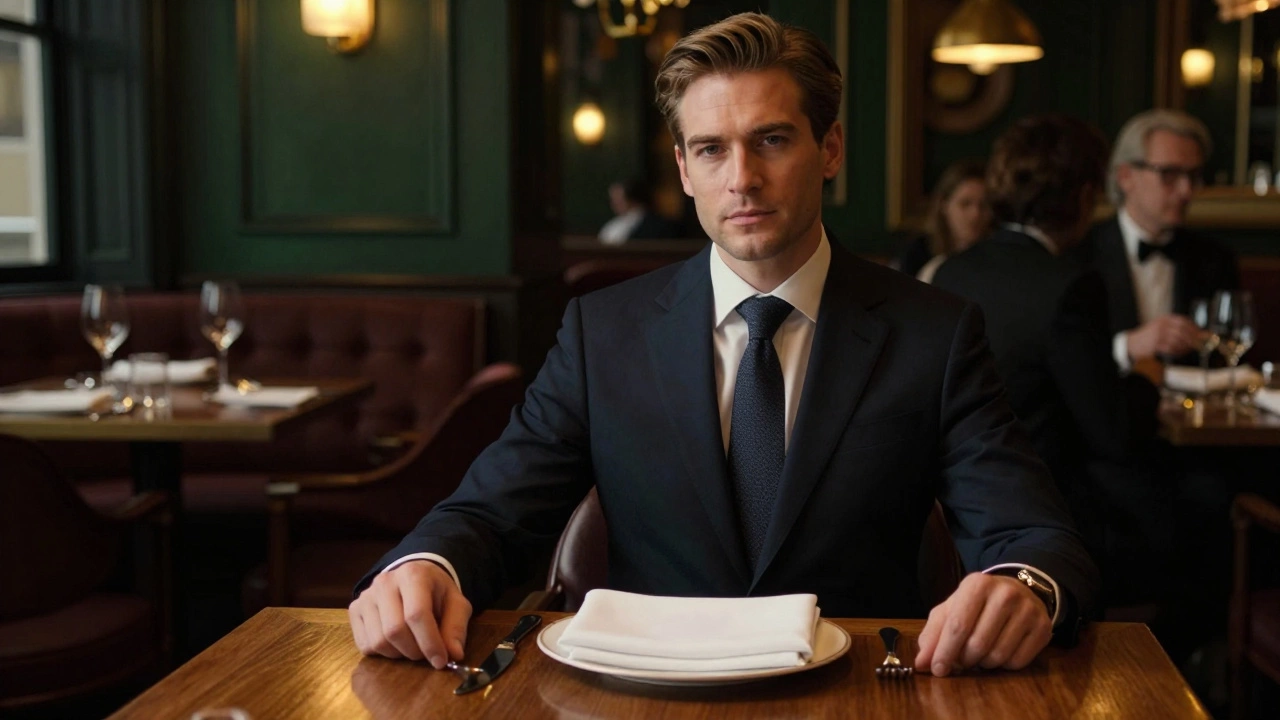
Dining Etiquette Master Quiz
Loading question...
Result Title
Result message goes here.
Key Takeaway
Takeaway text.
Picture this: You’re on a first date, or maybe it’s a high-stakes dinner with potential investors. The food arrives, the conversation is flowing, and then you make a move that freezes the room. Maybe you reach across someone’s plate for the salt, or worse, you start eating before everyone has been served. In an instant, the vibe shifts. It’s not about being fancy; it’s about respect. Good table manners signal that you are confident, considerate, and socially aware. They show you can navigate complex social situations without making others uncomfortable.
Etiquette isn’t a relic of the Victorian era meant to keep people in their place. It’s a tool for smooth interaction. When you know the rules, you stop worrying about them, and you can focus on the company and the meal. Whether you are grabbing a quick burger or sitting down for a three-course meal at a steakhouse, these principles apply. Let’s break down exactly what every man needs to know to dine with confidence.
The Golden Rules Before the First Bite
Before you even touch your fork, there are unspoken contracts you agree to when you sit at a table. These foundational habits set the tone for the entire meal. Ignoring them is like showing up to a job interview in pajamas-it sends the wrong message immediately.
Punctuality and Seating is the first step in dining etiquette, ensuring respect for hosts and fellow diners. If you are the host, wait for guests to arrive before seating yourself. If you are a guest, let the host guide you to your seat. In formal settings, women and elders are often seated first, but in modern casual contexts, just be polite and ask, "Where would you like me to sit?" Never pull out your own chair aggressively; slide it back gently.
Once seated, posture matters. Slouching suggests disinterest or low energy. Sit up straight, keep your elbows off the table (except when resting between bites), and keep your hands visible. Hiding your hands under the table looks suspicious. Rest your wrists lightly on the edge of the table. This signals openness and readiness to engage.
Another critical rule involves the napkin. As soon as you are seated, unfold your napkin and place it on your lap. Do not tuck it into your collar unless you are eating messy seafood like lobster, and even then, only if the rest of the table does so. If you need to leave the table temporarily, place the napkin on your chair, not on the table. Placing it on the table signals to the staff that you are finished and they should clear your plates.
Navigating the Cutlery: Continental vs. American Style
One of the biggest sources of anxiety for men is cutlery. There are two main styles of eating: the Continental (European) style and the American (Zig-Zag) style. Both are acceptable, but consistency is key. Mixing them mid-meal looks chaotic.
| Feature | Continental Style | American Style |
|---|---|---|
| Fork Position | Tines down, held in left hand throughout | Tines up, switched to right hand after cutting |
| Knife Usage | Held in right hand, used to push food onto fork | Used to cut, then placed on plate while switching hands |
| Efficiency | Faster, less movement | Slower, more deliberate pauses |
| Perception | Sophisticated, efficient | Traditional, relaxed |
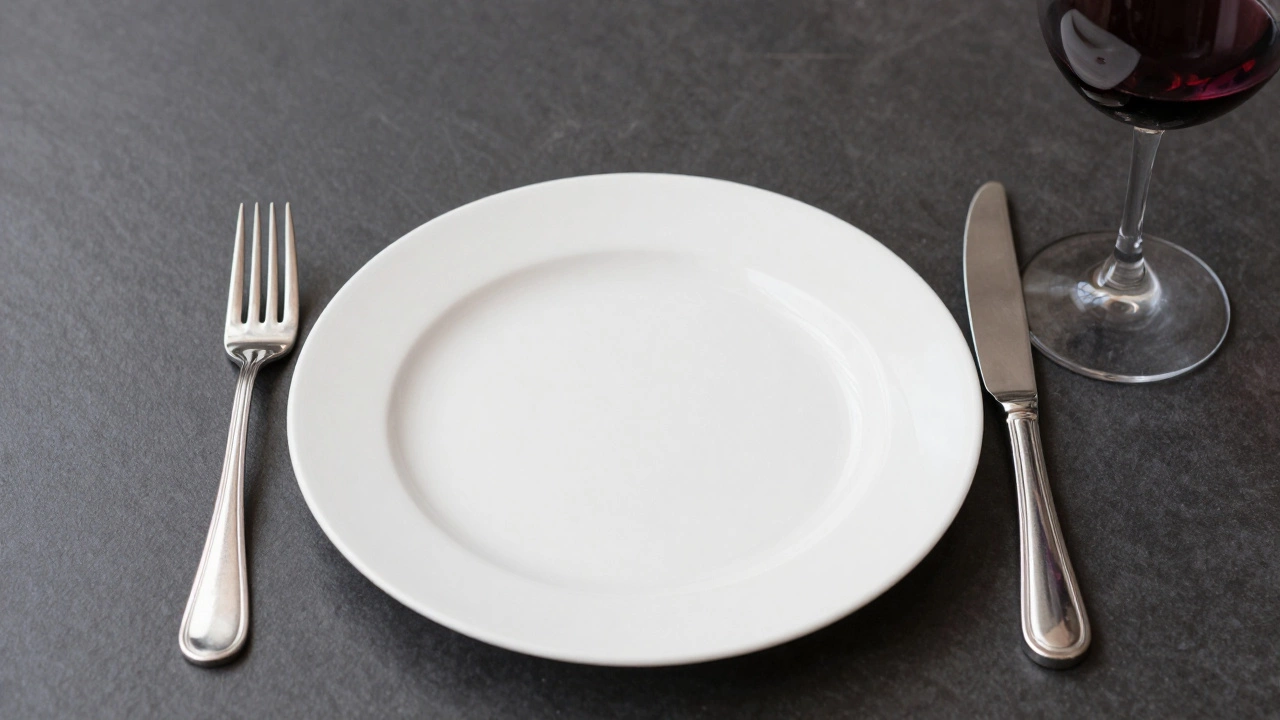
In the Continental style, you hold the fork in your left hand and the knife in your right. You cut a piece of food, then use the knife to help push the bite onto the fork, which stays in your left hand. You eat from the fork with the tines facing down. This method is elegant because your hands never leave the table area.
In the American style, you cut with the knife in your right hand and fork in your left. After cutting a few bites, you place the knife on the top right edge of your plate, switch the fork to your right hand, and eat with the tines facing up. This is perfectly fine, especially in the US, but avoid doing both in the same meal.
When you are finished, place your knife and fork parallel on the plate, handles at four o’clock and blades pointing inward. This tells the server you are done. If you are pausing, cross them slightly in an inverted V shape. Never stack them vertically; it looks precarious and rude.
The Art of Conversation and Interaction
Dining is a social activity. Your behavior toward others is just as important as how you handle your food. One major faux pas is talking with your mouth full. Chew with your mouth closed. It sounds obvious, but many people forget this when they get excited or hungry. Wait until you have swallowed before speaking.
Respect the flow of conversation. Don’t interrupt others, and don’t dominate the discussion. Ask questions and listen actively. If someone is chewing, pause your sentence. It shows empathy and awareness. Also, avoid controversial topics like politics or religion unless you know the group well. Stick to safe, engaging subjects like travel, hobbies, or current events.
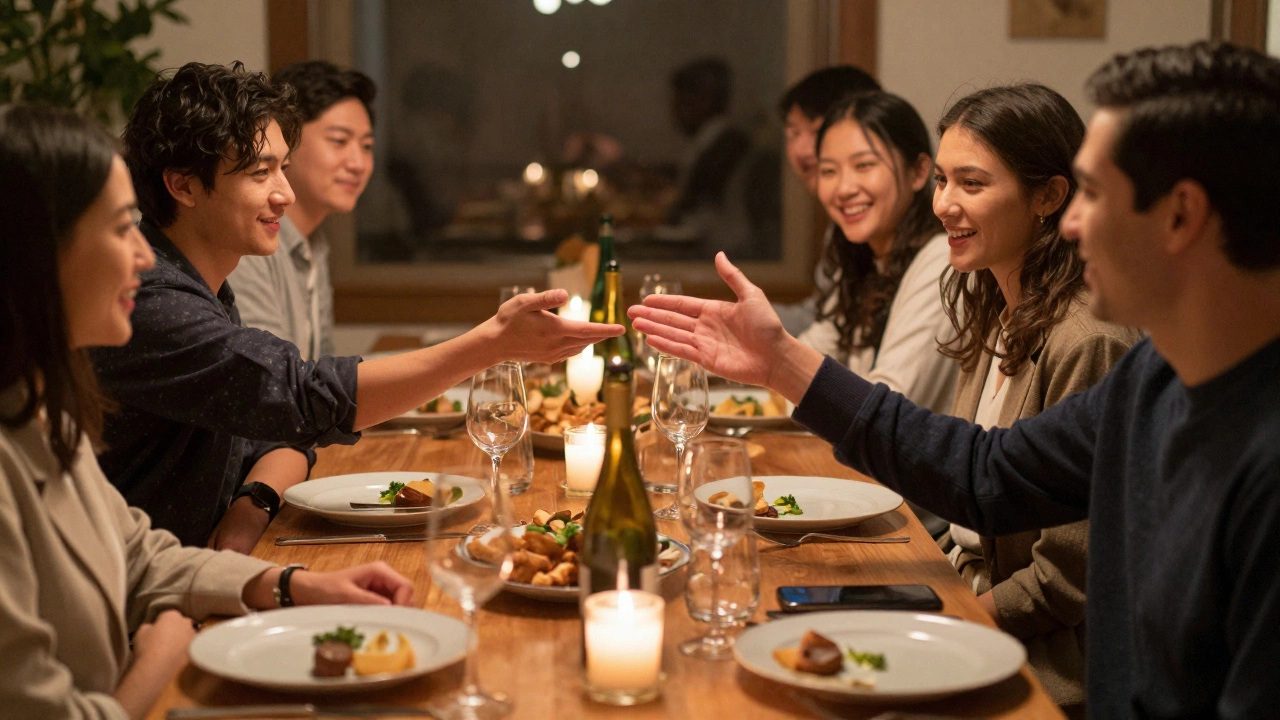
Reaching across the table is a common mistake. If the salt, pepper, or bread basket is out of reach, ask the person closest to it to pass it to you. Say, "Could you please pass the salt?" instead of "Pass the salt." Politeness goes a long way. Never reach over someone’s plate or face to grab something.
Phones are the enemy of good manners. Unless you are waiting for a critical emergency call, keep your phone away. Putting it on the table signals that you are distracted and available to anyone else who might text you. Silence notifications and store it in your pocket or bag. Give your companions your full attention.
Drinking Protocols: Wine, Water, and Beer
Alcohol adds complexity to dining etiquette. If wine is served, hold the glass by the stem, not the bowl. Holding the bowl warms the wine with your body heat, altering its flavor, and leaves fingerprints on the glass. Take small sips rather than large gulps. Toasting is a nice gesture. Make eye contact with the person you are clinking glasses with. It creates a connection.
For water, drink from your designated water glass, not your wine glass. Keep your water glass filled, but don’t chug it. Sip slowly to stay hydrated and pace your drinking. If beer is served, hold the mug by the handle or the base of the glass. Avoid gripping the entire glass with sweaty hands.
Never pour drinks for yourself at a formal dinner. Wait for the host or server to offer. If you are pouring for others, start with the person to your right and continue clockwise. Offer the bottle or carafe, letting them take it if they wish to pour themselves. Always check if someone wants a refill before assuming they do.
Handling Specific Foods with Grace
Certain foods require specific techniques. Bread should be torn into small, bite-sized pieces using your fingers, not cut with a knife. Butter each piece individually. Place the buttered piece on your bread plate, not directly on your main plate. Eat the bread piece in one bite if possible.
Salads are eaten with a fork. Toss the salad lightly if needed, but don’t mix it aggressively. Pick up the leaves and toppings together. For soup, spoon away from you. Start at the side of the bowl closest to you and work outward. Don’t slurp; sip quietly. If the last bit of soup is hard to reach, tilt the bowl away from you slightly, but never lift the bowl to your lips unless it’s a very informal setting.
Bones and pits should be discreetly removed. Use your fork to push them to the side of your plate. Cover them with other food if necessary. Never spit them onto the table or floor. If you drop a utensil, don’t pick it up. Signal the server to replace it. Trying to salvage a dirty fork looks desperate.
Tipping and Leaving the Table
Finishing the meal is as important as starting it. Place your napkin loosely on the table to the left of your plate. Don’t fold it neatly; that’s for the kitchen staff to wash. Leave it crumpled. It shows you used it naturally.
Tipping is crucial, especially in countries like the US where servers rely on it. Aim for 15-20% of the pre-tax bill. In the UK, check if service charge is included. If not, tipping 10-12% is standard for good service. Pay promptly. Lingering too long after the meal can inconvenience the staff and other diners. Thank the server and the host before leaving.
If you had a bad experience, address it calmly with the manager during the meal, not after. Complaining later doesn’t fix the issue and ruins your reputation as a gracious diner. Handle problems with grace and discretion.
What do I do if I spill something?
Stay calm. Apologize briefly to those around you, then use your napkin to dab the spill. Don’t make a huge fuss. Signal a server for help if needed. Most spills happen, and how you react matters more than the accident itself.
Is it okay to use my phone at the table?
Generally, no. Using your phone signals disinterest in your companions. Keep it silenced and out of sight. If you must check an urgent message, excuse yourself from the table first.
How should I hold a wine glass?
Hold the glass by the stem. This prevents your body heat from warming the wine and keeps the glass clean. It also looks more elegant and controlled.
What if I don't know which fork to use?
Use the forks from the outside in. The outermost fork is for the first course, usually salad. The next one in is for the main course. If unsure, watch what others do or ask the server politely.
Can I chew gum during a meal?
No. Chewing gum is considered rude and distracting. If you need fresh breath, use mints before or after the meal, but never while eating.