
The Modern Gentleman Scenario Challenge
How well do you embody the traits of a modern gentleman? Read each scenario carefully and choose the response that best aligns with integrity, empathy, and respect.
Loading question...
Your Gentleman Score
Feedback:
Analyzing your responses...
Traits Demonstrated:
You’ve probably heard the word thrown around. Maybe someone called you one as a compliment, or maybe you saw it in an old movie where the hero tipped his hat to a lady. But what does it actually mean to be a gentleman today? It’s not about wearing a three-piece suit or knowing which fork to use at a fancy dinner. Those are just costumes. The real definition has nothing to do with clothes and everything to do with character.
In 2026, the world is faster, louder, and more connected than ever. People are stressed. Patience is rare. In this environment, being a gentleman isn’t about following rigid Victorian rules. It’s about being a stabilizing force. It’s about treating people with dignity, keeping your word, and acting with integrity even when no one is watching. If you’re wondering how to embody this ideal without looking like you’re stuck in the past, here is the breakdown of what it truly takes.
The Core Definition: Character Over Costume
Let’s clear up the biggest misconception first. A gentleman is not defined by his bank account, his social status, or his wardrobe. Historically, the term referred to men of landed property who didn’t work manual labor. That definition died centuries ago. Today, the concept has shifted entirely from birthright to behavior.
At its heart, being a gentleman means possessing a specific set of internal qualities that manifest in external actions. It is a commitment to self-improvement and respect for others. Think of it as a personal code of conduct. This code includes honesty, reliability, empathy, and emotional control. You don’t need a title to have these traits. You just need the discipline to practice them daily.
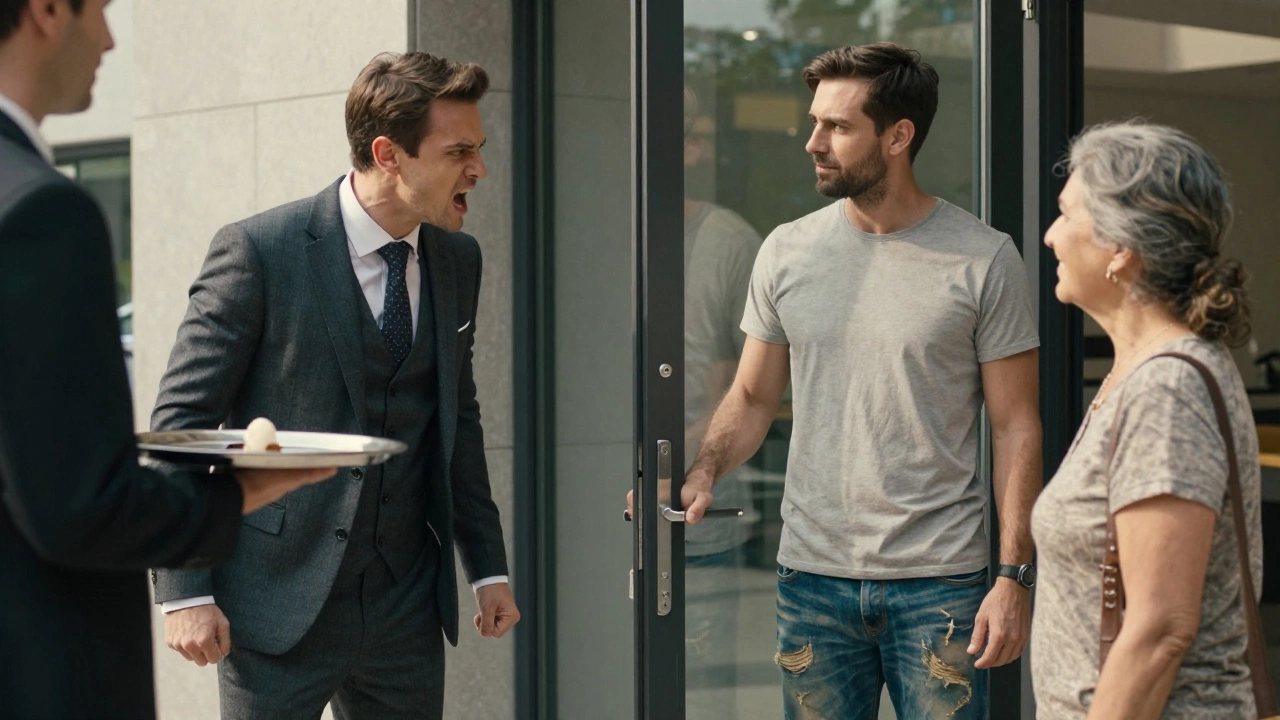
Consider two scenarios. One man wears a tailored tuxedo but yells at a waiter because his drink was wrong. Another man wears worn-out jeans but holds the door open for everyone, listens intently when you speak, and apologizes sincerely if he bumps into you. Who is the gentleman? The answer should be obvious. The second man demonstrates the true essence of the role: respect for human dignity regardless of hierarchy.
Key Traits of the Modern Gentleman
If we break down the abstract idea of "being a gentleman" into actionable traits, several pillars emerge. These aren’t just nice-to-haves; they are the foundation of trust and respect in any relationship, whether professional or personal.
- Integrity is doing the right thing even when it is inconvenient or costly. This means returning extra change if a cashier makes a mistake, admitting when you are wrong in an argument, and keeping promises you made six months ago.
- Empathy is the ability to understand and share the feelings of another person. A gentleman doesn’t just hear words; he reads the room. He notices when a friend is quiet and asks if everything is okay, rather than assuming they are fine.
- Emotional Regulation is maintaining composure under pressure. Losing your temper over traffic or a minor inconvenience signals a lack of control. A gentleman responds to stress with calmness, not aggression.
- Reliability is consistency between words and actions. If you say you will be there at 7 PM, you are there at 7 PM. Your word is your bond.
- Respect for Boundaries is recognizing and honoring the limits set by others. This applies to physical space, time, and emotional comfort. Consent and respect go hand in hand.
These traits are universal. They apply whether you are talking to a CEO, a child, or a stranger on the bus. The modern gentleman understands that everyone deserves the same baseline of respect.
Manners and Etiquette in Daily Life
Now, let’s talk about manners. Yes, they matter. But not the stiff, awkward kind. Good manners are simply tools that make life easier and more pleasant for everyone involved. They are the oil that keeps the gears of social interaction running smoothly.
Think about basic digital etiquette. We spend hours on our phones. A gentleman puts his phone away during a conversation. He doesn’t text while someone is speaking to him face-to-face. This simple act shows that the person in front of him is more important than whatever notification might pop up. It’s a small gesture, but it communicates immense value.
In public spaces, manners show up in how you handle shared resources. Do you hold the elevator door? Do you say "please" and "thank you" to service staff? Do you keep your voice down in a library or a hospital? These aren’t grand gestures. They are micro-interactions that define your character. When you treat a barista with the same courtesy as a judge, you reveal your true nature.
Table manners also still count. You don’t need to know French dining laws, but you should chew with your mouth closed, wait for everyone to be served before eating, and offer to help clean up. These actions show consideration for those sharing the meal with you. It’s about making others feel comfortable, not about showing off your knowledge of silverware.
| Context | Old-School Expectation | Modern Application |
|---|---|---|
| Dining Out | Paying for the entire bill regardless of arrangement | Discussing payment preferences beforehand; offering to split or cover based on mutual agreement |
| Communication | Formal letters and landline calls | Responsive texting, active listening on video calls, putting the phone away in person |
| Conflict Resolution | Avoiding confrontation to "save face" | Addressing issues directly but respectfully, focusing on solutions rather than blame |
| Appearance | Suits and ties required for all formal events | Clean, well-fitted clothing appropriate for the occasion; grooming matters more than brand |
| Gender Roles | Men always lead; women follow | Partnership and equality; decisions are made collaboratively |

Chivalry Reimagined for 2026
The word "chivalry" often gets a bad rap. Some see it as outdated or patronizing. But stripped of its medieval baggage, chivalry is just kindness with intention. It’s about anticipating needs and acting to alleviate burden.
Does this mean opening doors for women? It can, if done naturally and without expectation of reward. But it also means helping an elderly person carry their groceries, letting someone merge in traffic, or standing up for someone being harassed online. Modern chivalry is gender-neutral. It’s about protecting the vulnerable and supporting the struggling, regardless of who they are.
True chivalry respects autonomy. You don’t rescue someone who doesn’t want rescuing. You ask, "Can I help with that?" and accept the answer. If they say no, you move on. If they say yes, you help. This balance of helpfulness and respect is crucial. It avoids the trap of savior complexes and focuses on genuine assistance.
In relationships, this translates to emotional support. Listening without trying to fix everything immediately. Validating feelings instead of dismissing them. Being present. These acts of emotional chivalry are far more valuable in today’s fast-paced world than carrying coats or pulling out chairs.
Self-Care and Presentation
Being a gentleman also involves taking care of yourself. This isn’t about vanity; it’s about respect. When you take care of your health and appearance, you show respect for yourself and for the people you interact with. No one wants to engage with someone who looks like they haven’t slept in weeks or smells like stale coffee and sweat.
Grooming is key. Clean nails, trimmed hair, fresh breath, and clean clothes are non-negotiable basics. You don’t need expensive products. Just consistency. Shower daily. Floss your teeth. Iron your shirts. These small habits signal that you value order and cleanliness.
Physical health matters too. Exercise regularly. Eat nutritious food. Get enough sleep. A gentleman has the energy to engage with life fully. He doesn’t complain about being tired all the time. He manages his body so it serves him well. This discipline extends to mental health as well. Seeking therapy or counseling when needed is a sign of strength, not weakness. It shows a commitment to understanding oneself and growing.

Continuous Learning and Growth
A gentleman is never finished learning. He stays curious. He reads books, listens to podcasts, travels, and talks to people different from himself. He knows that ignorance is a choice and actively works against it.
This curiosity makes him interesting. He can hold a conversation on various topics. He doesn’t dominate discussions but contributes meaningfully. He admits when he doesn’t know something and asks questions. This humility is attractive and respected.
He also reflects on his actions. At the end of the day, he might think, "Did I handle that situation well? Could I have been kinder?" This self-reflection allows for correction and improvement. It prevents stagnation. A gentleman is always evolving, striving to be better than he was yesterday.
Building Lasting Relationships
All these traits-integrity, empathy, manners, chivalry, self-care, and growth-come together to build strong relationships. People gravitate toward those who make them feel safe, valued, and heard. A gentleman creates this environment naturally.
In friendships, he is loyal. He doesn’t gossip behind backs. He celebrates others’ successes without jealousy. In romantic partnerships, he is a teammate. He shares responsibilities, communicates openly, and supports his partner’s dreams. In professional settings, he is dependable. Colleagues know they can count on him to deliver quality work and treat everyone fairly.
Ultimately, being a gentleman is a gift to the world. It raises the standard of interaction. It makes communities safer, kinder, and more cohesive. It’s not about perfection. It’s about direction. Are you moving toward more respect, more integrity, and more kindness? If so, you’re on the right path.
Is being a gentleman only for men?
No. While the term historically refers to men, the qualities associated with being a gentleman-respect, integrity, empathy, and good manners-are universal virtues. Anyone, regardless of gender, can embody these traits. Many people appreciate these behaviors in friends, partners, and colleagues, irrespective of their gender identity.
Do I need to be rich to be considered a gentleman?
Absolutely not. Wealth has no bearing on character. A gentleman is defined by his actions and attitude, not his net worth. In fact, many wealthy individuals fail to meet the criteria due to arrogance or lack of empathy, while people with modest means exemplify gentility through kindness and integrity every day.
How can I start acting more like a gentleman?
Start small. Practice active listening in your next conversation. Put your phone away when dining with others. Say "please" and "thank you" consistently. Keep your promises, even the small ones. Reflect on your interactions at the end of each day and identify one area for improvement. Consistency in these small habits builds the foundation of gentlemanly behavior.
What is the difference between politeness and being a gentleman?
Politeness is often superficial and situational-it’s saying the right words. Being a gentleman is deeper; it’s about genuine respect and character. You can be polite while being manipulative or dishonest. A gentleman aligns his inner values with his outer actions. His politeness stems from true empathy and integrity, not just social conditioning.
Why is emotional regulation important for a gentleman?
Emotional regulation allows a gentleman to remain calm under pressure, preventing unnecessary conflict and ensuring thoughtful responses. It demonstrates maturity and self-control. When emotions run high, a gentleman pauses, assesses the situation, and responds constructively rather than reactively. This stability makes him a reliable anchor for those around him.