
Mindset Assessment Tool
Discover whether you respond with a Fixed or Growth mindset in common scenarios
Scenario Challenge
0 / 5 CompletedHave you ever watched someone fail spectacularly-miss a deadline, lose a client, or face public criticism-and then bounce back stronger than before? Meanwhile, you might have stumbled over the same hurdle and felt stuck for weeks. The difference isn’t luck. It’s not even talent. It’s the way their brain processes reality. Understanding a successful mind isn’t about chasing a vague feeling of positivity. It is about recognizing specific cognitive patterns that turn obstacles into fuel.
We often think success is a destination you arrive at with money or titles. But psychologists and high performers know it is actually an operating system. A successful mind is defined by how it handles uncertainty, failure, and feedback. If you want to build this mindset, you first need to understand what makes it tick.
The Core Pillars of a High-Performance Mindset
At its heart, a successful mind relies on three non-negotiable pillars: adaptability, agency, and emotional regulation. These aren’t soft skills; they are survival mechanisms in a complex world.
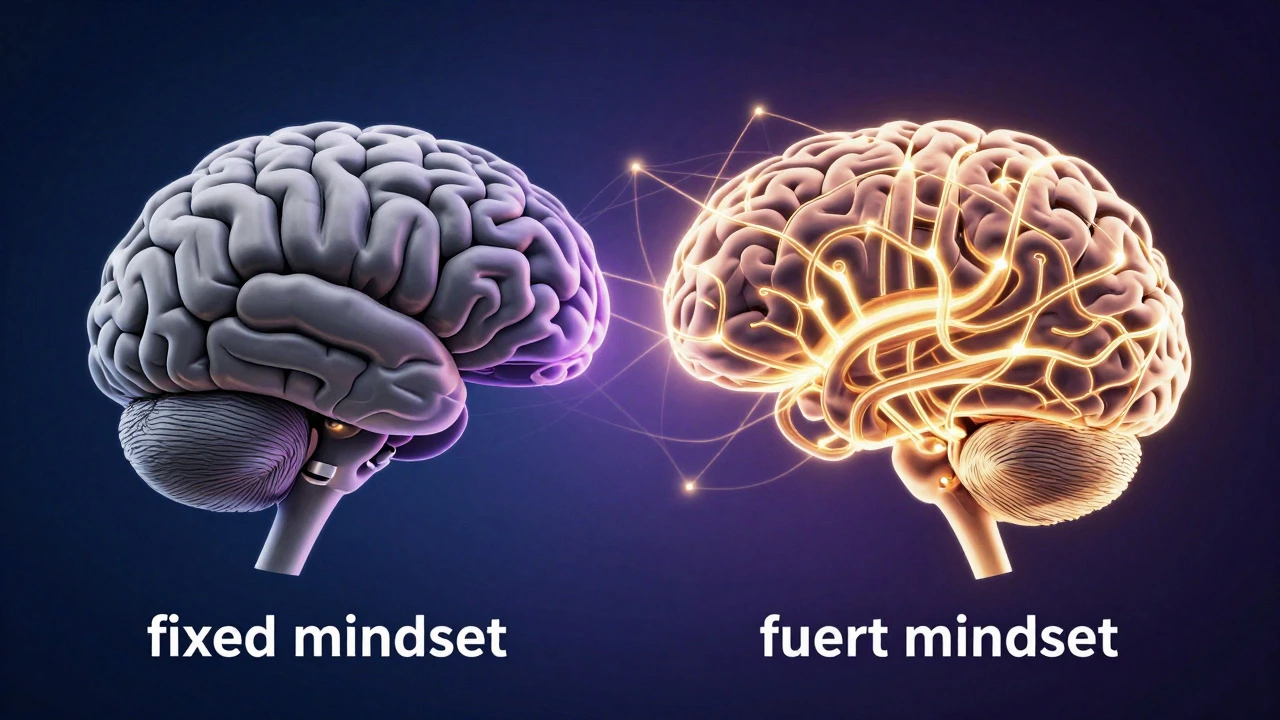
Growth Mindset is the belief that abilities can be developed through dedication and hard work. Coined by psychologist Carol Dweck, this concept suggests that your brain is like a muscle-it grows when challenged. People with a fixed mindset avoid challenges to protect their ego. Those with a growth mindset seek them out because they view effort as the path to mastery.
Then there is Internal Locus of Control. This means believing you influence your outcomes rather than being a victim of circumstance. When things go wrong, a person with an internal locus asks, "What part did I play?" instead of "Why is this happening to me?" This shift from blame to responsibility is the fastest way to regain power over your life.
Finally, Emotional Intelligence (EQ) acts as the governor for your reactions. High EQ allows you to pause between stimulus and response. In that pause lies your freedom to choose a strategic reaction rather than an impulsive one. Without this, even the smartest strategies fall apart under pressure.
How a Successful Mind Processes Failure
Most people treat failure as a verdict. A successful mind treats it as data. This distinction changes everything.
When you fail, your brain’s amygdala-the fear center-lights up. It wants you to withdraw and hide. A resilient mind overrides this instinct by engaging the prefrontal cortex, the logic center. Instead of spiraling into shame, you analyze the event objectively.
- Detach Identity from Outcome: You didn’t fail; your strategy failed. There is a huge difference. Your worth remains intact while your method needs tweaking.
- Seek Immediate Feedback: Don’t wait for quarterly reviews. Ask mentors, peers, or customers right away. What specifically went wrong?
- Iterate Quickly: Use the feedback to make a small adjustment and try again. Speed reduces the pain of failure.
Consider Thomas Edison. He didn’t say he failed 10,000 times. He said he found 10,000 ways that didn’t work. That reframe turns exhaustion into progress. Every mistake narrows the field of possibilities.
Daily Habits That Rewire Your Brain
You cannot think your way into a new way of acting, but you can act your way into a new way of thinking. Neuroplasticity-the brain’s ability to reorganize itself-requires consistent repetition. Here are practical habits that build mental toughness and clarity.
- Morning Intention Setting: Spend five minutes each morning defining your top three priorities. Not a to-do list of twenty items, but three critical wins. This focuses your limited willpower where it matters most.
- Deep Work Blocks: Schedule 90-minute blocks of uninterrupted focus. Turn off notifications. Close email. Deep work builds competence faster than shallow multitasking ever could.
- Reflective Journaling: At night, write down what went well and what didn’t. This practices self-awareness and helps you spot recurring patterns in your behavior.
- Physical Movement: Exercise isn’t just for the body. Cardiovascular activity increases blood flow to the hippocampus, improving memory and learning. A walk after lunch can reset your mental state better than another cup of coffee.
These habits seem simple, which is why they are powerful. Consistency beats intensity. Doing these things imperfectly every day creates compound interest in your mental strength.

The Role of Environment and Social Circles
Your mind does not exist in a vacuum. It is heavily influenced by who surrounds you and where you spend your time. Psychologists call this social contagion. If your closest friends complain constantly, you will likely adopt a cynical outlook. If they solve problems and take action, you will mirror that behavior.
Auditing your environment is crucial. Look at your digital inputs too. Are you scrolling through curated highlights of other people’s lives, triggering comparison? Or are you consuming content that teaches you skills? Curate your information diet like you curate your food intake. Garbage in, garbage out.
Surround yourself with people who challenge your assumptions. A homogeneous group creates echo chambers. Diverse perspectives force your brain to work harder, leading to better decision-making and innovation.
Comparison Table: Fixed vs. Growth Mindset Responses
| Scenario | Fixed Mindset Response | Successful/Growth Mindset Response |
|---|---|---|
| Receiving Criticism | Defensive; takes it personally | Curious; looks for actionable insights |
| Facing a New Challenge | Avoids it to prevent looking incompetent | Embraces it as a learning opportunity |
| Seeing Others Succeed | Feels threatened or envious | Seeks inspiration and lessons |
| Hitting a Plateau | Gives up; believes lack of talent | Persists; adjusts strategy |

Overcoming Mental Barriers
Even with the right habits, you will hit walls. Imposter syndrome, fear of judgment, and burnout are common enemies. Recognizing them early is key.
Imposter Syndrome is the persistent inability to believe that your success is deserved or has been legitimately achieved as a result of your own efforts or skills. To combat it, keep a "kudos file." Document positive feedback, completed projects, and solved problems. When doubt creeps in, read the evidence. Facts beat feelings.
Burnout often comes from chronic stress without recovery. A successful mind knows when to push and when to rest. Rest is not laziness; it is part of the performance cycle. Sleep, meditation, and disconnecting from technology are essential maintenance tasks for your mental hardware.
Building Resilience Through Adversity
Resilience isn’t about never falling down. It’s about how quickly you get back up. Research shows that post-traumatic growth is real. People who navigate significant adversity often emerge with greater appreciation for life, improved relationships, and a stronger sense of personal strength.
To build this, practice reframing. Instead of asking "Why me?" ask "What now?" This shifts your energy from passive suffering to active problem-solving. Small wins build momentum. Celebrate them. Acknowledge your progress, no matter how incremental.
Can anyone develop a successful mind?
Yes. Neuroscience confirms neuroplasticity exists throughout adulthood. While some traits may have genetic components, behaviors like persistence, optimism, and discipline are learned skills. With deliberate practice, anyone can rewire their brain to respond more effectively to challenges.
Is a successful mind always positive?
Not necessarily. Toxic positivity ignores real problems. A successful mind is realistic. It acknowledges negative emotions without being controlled by them. It accepts bad news, processes the grief or anger, and then moves toward solutions. It’s about balance, not constant happiness.
How long does it take to change my mindset?
There is no set timeline. Some shifts happen overnight after a pivotal moment. For most, it is a gradual process of months or years. Consistency is more important than speed. Focus on daily improvements rather than a final destination.
What is the biggest myth about a successful mind?
The myth is that successful people don’t struggle. They do. The difference is they have systems to manage those struggles. They don’t rely on motivation, which is fleeting. They rely on discipline and habit, which are reliable.
Does intelligence determine if you have a successful mind?
IQ plays a role in certain technical fields, but emotional intelligence and grit are better predictors of long-term success. Many highly intelligent people fail due to poor interpersonal skills or inability to handle setbacks. A successful mind values wisdom and adaptability over raw processing power.