Informal Wear Style Checker
Select the items you are wearing today to see which dress code category your outfit falls into. This tool helps you avoid being underdressed or overdressed for social and professional events.
Select your outfit components above
Your style classification will appear here.
Ever stood in front of your closet, staring at a pile of clothes, wondering if you look "too dressed up" or "too sloppy" for the day ahead? It happens to the best of us. The term informal wear is a category of clothing that prioritizes comfort and relaxed aesthetics over strict dress codes, typically excluding suits and ties. But what exactly does that mean in practice? Is it just wearing old jeans and a t-shirt? Not quite. Informal wear sits in a specific sweet spot: it’s polished enough to show you care, but loose enough to let you breathe.
Think of it as the middle ground between lounging on the sofa and attending a board meeting. If you’ve ever been told to dress "smart casual" or "business casual," you’re likely being asked to navigate the world of informal wear. Getting this right can boost your confidence, make a good first impression, and save you from the awkwardness of overdressing or underdressing. Let’s break down what actually constitutes this style, how to build it into your wardrobe, and how to avoid the common pitfalls that trip up most guys.
The Core Principles of Informal Styling
Before we talk about specific items, you need to understand the vibe. Informal wear isn't about looking lazy; it's about looking effortless. The core principle is balance. You want clean lines, well-fitted garments, and a mix of textures that don’t clash. Unlike formal wear, which relies on symmetry and rigid rules (like matching your belt to your shoes), informal styling allows for more creativity and personal expression.
Fit is the non-negotiable rule here. A $50 t-shirt that fits perfectly will always look better than a $200 one that hangs off your shoulders like a tent. When shopping for informal pieces, prioritize tailoring if needed. Tucking in shirts, rolling sleeves, and ensuring pants hit the right length are small tweaks that elevate an outfit from "sleepwear" to "streetwear."
- Comfort: You should be able to move freely. If you're constantly adjusting your collar or pulling down your shirt, the fit is wrong.
- Cleanliness: Wrinkles and stains kill the casual vibe instantly. Iron or steam your clothes before you go out.
- Simplicity: Less is more. One statement piece (like a nice watch or a bold jacket) is enough. Don't compete with yourself.
Building Your Foundation Wardrobe
You don’t need a closet full of expensive brands to master informal wear. You need a few high-quality basics that work together. Think of these as your building blocks. Once you have these, mixing and matching becomes easy.
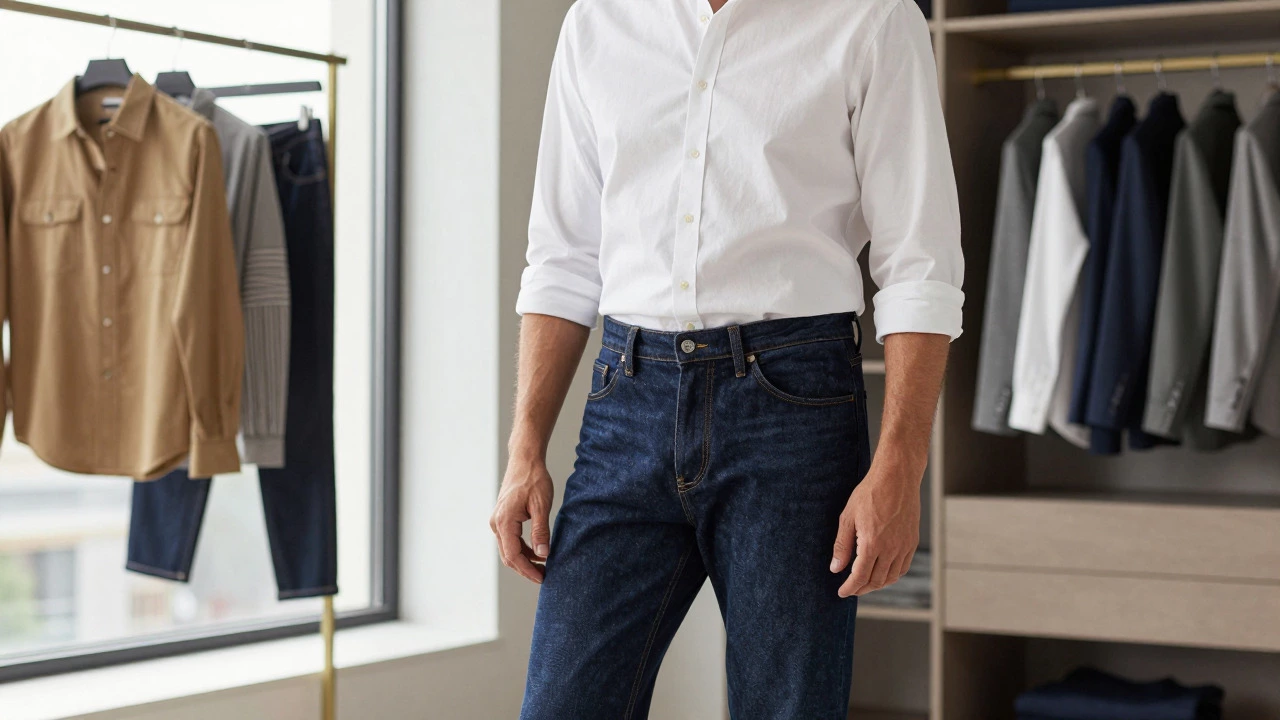
- Quality Denim: Jeans are the backbone of male informal wear. Aim for dark indigo or black washes. They are versatile and can be paired with almost anything. Avoid distressed rips unless you're going for a very specific edgy look; solid denim is safer and more timeless.
- Plain Tees: White, black, navy, and grey are essential. Look for thicker cotton fabrics that hold their shape. A good tee should sit flat against your chest without stretching weirdly.
- Oxford Shirts: This is the bridge between casual and semi-formal. An Oxford button-down can be worn open over a tee, tucked in with chinos, or even left untucked if the cut is modern. It adds structure to an otherwise soft outfit.
- Chinos or Twill Pants: These replace jeans when you want something slightly sharper. Khaki, olive, and navy are standard colors. They are less structured than dress trousers but neater than denim.
- Footwear: Clean white sneakers are the ultimate informal shoe. They go with jeans, chinos, and shorts. Leather loafers or desert boots add a bit of sophistication without requiring socks-and-ties energy.
Navigating the Gray Area: Smart Casual vs. Business Casual
This is where confusion usually lives. People use these terms interchangeably, but they aren't the same thing. Understanding the difference saves you from showing up to a date in shorts or to a client lunch in a full suit.
| Feature | Strictly Informal | Smart Casual | Business Casual |
|---|---|---|---|
| Bottoms | Jeans, Shorts | Chinos, Dark Jeans | Trousers, Chinos |
| Tops | T-shirts, Hoodies | Polo Shirts, Button-Downs | Blouses, Dress Shirts |
| Outerwear | Jackets, Windbreakers | Blazers, Bombers | Blazers, Suit Jackets |
| Shoes | Sneakers, Sandals | Clean Sneakers, Loafers | Leather Shoes, Boots |
| Vibe | Relaxed, Weekend | Polished, Date Night | Professional, Office |
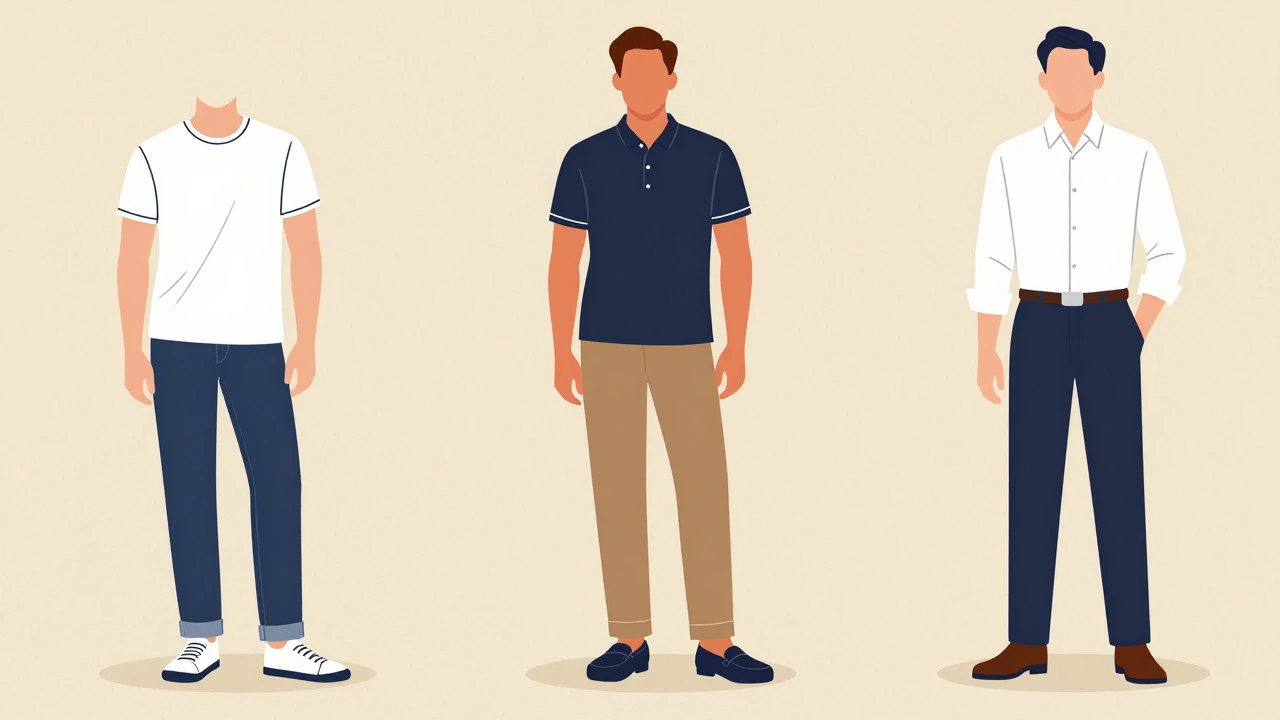
If the invitation says "smart casual," lean towards chinos and a polo or button-down. If it says "business casual," skip the jeans entirely and go for trousers and a collared shirt. When in doubt, err on the side of slightly more put-together. It’s easier to loosen a tie (if you were wearing one) than to find a clean pair of trousers at a bar.
Common Mistakes to Avoid
Even with the right clothes, execution matters. Here are the three biggest mistakes I see guys make when trying to pull off informal looks.
1. The Athleisure Trap. Wearing gym leggings or technical running shirts outside the gym is risky. While athleisure has its place, mixing performance fabric with streetwear often looks accidental rather than intentional. If you wear joggers, make sure they are tailored and not too baggy, and pair them with a crisp top.
2. Ignoring Proportions. If your top is oversized, keep your bottom slim. If your pants are wide-leg, tighten up your shirt. Balancing volume prevents you from looking like you got dressed in the dark. This rule applies especially to jackets and hoodies.
3. Forgetting Accessories. A plain outfit can feel flat without finishing touches. A simple leather strap watch, a minimal chain, or a quality wallet can tie the look together. However, don't overdo it. One or two accessories max. If you're wearing a loud patterned shirt, keep the watch simple.
Seasonal Adjustments for Year-Round Style
Informal wear changes with the weather, but the principles stay the same. In summer, focus on breathable fabrics like linen and lightweight cotton. Lighter colors reflect heat and look fresher. Pair linen shirts with light-wash denim or beige shorts. Keep footwear open or breathable.
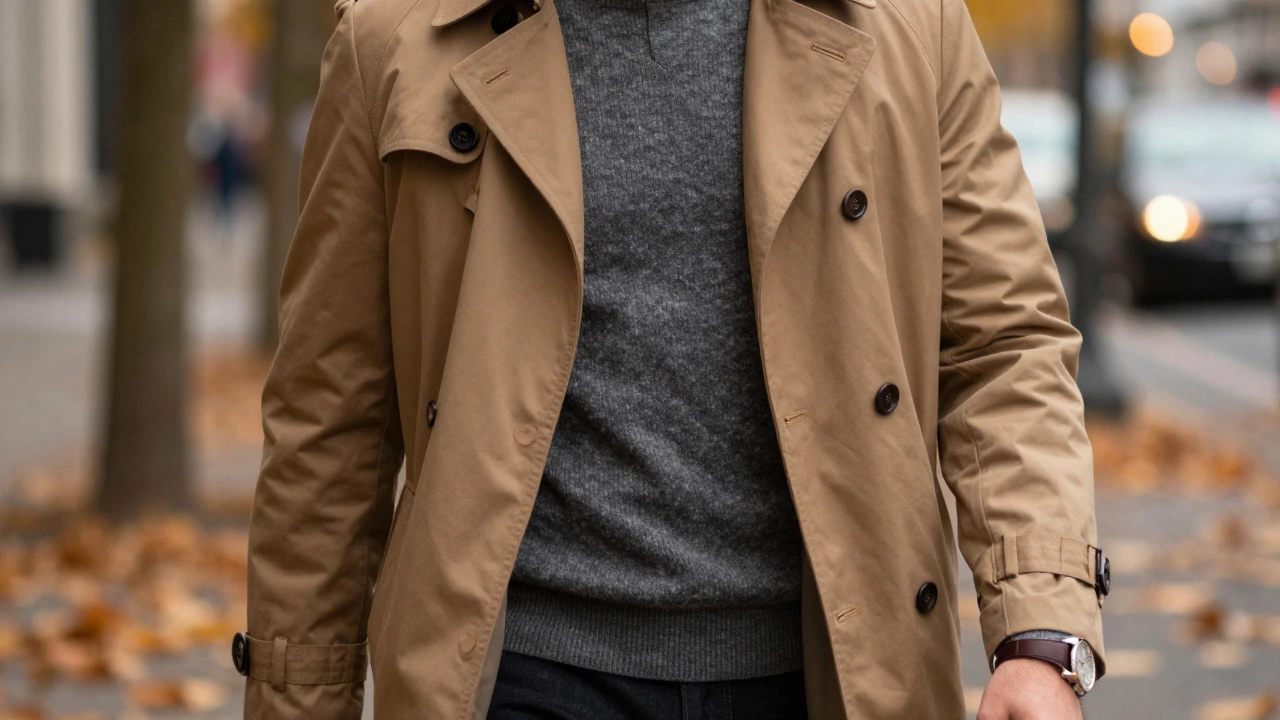
In winter, layering is your best friend. Start with a base layer, add a mid-layer like a merino wool sweater, and finish with a structured coat or puffer jacket. Darker tones dominate autumn and winter wardrobes, creating a cohesive, grounded look. Boots become essential here, replacing sneakers for warmth and style. The key is to ensure each layer works independently, so you can shed them as the temperature rises indoors.
Frequently Asked Questions
Can I wear a hoodie for informal occasions?
Yes, but context matters. A clean, solid-colored hoodie pairs well with jeans and sneakers for a weekend outing or casual hangout. Avoid graphic-heavy or dirty hoodies for dates or semi-social events. If you want to elevate a hoodie, layer it under a blazer or bomber jacket.
Are jeans considered informal wear?
Absolutely. Jeans are the quintessential informal bottom. Dark, straight-leg or slim-fit jeans are the most versatile. They work for both strictly casual settings and smart casual environments when paired with the right top and shoes.
What shoes go with everything in an informal wardrobe?
Clean white leather sneakers are the safest bet. They complement jeans, chinos, and shorts. For a slightly more elevated option, tan leather loafers or suede desert boots work well with chinos and darker denim.
How do I know if my outfit is too casual?
Check the venue and company. If everyone else is wearing collars, you probably should too. A quick rule of thumb: if you could comfortably sleep in your outfit, it might be too casual for a social event. Adding a jacket or switching sneakers for boots can instantly raise the formality level.
Is a t-shirt okay for a date night?
It depends on the date. For a casual coffee or walk, a nice tee is fine. For dinner, consider upgrading to a polo shirt or a button-down. If you stick with a tee, choose a high-quality fabric and pair it with chinos and clean shoes to show effort.