
Toxic Relationship Awareness Quiz
Relationships should be built on mutual respect, trust, and support. This short quiz helps you reflect on common warning signs discussed in the article.
Your Reflection Score
Need Support?
If you feel unsafe or need professional guidance, please reach out:
- UK Refuge Helpline: 0808 2000 247
- National Domestic Abuse Helpline: 0808 2000 247
- Mens Advice Line: 0808 801 0327
Have you ever walked away from a conversation with your partner feeling more drained than when you started? Maybe you feel like you're constantly walking on eggshells, afraid that one wrong word will trigger an explosion. If this sounds familiar, you might be dealing with a toxic relationship. Recognizing these patterns early can save you months-or even years-of emotional turmoil.
A Toxic relationship is a connection characterized by persistent negative behaviors such as manipulation, control, disrespect, or emotional abuse that erode your well-being over time. Unlike occasional arguments, which are normal in any partnership, toxicity creates a cycle of stress and anxiety that becomes the status quo. It’s not always obvious at first. Many toxic dynamics start subtly, disguised as passion, intensity, or “just how they are.” But if you know what to look for, you can spot the warning signs before they take root.
The Quick Reality Check: Are You Walking on Eggshells?
One of the most telling signs of a toxic relationship is the constant need to monitor your behavior to avoid conflict. Do you find yourself rehearsing sentences before saying them out loud? Do you apologize for things that aren’t your fault just to keep the peace? This isn’t love-it’s survival mode. In healthy relationships, you feel safe expressing your thoughts without fear of retaliation. When that safety disappears, something fundamental has shifted.
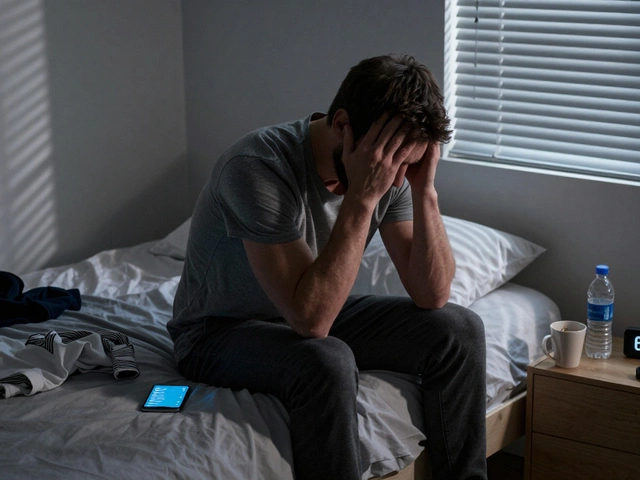
Think about how you feel after spending time together. Do you leave interactions energized and supported, or do you feel exhausted, confused, or small? Your body often knows the truth before your mind catches up. Chronic stress from a toxic dynamic can manifest physically: headaches, stomach issues, sleep disturbances, or a general sense of dread when you see their name pop up on your phone.
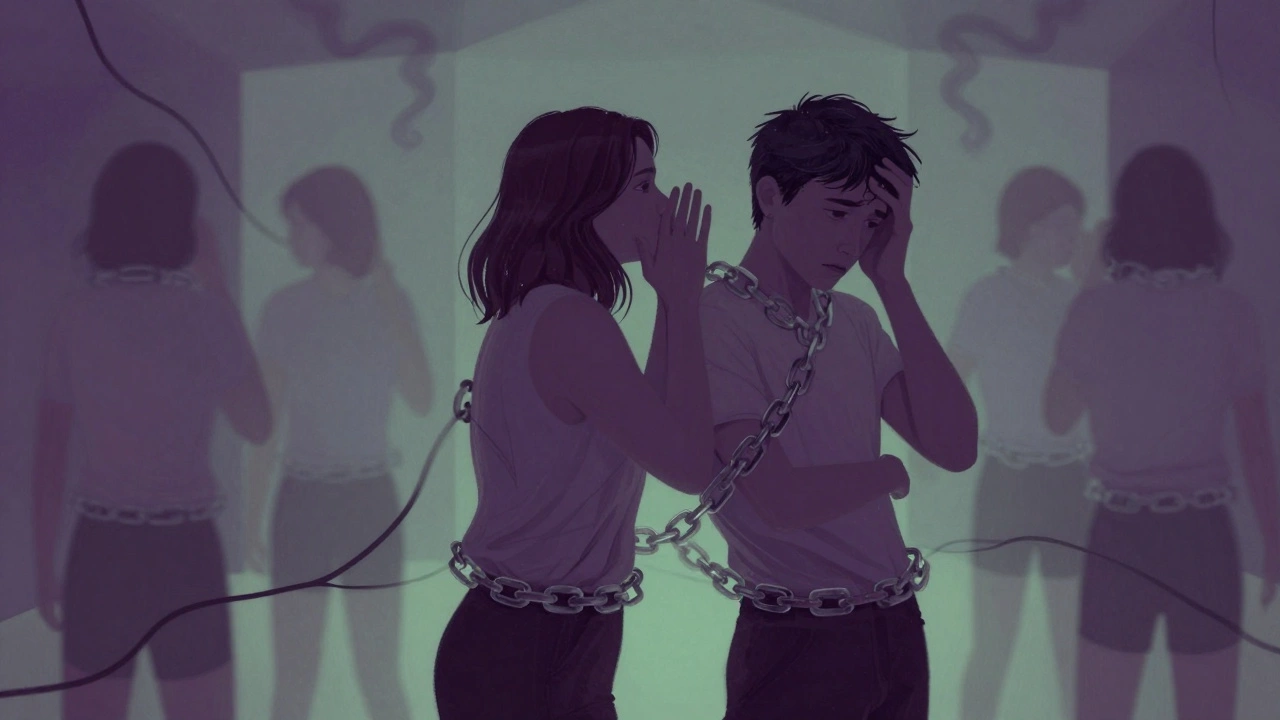
Emotional Manipulation: The Invisible Chains
Manipulation doesn’t always look like overt lies or threats. Often, it wears a mask of concern or vulnerability. Gaslighting is one of the most insidious forms. Your partner might deny things they said, twist your memories, or make you question your own sanity. “I never said that,” or “You’re too sensitive,” are classic phrases used to shift blame onto you.
Another common tactic is guilt-tripping. They might remind you of all they’ve done for you, making you feel indebted or selfish for setting boundaries. Love shouldn’t come with strings attached. If you feel obligated to stay because you’d be letting them down, that’s not devotion-it’s coercion. Healthy partners respect your autonomy; toxic ones try to control it.
- Gaslighting: Denying reality to make you doubt your perception.
- Guilt-tripping: Using obligation to manipulate your choices.
- Silent treatment: Withholding affection or communication as punishment.
- Moving goalposts: Changing expectations so you can never satisfy them.
Control and Isolation: Cutting Off Your Support System
Isolation is a major red flag. Does your partner discourage you from seeing friends or family? Do they criticize your loved ones until you stop reaching out? Or worse, do they demand access to your phone, social media accounts, or location data under the guise of “trust”? Trust is built through mutual respect, not surveillance.
In Leeds, where community ties matter, pulling away from local support networks can leave you vulnerable. A toxic partner might frame this isolation as wanting more quality time with you, but the result is the same: you become dependent on them for validation and companionship. Once you’re isolated, it’s harder to get outside perspective, making it easier for them to maintain control.
Watch for financial control too. Do they monitor every penny you spend? Do they insist on handling all finances while keeping you in the dark? Financial independence is crucial for personal freedom. If you can’t buy coffee without asking permission, that’s not partnership-that’s captivity.
Disrespect and Contempt: The Death Knell of Connection
Psychologist John Gottman famously identified contempt as the number one predictor of divorce. Contempt looks like mockery, eye-rolling, name-calling, or dismissive attitudes. It signals that your partner sees you as inferior or unworthy of basic respect. Occasional frustration is human; chronic contempt is destructive.
Pay attention to how they talk about you behind your back. Do they belittle your achievements, mock your interests, or share private details with others without consent? Respect is non-negotiable. Without it, intimacy cannot survive. You deserve someone who celebrates your strengths and supports your growth, not someone who tears you down to boost their own ego.
| Behavior | Healthy Dynamic | Toxic Dynamic |
|---|---|---|
| Conflict Resolution | Open discussion, compromise, apology | Blame-shifting, stonewalling, escalation |
| Communication | Honest, respectful, active listening | Critical, defensive, manipulative |
| Boundaries | Respected and negotiated mutually | Ignored, violated, or punished |
| Support | Encourages individual growth | Undermines confidence and independence |
| Trust | Built through consistency and transparency | Eroded by secrecy, jealousy, or control |
The Cycle of Abuse: Why It Feels So Hard to Leave
Toxic relationships often follow a predictable pattern known as the cycle of abuse. It starts with tension-building, where you feel anxious and try to placate your partner. Then comes the incident-an argument, insult, or act of aggression. Afterward, there’s a honeymoon phase: apologies, promises to change, affectionate gestures. This phase gives you hope, reinforcing the belief that things will improve. But eventually, the tension builds again, and the cycle repeats.
This intermittent reinforcement makes leaving incredibly difficult. You cling to the good moments, hoping they’ll outweigh the bad. But the truth is, the highs don’t cancel out the lows-they enable them. Breaking free requires recognizing that the pattern itself is the problem, not just the individual incidents.

Self-Reflection Questions: Am I Staying for the Right Reasons?
Ask yourself honestly: Would I recommend this relationship to my best friend? If the answer is no, why am I tolerating it? We often hold ourselves to different standards than those we care about. Imagine your sister, brother, or child was in this situation. What advice would you give them?
Also consider: What am I gaining versus losing? List the pros and cons objectively. Often, the “pros” are fleeting moments of happiness or fear of being alone, while the “cons” include chronic stress, loss of identity, and diminished self-worth. Being single is better than being unhappy in a partnership that drains your spirit.
- Do I feel respected when we disagree?
- Can I express my needs without fear of retribution?
- Does my partner support my goals and dreams?
- Do I feel like myself around them, or do I shrink?
- Would I feel safe if our roles were reversed?
Taking Action: Steps Toward Freedom
If you recognize these signs, don’t panic. Awareness is the first step toward change. Start by documenting specific incidents-dates, times, and what was said or done. This helps counter gaslighting and provides clarity when emotions run high. Talk to trusted friends or family members. Isolation thrives in silence; sharing breaks its power.
Consider speaking with a therapist or counselor. Professionals trained in domestic violence or relationship dynamics can help you process trauma, rebuild self-esteem, and create a safety plan if needed. In the UK, organizations like Refuge offer confidential support for anyone experiencing emotional or physical abuse.
Set firm boundaries. Decide what behaviors you will no longer tolerate and communicate them clearly. If your partner respects them, great. If they ignore or punish you for setting limits, that confirms the toxicity. Remember: you cannot force someone else to change, but you can control your response.
Finally, prioritize your healing. Rebuilding trust in yourself takes time. Engage in activities that bring joy, reconnect with hobbies you abandoned, and surround yourself with people who uplift you. You deserve a relationship that adds value to your life, not one that subtracts from it.
What is the difference between a bad day and a toxic relationship?
A bad day involves temporary mood swings or mistakes that don’t define the overall relationship. A toxic relationship features consistent patterns of disrespect, manipulation, or control that persist over time despite discussions or attempts to resolve them. Look for frequency, intensity, and impact on your well-being.
Can a toxic relationship become healthy?
It’s possible but rare. Both partners must acknowledge the toxicity, commit to professional therapy, and demonstrate sustained behavioral change over months or years. One-sided efforts rarely succeed. If only one person wants to fix things, the imbalance usually persists.
Why do I stay in a toxic relationship even though I’m unhappy?
Common reasons include fear of loneliness, low self-esteem, financial dependence, cultural pressure, or hope that things will improve. The cycle of abuse also creates psychological attachment through intermittent rewards. Understanding these factors is key to breaking free.
How do I set boundaries with a toxic partner?
Clearly state what behavior is unacceptable and what consequence will follow if it continues. For example: “If you yell at me, I will end the conversation and leave the room.” Follow through consistently. Boundaries only work if enforced, regardless of their reaction.
Where can I get help if I suspect emotional abuse?
In the UK, contact Refuge (0808 2000 247) or National Domestic Abuse Helpline (0808 2000 247). Online resources like Women’s Aid or Men’s Advice Line provide confidential guidance. Therapists specializing in trauma or relationship counseling can also assist in recovery planning.