
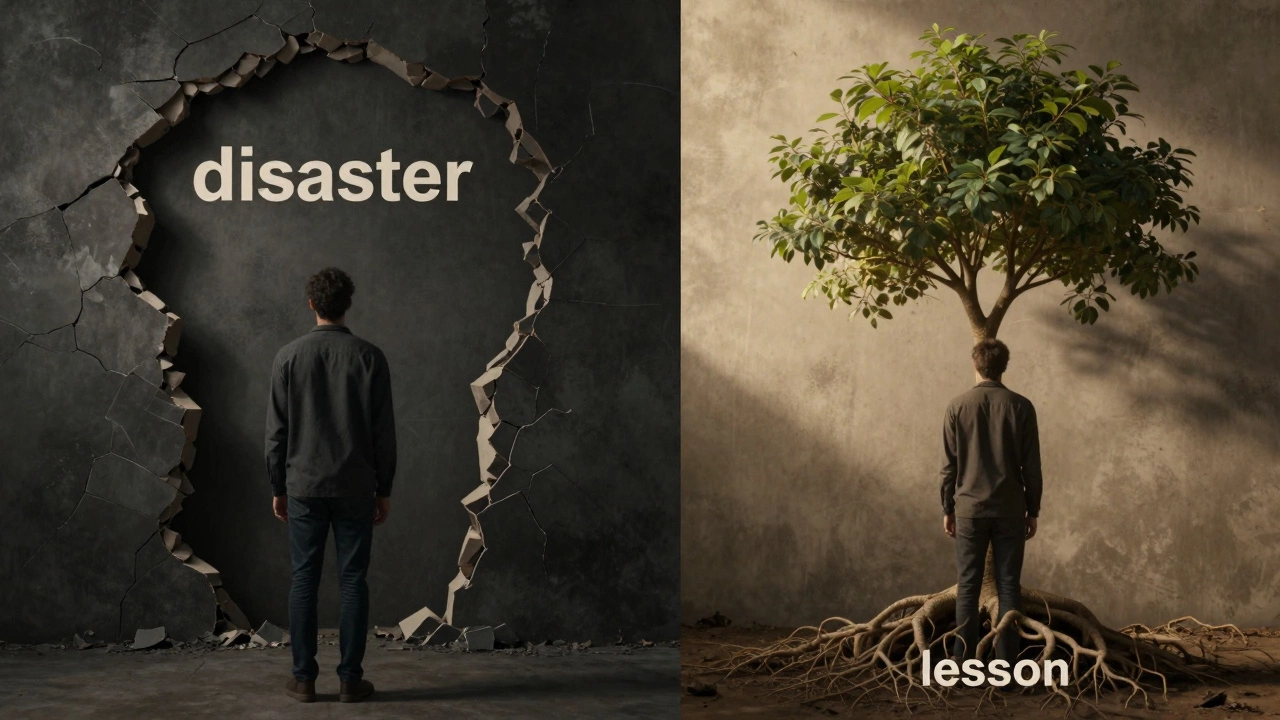
Ever notice how two people can face the same situation and react completely differently? One sees a setback as a disaster. The other sees it as a lesson. That difference isn’t luck. It’s not even personality. It’s their mindset.
What a Mindset Actually Is
A mindset isn’t just what you think. It’s how you think. It’s the automatic filter your brain uses to interpret everything - from a harsh comment at work to a missed train. Think of it like software running in the background. You don’t see it, but it controls how you respond.
People often confuse mindset with mood. Mood changes by the hour. Mindset sticks around for years. Your mindset when you were 12, shaped by your parents’ words, your teacher’s feedback, or a single failure, can still be influencing your choices today. It’s not about being positive or negative. It’s about the hidden rules you’ve built for yourself.
The Three Hidden Layers of Mindset
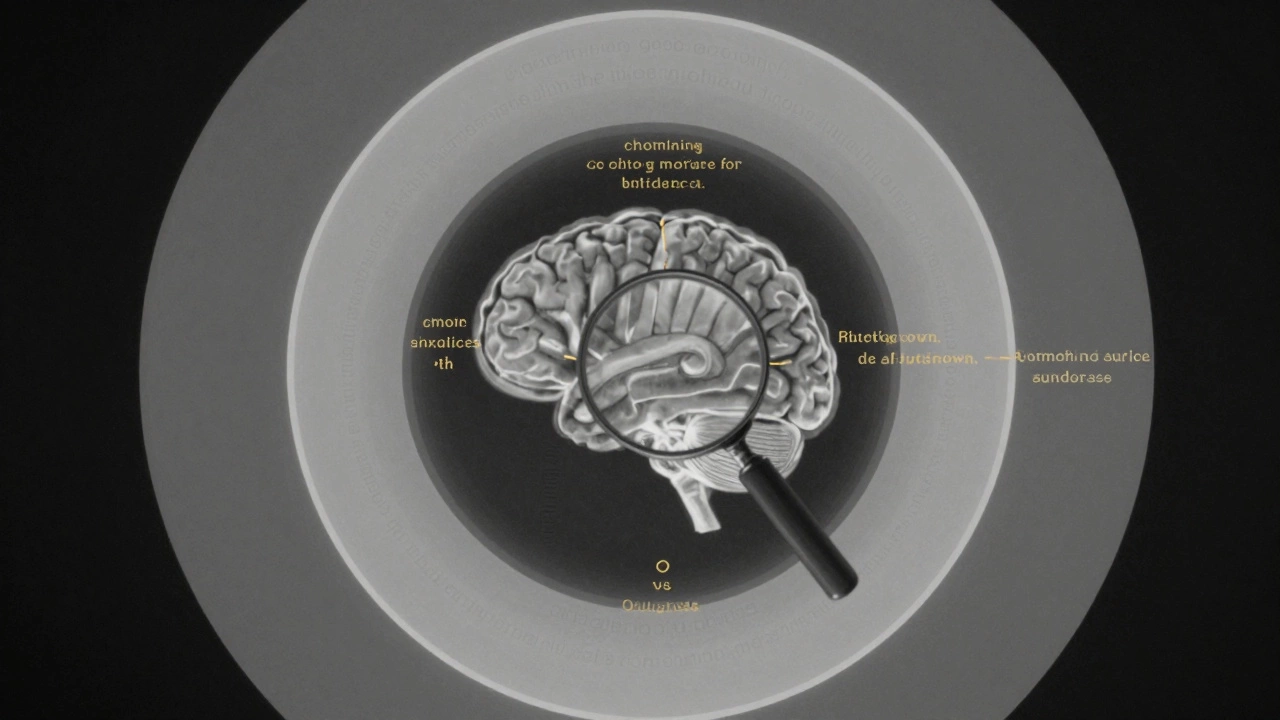
Most people think mindset is about attitude. But it’s deeper. There are three layers:
- Core Beliefs - The deep, often unconscious assumptions you hold about yourself, others, and the world. For example: "I’m not good enough," or "Hard work always pays off."
- Pattern Recognition - Your brain’s habit of scanning for certain kinds of evidence. Someone with a fixed mindset notices mistakes. Someone with a growth mindset notices progress.
- Behavioral Triggers - The automatic reactions that follow. A criticism doesn’t just make you feel bad - it makes you shut down, argue, or quit. That’s your mindset in motion.
These layers stack on top of each other. A core belief shapes what you notice. What you notice shapes how you act. And over time, those actions become identity. "I’m the kind of person who gives up when things get hard." That’s not a choice. It’s a pattern.
Where Mindsets Come From
Not from motivational quotes. Not from books you read once. They’re built in the quiet moments - the ones you don’t remember.
Childhood is the biggest builder. A parent who says, "You’re so smart," creates a mindset tied to approval. A parent who says, "I’m proud of how hard you tried," builds resilience. Teachers, coaches, friends - each adds a brick.
But it doesn’t stop at 18. Every time you’re told you’re "not cut out" for something - whether it’s math, relationships, or public speaking - that message gets stored. Every time you succeed after failing, that becomes a new data point. Your mindset isn’t fixed. It’s a living record of your experiences.
One study from the University of Chicago followed 200 adults over five years. They found that people who changed their mindset about failure didn’t do it through affirmations. They did it after experiencing a single moment of unexpected success - a small win that contradicted their old belief. That’s all it took. One moment. One new memory.
How Environment Shapes Your Mindset
Where you live, who you spend time with, and what you consume every day are quietly reshaping your mindset - whether you realize it or not.
Scrolling through social media feeds filled with perfection creates a mindset of inadequacy. Working in a place where mistakes are punished creates a mindset of fear. Surrounding yourself with people who say, "That’s just how I am," reinforces a fixed mindset.
Conversely, environments that encourage curiosity, tolerate failure, and reward effort - even if it doesn’t lead to results - slowly rewire how you think. A team that celebrates learning over winning. A home where questions are valued more than answers. A community that talks openly about setbacks.
It’s not about changing your thoughts. It’s about changing the environment that feeds those thoughts.
Breaking Old Patterns
Most advice says: "Just think differently." But you can’t think your way out of a mindset built over years. You have to act your way in.
Start small. Pick one area where you feel stuck - maybe you avoid challenges, or you shut down when criticized. Then, do one thing that contradicts your old pattern.
- If you believe you’re bad at public speaking, volunteer to say one sentence in a meeting.
- If you think you’re not a "math person," solve one problem that used to scare you.
- If you assume relationships are too hard, ask someone how their day went - really listen.
Don’t wait to feel confident. Do it before you feel ready. Each time you do, you’re not just changing behavior. You’re adding a new memory to your brain’s database. That’s how mindsets shift.

Why Some People Never Change
Not because they’re lazy. Not because they’re broken. Because they’re not aware of the rules they’re following.
One man I knew in Leeds - let’s call him Dave - kept saying, "I’m just not a morning person." He’d wake up at noon, skip breakfast, and complain about his energy. He’d read articles about productivity, but never tried waking up 15 minutes earlier. Why? Because he believed it was a fixed trait. "It’s just who I am."
He didn’t need more motivation. He needed to notice his own story. One day, he asked himself: "When was the last time I felt truly energized?" He remembered: hiking with his daughter on a Sunday morning. He’d been up at 7, no coffee, just walking. He felt alive.
That memory didn’t change his schedule. But it cracked his belief. He started waking up 15 minutes earlier - not to be productive, but to walk around the block. Within six weeks, he was up at 6:30. Not because he changed his mind. Because he changed his experience.
What You Can Do Today
You don’t need a life overhaul. You need one small interruption.
Right now, pause. Think of one thing you believe about yourself that limits you. "I’m not good at money." "I can’t handle stress." "I’m too old to learn." Write it down.
Now, ask: "When did I first believe this?" Was it a comment? A grade? A failure? A comparison?
Then, find one tiny action that proves it wrong. Not big. Not perfect. Just enough to create a new memory.
That’s how mindsets change. Not through inspiration. Through evidence. One small, real experience at a time.