Minimalist Packing Calculator
Enter your trip details below to generate a tailored capsule wardrobe and packing strategy designed for UK travel constraints.
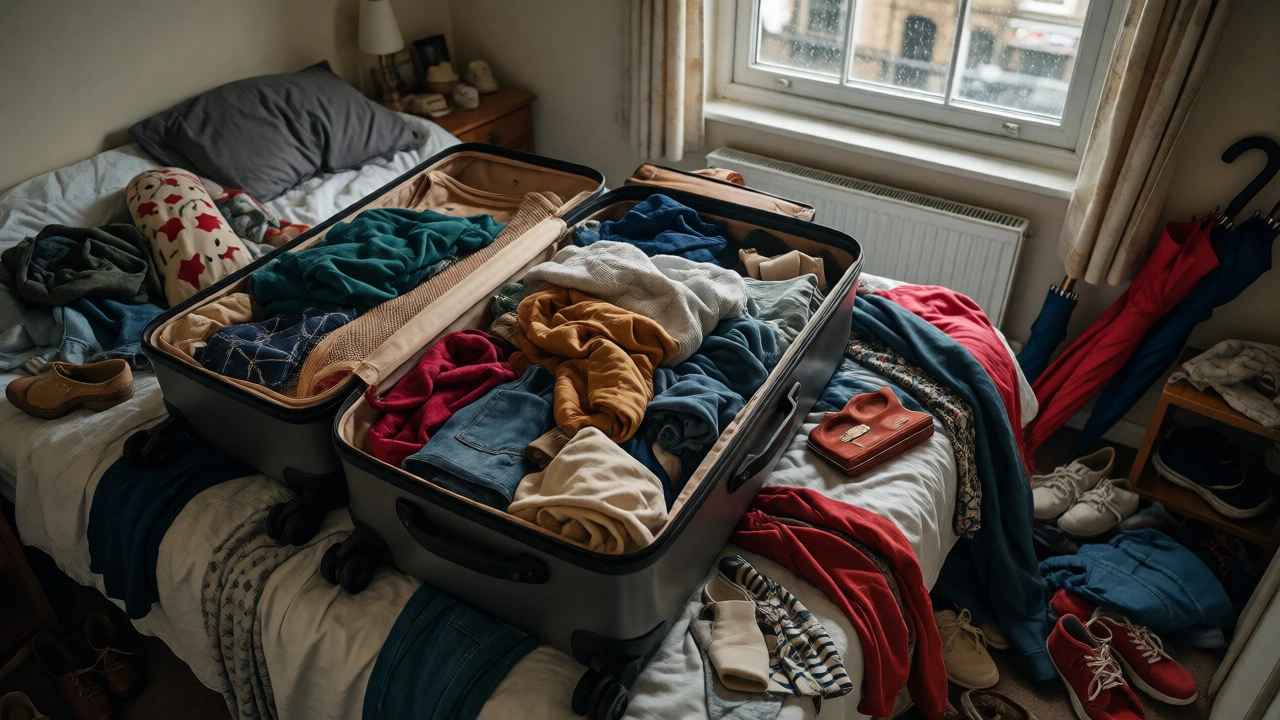
Ever stood at your front door in Leeds, staring at a suitcase that looks like it might burst its seams before you’ve even reached the airport? You’re not alone. Most of us pack for the worst-case scenario-three days of rain, two unexpected parties, and a sudden hike in the Lake District. But here’s the truth: you don’t need all that. Minimalist packing is a strategic approach to travel where you limit your belongings to only what is essential, versatile, and lightweight. It’s not about suffering through discomfort; it’s about freedom. For UK travellers dealing with strict airline baggage fees and narrow cobblestone streets, mastering this skill changes everything.
Think about the last time you dragged a heavy bag through London Paddington station. Your shoulders ached, you missed your train because you couldn’t lift your case onto the platform, and you spent half your holiday worrying about your luggage. Now imagine walking with just a sleek backpack or a small cabin-sized roller. No check-in lines. No lost bags. Just you and your trip. That’s the promise of minimalist travel. And no, you don’t have to wear the same dirty socks for a week. With a bit of planning, you can look sharp and feel light.
The Psychology Behind Overpacking
Why do we overpack? It’s usually fear. We’re afraid of being cold, underdressed, or unprepared. Psychologists call this "anticipatory anxiety." We project our current worries onto future scenarios that rarely happen. Do you really need three pairs of jeans for a four-day trip to Manchester? Probably not. If you spill coffee on one, you’ll likely find a laundry service or buy a cheap replacement from a local charity shop rather than suffer in damp denim.
UK weather adds another layer of complexity. One minute it’s sunny in Brighton, the next it’s pouring in Edinburgh. This unpredictability tempts us to pack for every season simultaneously. But modern fabrics solve this problem. Merino wool regulates temperature better than cotton. Synthetic blends dry faster than natural fibres. By choosing materials wisely, you reduce volume without sacrificing comfort. Stop packing for imaginary disasters. Start packing for the reality of your itinerary.
Building Your Capsule Wardrobe
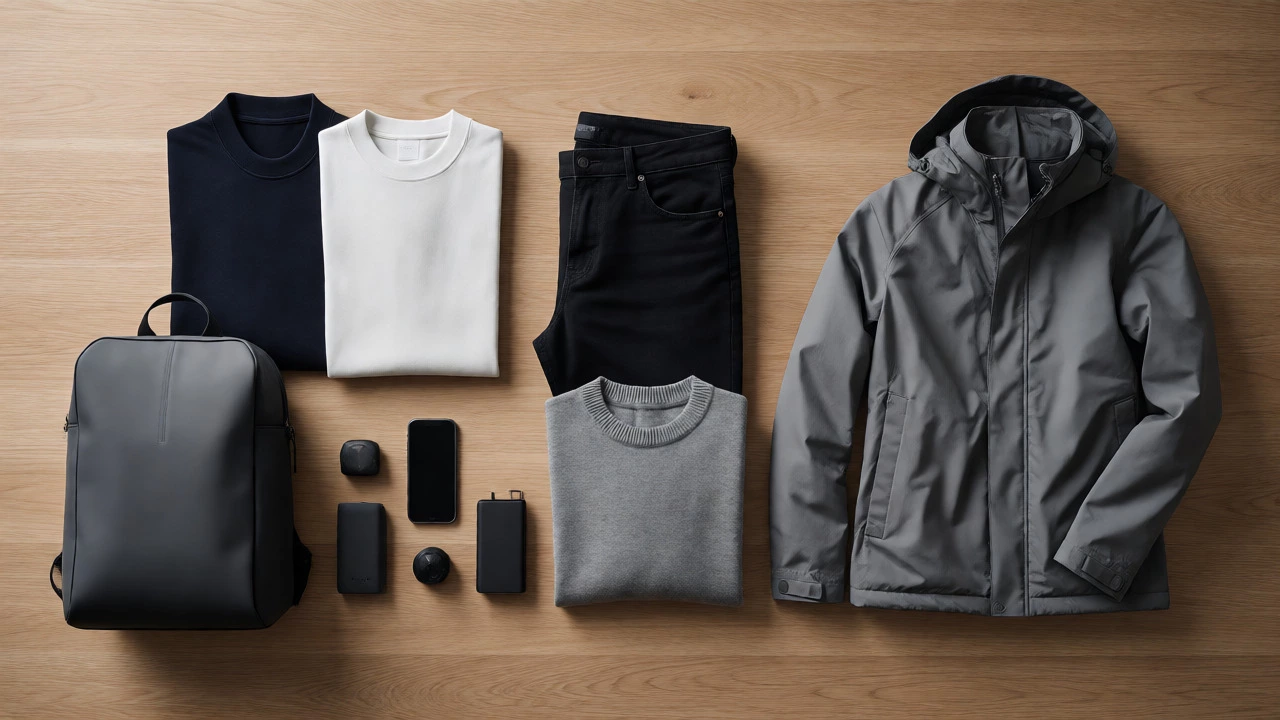
The core of minimalist packing is the capsule wardrobe. This is a curated collection of clothing items that mix and match effortlessly to create multiple outfits. For a typical UK break, you don’t need twenty pieces. You need five or six high-quality basics that work together seamlessly.
Start with a neutral colour palette. Black, navy, grey, white, and beige are your best friends. Why? Because any top goes with any bottom. A black t-shirt works with grey chinos, navy jeans, or a dark skirt. A white blouse pairs with everything. When you stick to neutrals, you eliminate decision fatigue and maximize outfit combinations.
Here’s a practical example for a five-day trip:
- Tops: Two long-sleeve shirts (one merino, one synthetic), two t-shirts, one sweater.
- Bottoms: One pair of dark jeans, one pair of comfortable trousers or leggings.
- Outerwear: One waterproof jacket (essential for the UK) and one lightweight puffer if you’re going north.
- Shoes: One pair of stylish but comfortable walking shoes, one pair of flip-flops or sandals for hotel use.
- Undergarments: Five sets of underwear and socks (or plan to wash them mid-trip).
This setup gives you over ten distinct outfit options. Notice I didn’t include a suit or heels. Unless you have a specific event, leave formal wear at home. If you must attend a wedding, consider renting locally or buying second-hand upon arrival. It’s cheaper and saves space.
Luggage Choices Matter
Your choice of bag dictates how much you can pack. In the UK, budget airlines like Ryanair and easyJet have notoriously strict carry-on limits. As of 2026, many still restrict free cabin bags to under-seat dimensions only. If you want overhead locker access, you often pay extra. Therefore, choose your luggage carefully.
| Luggage Type | Best For | Pros | Cons |
|---|---|---|---|
| Backpack (35-40L) | City breaks, hostels, active trips | Hands-free, fits most under-seat limits, durable | Can wrinkle clothes, hard to organize without packing cubes |
| Cabin Trolley (40x20x25cm) | Air travel, business trips | Wheels make it easy, keeps clothes flat | Bulkier, expensive if overweight, wheels can break |
| Duffel Bag | Weekend getaways, car travel | Flexible shape, easy to stuff into tight spaces | No structure, clothes get crushed, hard to carry long distances |
For most UK city breaks, a high-quality backpack wins. Brands like Osprey, Patagonia, or even Decathlon offer affordable options that fit under seats on trains and planes. Look for features like laptop sleeves, water bottle pockets, and compression straps. These details help you stay organized without adding weight.
Toiletries and Tech Essentials
Toiletries are the silent killers of minimalist packing. Full-size shampoo bottles weigh nothing until you add five of them. Switch to solid bars for shampoo, conditioner, and soap. They last longer, don’t leak, and bypass liquid restrictions. Use multi-purpose products: a moisturizer with SPF, a lip balm that doubles as cheek tint, and a toothbrush with replaceable heads.
Consider using refillable silicone containers filled from larger bottles at home. Or better yet, buy toiletries at your destination. Supermarkets in the UK sell decent basics for a few pounds. Why haul a £15 face cream across the country when you can buy a similar product locally?
Tech gear requires careful selection too. Do you need your laptop, tablet, e-reader, camera, and phone charger? Probably not. A smartphone handles maps, payments, photos, and reading. If you must bring a laptop, ensure it’s lightweight. Invest in a universal power bank with USB-C ports. One cable to charge your phone, watch, and headphones simplifies your life immensely. Remember, tech weighs more than fabric. Every gadget has a cost in grams.
Dealing with UK Weather and Laundry
The biggest objection to minimalist packing is hygiene. "I can’t go five days without clean clothes!" Yes, you can. Modern deodorants and breathable fabrics keep you fresh. But if you prefer cleanliness, embrace laundry. Many hotels and Airbnbs offer washing machines. Even if they don’t, laundrettes are common in UK cities. A quick 30-minute cycle costs less than a pint of beer.
Bring a small tube of travel detergent and a sink stopper. Washing socks and underwear in the shower takes ten minutes. Hang them up overnight, and they’re dry by morning. This strategy lets you pack fewer items while staying fresh. Plus, you’ll save money on laundry services.
Regarding weather, layering is key. Instead of packing one heavy coat, bring three thin layers: a base layer (merino tee), a mid-layer (fleece or light sweater), and an outer shell (waterproof jacket). You can adjust your warmth throughout the day. If it gets warm, strip off the mid-layer. If it rains, zip up the shell. This system adapts to changing conditions far better than bulky single garments.
Packing Techniques That Save Space
Once you’ve selected your items, how you pack them matters. Rolling clothes instead of folding them saves significant space and reduces wrinkles. Place rolled items vertically in your bag so you can see everything at once. This method also makes unpacking easier-you pull out exactly what you need without disturbing the rest.
Use packing cubes to separate categories: tops, bottoms, underwear, and tech. Compression sacks can shrink bulky items like sweaters or jackets, freeing up room for souvenirs. Don’t forget to utilize dead space. Stuff socks inside shoes. Fill empty corners with cables or chargers. Every cubic centimetre counts when you’re trying to fit everything into a carry-on.
Finally, adopt the "lay out and remove one item" rule. Lay everything you think you need on your bed. Then, take away one non-essential item. Repeat until you’re satisfied. You’ll be surprised how little you actually miss.
Is minimalist packing suitable for families with kids?
Yes, but it requires different strategies. Parents should focus on versatile clothing for children and rely heavily on laundry facilities. Packing toys selectively is crucial; choose items that serve multiple purposes or provide entertainment in various settings. Using diaper bags as personal carry-ons helps distribute weight among family members.
What is the ideal bag size for UK domestic flights?
Most UK budget airlines allow a small under-seat bag (typically around 40x20x25cm) for free. Larger cabin bags often incur extra fees. To avoid charges, aim for a backpack between 35 and 40 litres that compresses down to these dimensions. Always check specific airline policies before booking, as rules change frequently.
How do I handle dirty laundry on a short trip?
Pack a dedicated dirty laundry bag or use a reusable tote. Wash small items like socks and underwear in the hotel sink using travel detergent. For larger items, locate a nearby laundrette or ask your accommodation if they offer laundry services. Planning a mid-trip wash allows you to pack fewer clothes overall.
Do I really need to bring my own hairdryer?
Usually, no. Most UK hotels and guesthouses provide hairdryers. Check your accommodation listing beforehand. If you have specific styling needs, consider bringing a compact, dual-voltage model. Otherwise, skip it to save space and weight. Hairdryers are bulky and often unnecessary for short stays.
What if I encounter extreme weather?
Layering protects against most UK weather extremes. A waterproof outer shell and insulating mid-layers handle rain and cold effectively. If temperatures drop unexpectedly, purchase thermal layers locally or visit a charity shop. Being adaptable is part of the minimalist mindset; you don’t need to own every possible garment, just enough to manage standard conditions.